
Print and the Rival Don Quixote
Don QuixoteThis thread follows the appearance of a false sequel and the way its existence alters Don Quixote's final journey.
increasing Bearing strength in each event
 decreasing
Bearing strength in each eventdecreasingA Rival Volume Circulates
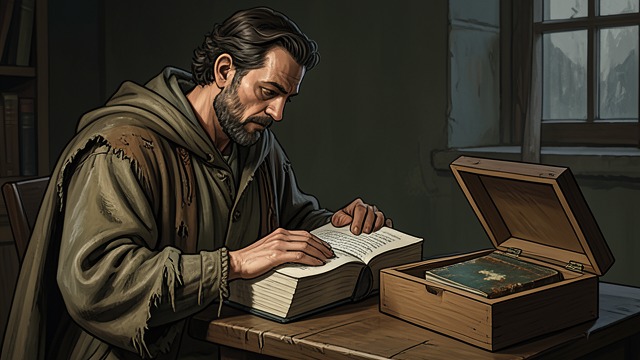
A Rival Volume Circulates
Printed appropriation
Don Quixote learns that a Second Part has appeared under Avellaneda's name. It presents an alternate version of the knight and his squire.
Reputation challenged
The false continuation threatens the authority of the story and the characters' identities. Don Quixote responds as though the book were a personal adversary.
Saragossa Rejected
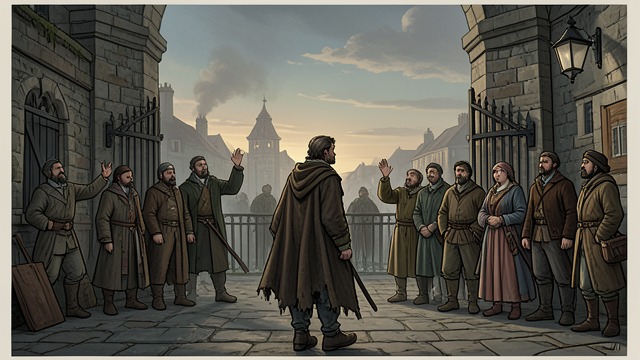
Saragossa Rejected
A changed destination
Don Quixote hears that the rival book places him in Saragossa. He chooses another route rather than confirm its account.
Identity defended
His decision makes publication influence events inside the novel. The real Don Quixote distinguishes himself from the counterfeit through action.
Don Álvaro’s Testimony
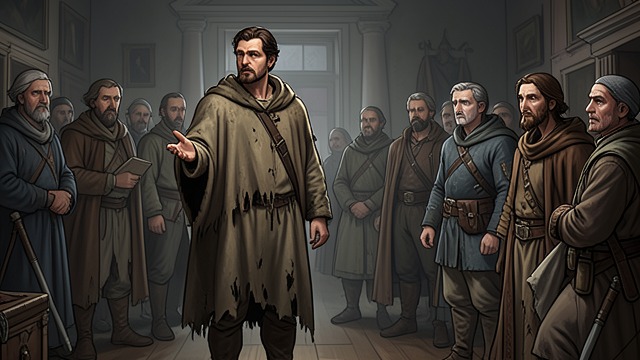
Don Álvaro’s Testimony
A reader encountered
Don Quixote meets Don Álvaro Tarfe, a character from the false sequel. He asks Tarfe to distinguish him from the book's counterfeit.
Difference made formal
Tarfe declares before an authority that this Don Quixote is not the one he knew. The episode turns a literary dispute into testimony within the fiction.
A Sealed Ending
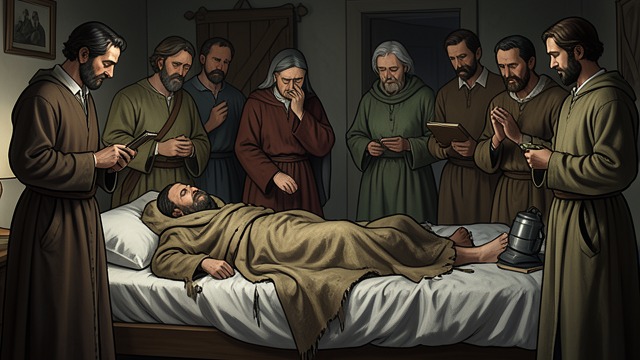
A Sealed Ending
The true history closes
The narrator records Don Quixote's recovery and death, explicitly denying future adventures. The ending resists further continuations.
Ownership of a character
By insisting that Don Quixote belongs to this account, the novel answers the rival sequel. Its finality is both narrative closure and authorial defense.
During Don Quixote’s third sally
After Carrasco reports the sequel
During the return journey
At the death of Don Quixote
