
The Limits of Chivalric Justice
Don QuixoteThis thread examines how Don Quixote's promise to help the vulnerable clashes with law, evidence, and the outcomes of intervention.
increasing Bearing strength in each event
 decreasing
Bearing strength in each eventdecreasingA Vow to Redress Wrongs
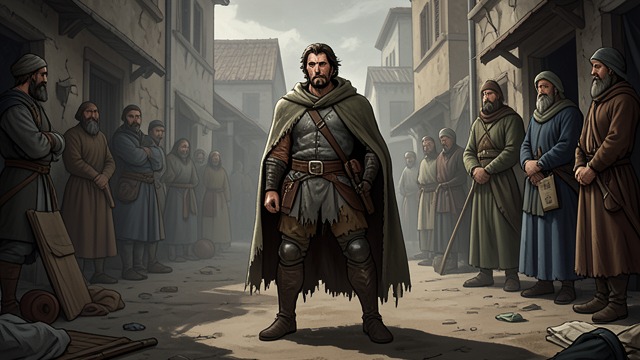
A Vow to Redress Wrongs
The knight's ideal
Don Quixote adopts the duty to defend the weak and correct injustice. His code gives him a moral purpose in an age he sees as corrupt.
Good intent, poor judgment
He often acts before understanding the facts. His ideal is sincere, but his methods can expose others to harm.
Andrés Is Beaten Again
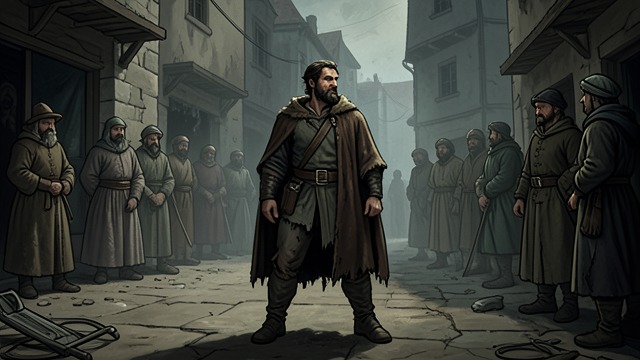
Andrés Is Beaten Again
Intervention at the oak
Don Quixote forces Juan Haldudo to promise wages and release Andrés. Believing justice has been done, he leaves the scene.
Harm worsens
Haldudo beats Andrés again after the knight departs. The failure shows that a command unsupported by continuing protection can deepen injustice.
The Galley Slaves Freed
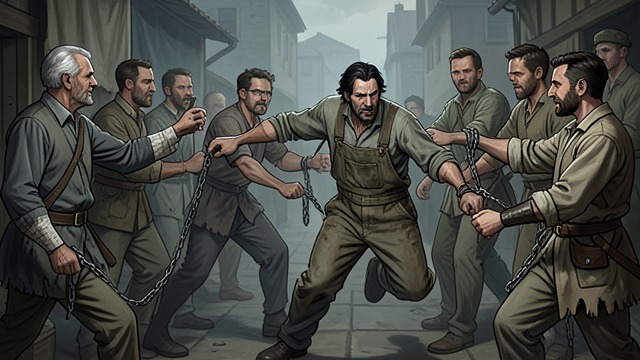
The Galley Slaves Freed
A choice against law
Don Quixote interprets the chained prisoners as people being forced against their will and attacks their guards. Sancho warns that they have been sentenced for crimes.
Freedom without gratitude
The released men scatter and assault their liberator when he demands they visit Dulcinea. The episode exposes the danger of confusing compassion with judgment.
A Procession Misread
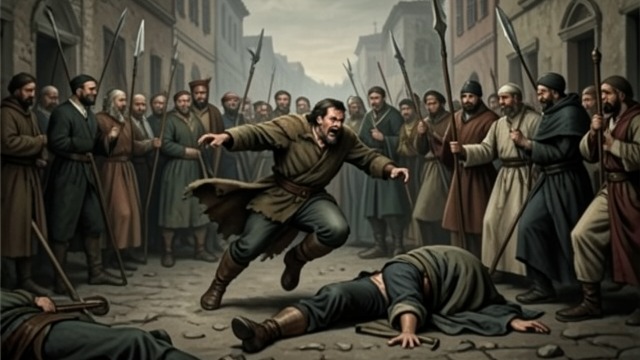
A Procession Misread
Apparitions imagined
Don Quixote mistakes a funeral procession for a supernatural crime and attacks the travelers. He acts on appearances rather than asking enough questions.
Consequences for bystanders
A cleric is injured, and Don Quixote is reminded that good intentions do not erase harm. His code cannot reliably distinguish victims from ordinary people.
Justice in Barataria
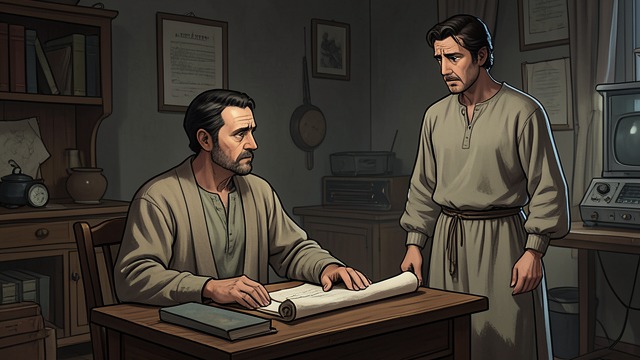
Justice in Barataria
A contrasting ruler
Sancho hears evidence and decides cases with practical judgment. His rulings offer a grounded contrast to Don Quixote's impulsive interventions.
Mercy and procedure
Sancho's conduct suggests that justice requires attention to circumstances as well as good intentions. His brief authority tests that lesson in practice.
At the beginning of Don Quixote's career
Early in the first sally
During the second sally
During the road through the night
During Sancho’s governorship
