
The Comedy of Names and Appearances
Don QuixoteThis thread follows how names, disguises, and mistaken identities shape the novel's comic reversals.
increasing Bearing strength in each event
 decreasing
Bearing strength in each eventdecreasingA Knight Names Himself
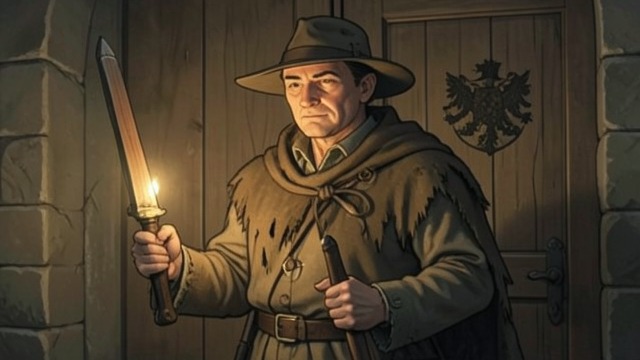
A Knight Names Himself
Reinvention by name
The hidalgo chooses Don Quixote of La Mancha, names Rocinante, and invents Dulcinea as his lady. Names turn commonplace identities into a chivalric cast.
Authority claimed
His new titles do not change his material status, but they change how he reads his role. The mismatch generates the novel's central comedy.
A Basin Named Helmet
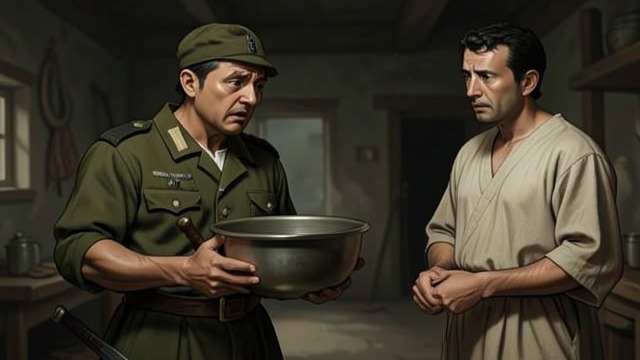
A Basin Named Helmet
Object mistaken
Don Quixote takes a barber's basin for Mambrino's helmet. Sancho recognizes the basin but learns that argument cannot dislodge the knight's conviction.
A name reshapes evidence
The disputed object becomes both comic prop and symbol of the gap between appearance and interpretation.
A Princess Becomes Dorothea
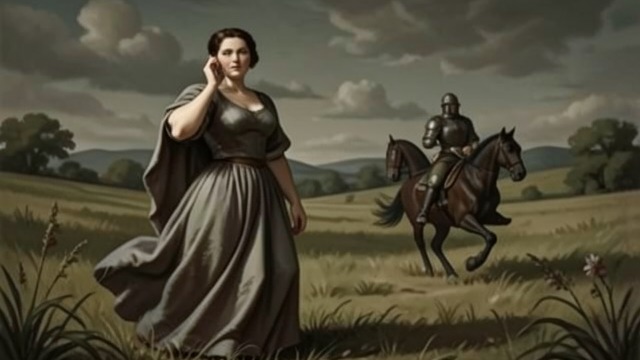
A Princess Becomes Dorothea
A role performed
Dorothea poses as Princess Micomicona to lead Don Quixote home. The performance succeeds because it speaks his imagined language.
Sancho follows the fiction
Sancho believes the princess's story because it promises his own advancement. A false identity becomes practical reality for the characters.
Two Knights of the Mirrors
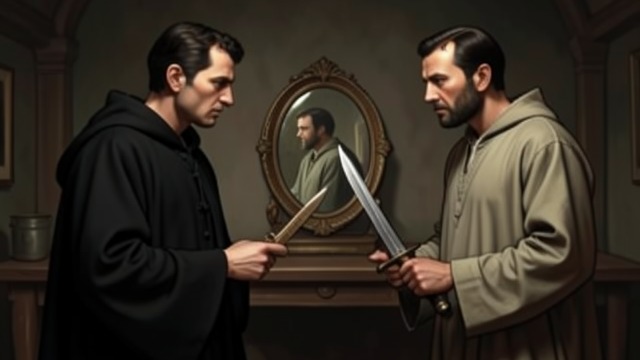
Two Knights of the Mirrors
A disguise exposed
The Knight of the Mirrors proves to be Samson Carrasco, while Don Quixote believes an enchanter has altered his opponent's appearance.
Reality fails to settle belief
Even direct recognition is absorbed into the knight's explanatory world. The disguise creates a comic conflict between what characters see and what they accept.
The Real and False Heroes
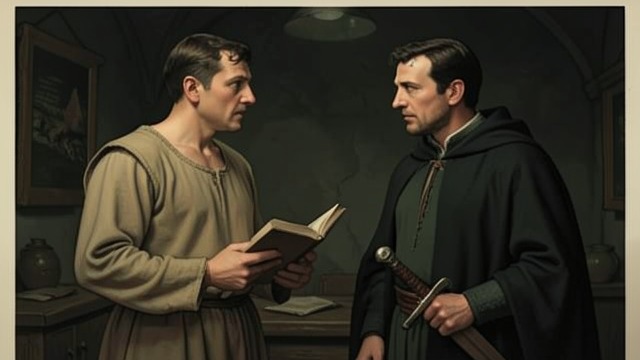
The Real and False Heroes
A reader meets the printed rival
Don Álvaro Tarfe encounters the true Don Quixote and distinguishes him from the counterfeit in the apocryphal book. Identity becomes a question of testimony.
Names reclaimed
The real Don Quixote insists that a borrowed name cannot replace his deeds. The novel turns mistaken identity into an argument about authorship.
Before the first sally
During the second sally
During the rescue from Sierra Morena
At the duel with the Knight of the Mirrors
During Don Quixote's final journey
