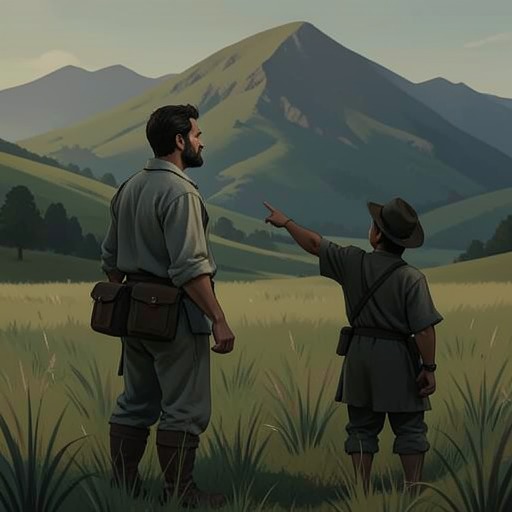
Sancho Panza's blanket tossing
Don QuixoteSancho Panza’s blanket tossing turns Don Quixote’s refusal to pay an inn bill into a comic reversal: the squire invokes the same chivalric privilege as his master, but without the protection that Don Quixote’s imagined rules seem to promise. Sancho is tossed by the inn’s guests while Don Quixote watches from outside, unable to intervene; when the episode ends, Sancho departs pleased with his refusal to pay, unaware that the innkeeper has kept his saddlebags in compensation.
Causes and Background
The episode begins with Don Quixote’s mistaken belief that the lodging is a castle. Once he recognizes it as an inn, the innkeeper insists on payment. Don Quixote argues that knights-errant owe nothing for lodging or other services at inns: in his understanding, hospitality is their lawful due in return for the hardships of their adventures. The innkeeper rejects that reasoning and demands his money. Don Quixote insults him, spurs Rocinante, and rides away before anyone can stop him, without checking whether Sancho is following.
The innkeeper then turns to Sancho for the outstanding payment. Sancho refuses, reasoning that the rule he believes applies to his master applies equally to a knight-errant’s squire. He presents his refusal as loyalty to an established privilege, even insisting that he would maintain it at the cost of his life. The comic disparity is already clear: Don Quixote’s departure leaves Sancho to defend an imaginary exemption in the very place where the bill is due.
The Tossing in the Inn Yard
Among the guests are four wool-carders from Segovia, three needle-makers from the Colt of Cordova, and two lodgers from Seville’s fair. They join together in a prank against Sancho. The inn’s ceiling is too low for what they intend, so they take him out into the yard and toss him in a blanket. The scene’s decisive contrast is between Sancho’s solemn appeal to the customs of chivalry and the guests’ treatment of the dispute as amusement.
Sancho’s cries carry far enough to reach Don Quixote, who has stopped some distance away. At first, Don Quixote takes the sound as a sign that another adventure is beginning. When he recognizes his squire’s voice, he turns back and rides to the inn. The gate is shut, so he circles the building and reaches the yard wall. From there he sees Sancho being tossed. Don Quixote is furious; the sight is so incongruous that the narrative also observes he might have laughed had anger not overcome him.
Don Quixote tries to climb from Rocinante onto the wall but cannot dismount. From his position on horseback he curses the guests, yet his protests do not interrupt the prank. Sancho’s cries alternate between appeals and threats, also without effect. The guests stop only when they are tired, then return Sancho’s ass and jacket to him. Don Quixote’s return therefore changes nothing about the immediate outcome: his concern is evident, but he cannot translate it into rescue.
Aftermath and Consequences
After the tossing, Maritornes offers Sancho water drawn from the well. Don Quixote calls to him not to drink it and offers the balsam he carries, claiming that a small amount would restore him. Sancho rejects the offer, pointing out that he is not a knight and does not want to suffer the vomiting he associates with the remedy. He takes a first sip of the water, recognizes what it is, and asks Maritornes for wine instead. She brings it willingly and pays for it herself.
When he has finished drinking, Sancho mounts his ass and leaves through the open gate, satisfied that he has paid nothing and upheld his position. That apparent success is qualified: the innkeeper has retained Sancho’s saddlebags against the debt, but Sancho departs in such a hurry that he does not notice their absence. The episode thus separates the claim of privilege from its material result: Sancho escapes a cash payment, but the innkeeper still obtains property in return.
The guests refuse the innkeeper’s attempt to close the gate after Sancho has gone. The narrator stresses that they would not have been impressed by Don Quixote even if he had truly belonged to the Knights of the Round Table. The ending leaves the chivalric code exposed to the practical force of the inn’s occupants: Don Quixote’s belief has carried him away, while Sancho’s version of it has left him at the mercy of others and cost him his bags.
Narrative Significance
The episode draws its comedy from the mismatch between Don Quixote’s elaborate account of a knight’s entitlement and the innkeeper’s uncomplicated demand for payment. Sancho adopts his master’s rule as a squire’s own, turning the master’s fantasy into a defense for refusing the bill. But once Don Quixote has ridden off, the rule offers Sancho no effective protection. The blanket tossing makes that gap between imagined authority and actual power visible without settling the debt: Sancho leaves, the innkeeper keeps the saddlebags, and the inn’s guests remain unmoved by the prestige of knight-errantry.
The scene also gives Don Quixote and Sancho contrasting positions within the same comic predicament. Don Quixote leaves first under the illusion that his obligation does not exist; hearing Sancho’s cries brings him back, but only as an angry and helpless witness. Sancho, meanwhile, refuses payment, endures the guests’ prank, accepts help from Maritornes, and rides away believing he has carried his point. His unnoticed loss of the saddlebags supplies the final reversal: the victory is real only in the narrow sense that no money changes hands.