The Arabic-manuscript narrative frame
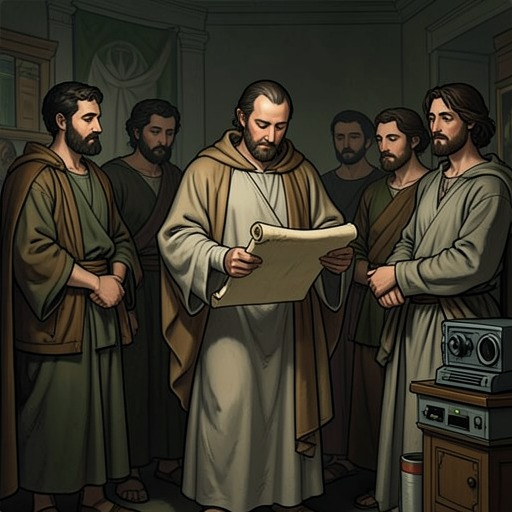
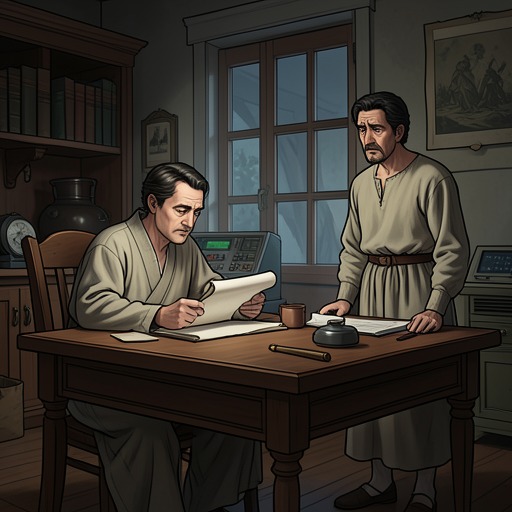
Don QuixoteThe Arabic-manuscript narrative frame is an invented source structure that helps turn Don Quixote from a comic tale of a would-be knight into a burlesque of chivalric romance. By attributing the account to Cide Hamete Benengeli and presenting it as derived from a mysterious Arabic manuscript, Cervantes borrows a familiar romance convention while making that convention part of the book’s parody.
Before the Frame
The story was initially written without chapter divisions and without the intervention of Cide Hamete Benengeli. Cervantes appears to have begun with a comparatively modest design: a short tale about the ludicrous consequences of a mad gentleman attempting to live as a knight-errant in the modern world. At this early stage, the narrative did not yet depend on a concealed historian or an Arabic manuscript to mediate its events.
The Change in Design
The examination of Don Quixote’s library and the ensuing discussion of books of chivalry helped suggest a larger possibility: the comic tale could become a burlesque of those books, caricaturing their style, incidents, and spirit. As part of this change, Cervantes divided the existing narrative into chapters, modeling them on Amadis of Gaul, and invented the fable of a mysterious Arabic manuscript. Cide Hamete Benengeli was introduced as its supposed source, rather than as part of the story’s initial conception.
Parody and Narrative Authority
The frame imitates chivalric romances’ fondness for tracing their narratives to recondite sources. Its authority is therefore deliberately double-edged: the manuscript and historian lend the account the appearance of a recovered history, while their invention places the romance convention itself on display. The device does not simply supply a source for the adventures; it makes the way romances claim to transmit stories part of the book’s burlesque.