
The God-Moses Relationship
Don't Leave God Alone: How to Get God's Attention, Remain in His Presence, and Even Change His Mind to Make a Difference in Your WorldThis flow traces the relationship between divine judgment, covenant memory, and Moses’s bold intercession.
increasing Bearing strength in each event
 decreasing
Bearing strength in each eventdecreasingFace-to-Face Fellowship
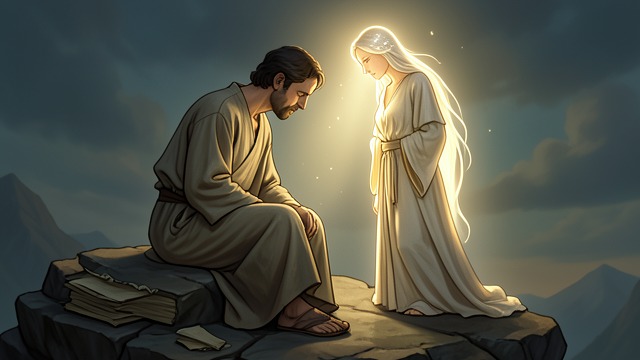
Face-to-Face Fellowship
Moses is described as speaking with God face to face, as one speaks with a friend.
Relational Access
The image grounds Moses’s later boldness in intimacy rather than presumption. He can argue because he has listened and remained near.
Friendship Under Pressure
The relationship prepares him to stay present when God’s anger makes withdrawal seem safer.
The Divine Anger

The Divine Anger
God’s anger over the Israelites’ idolatry creates a rupture in the established relationship between God, Moses, and the people.
A Threatened Covenant
The people have credited the Golden calf with the deliverance that belonged to God, making the offense both moral and relational.
The Space for Advocacy
God’s command to leave Him alone becomes the moment when Moses’s friendship must become advocacy.
Moses Pleads Mercy
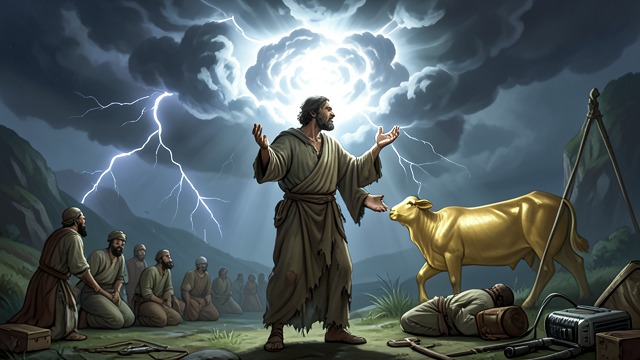
Moses Pleads Mercy
Moses refuses to accept the apparent finality of judgment and argues from covenant, reputation, and promised descendants.
A Bold Appeal
He does not excuse the Golden calf apostasy. He asks God to remember the larger story and the nations watching Israel’s fate.
Relationship as Intercession
His knowledge of God’s character gives him courage to remain in the conversation until mercy prevails.
The Changed Outcome
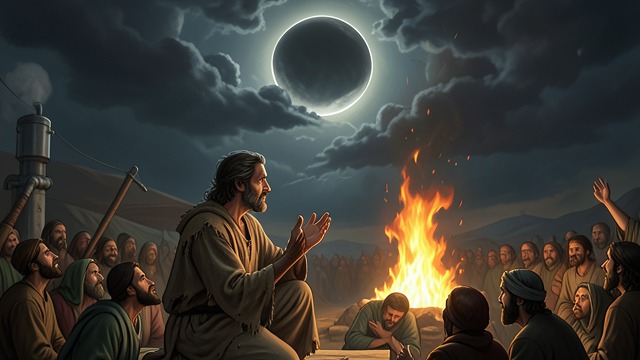
The Changed Outcome
God relents from the threatened harm, and the Israelites survive the crisis.
Mercy within Justice
The book presents the reversal as a meaningful response to Moses’s persistence rather than as an arbitrary change.
A Relationship Proven
Moses’s closeness to God has become national protection. Friendship carries responsibility for those who cannot defend themselves.
The Intercessor’s Model
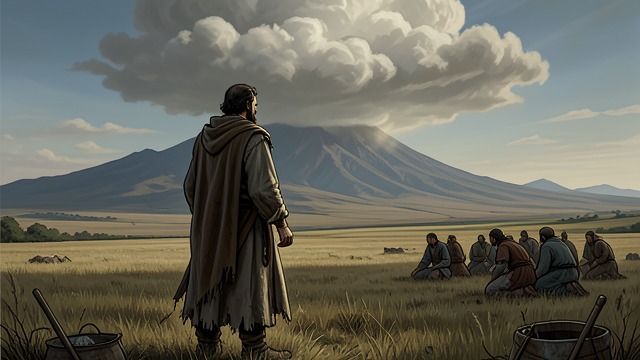
The Intercessor’s Model
Moses becomes the book’s enduring image of a person who will not retreat when others face judgment.
More Than Private Blessing
His prayer is directed toward a people who have acted against God. Intercession is therefore costly solidarity.
A Pattern for Readers
The narrative invites believers to carry the same relational confidence into family, city, and national prayer.
during Moses’s established leadership
during the Golden calf apostasy
immediately after God says to leave Him alone
at the conclusion of Moses’s intercession
near the end of the Moses discussion
