
The Conflict of Spiritual Bondage
Don't Leave God Alone: How to Get God's Attention, Remain in His Presence, and Even Change His Mind to Make a Difference in Your WorldThis flow traces bondage from subtle compromise into entrenched captivity and finally toward freedom through worship and repentance.
increasing Bearing strength in each event
 decreasing
Bearing strength in each eventdecreasingThe First Compromise

The First Compromise
Samson begins to test the boundaries of his consecration through choices that appear manageable.
Conviction Ignored
The danger lies in the repeated refusal to respond to early warning.
A Direction Established
The book describes bondage as a road. A person may still feel strong while already traveling toward captivity.
The Prison Spirits
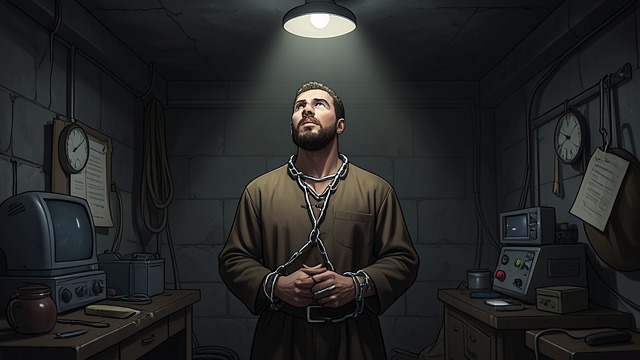
The Prison Spirits
The book uses Peter’s chains as a metaphor for hidden and outward forms of spiritual captivity.
Two Kinds of Chains
Some bonds are visible to others; others operate internally through sin, shame, or entrenched thought.
Assigned Captivity
The imagery of jailers emphasizes that bondage seeks to preserve itself. Freedom requires deliberate resistance rather than passive hope.
Worship at Midnight
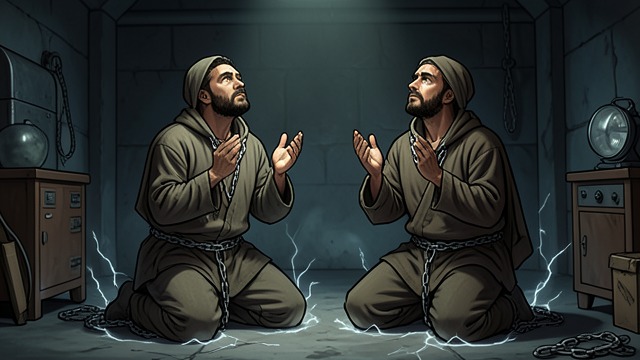
Worship at Midnight
Paul and Silas refuse to let physical imprisonment dictate their spiritual posture.
Praise Against Shame
Their worship places God above their pain, public humiliation, and lack of immediate escape.
Chains Broken
The earthquake dramatizes a liberation that begins internally before becoming physical. Worship is presented as a means of refusing captivity’s authority.
The Choice of Tomorrow
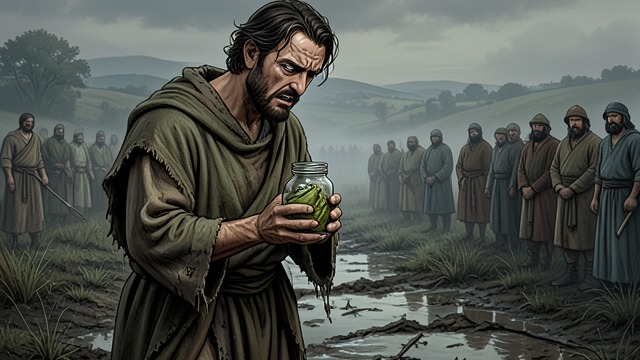
The Choice of Tomorrow
Pharaoh delays freedom by asking for another day with the frogs.
Familiar Pain
He prefers postponed discomfort to immediate transformation, revealing the emotional attachment often hidden inside bondage.
A Warning to the Bound
The book applies the choice to private sin and destructive relationships. Delay becomes a collaborator of oppression.
Freedom’s Six Principles
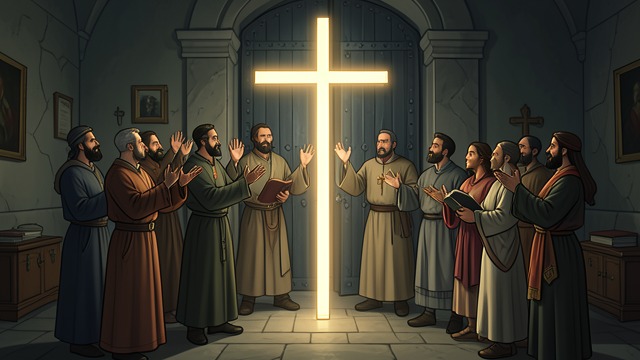
Freedom’s Six Principles
The book gathers practical directions for deliverance: refuse isolation, use Scripture and Jesus Christ’s name, believe freedom is possible, stand firm, refuse to quit, and remain connected to an anointed church.
A Structured Escape
Deliverance is not reduced to a dramatic moment. It requires language, community, conviction, and sustained resistance.
Freedom Maintained
The final concern is not only leaving bondage but refusing to feed it again through choices that restore its power.
during Samson’s early adult choices
during the discussion of Peter’s imprisonment
during Paul and Silas’s darkest prison hour
during Pharaoh’s response to the frog plague
near the conclusion of the deliverance teaching
