
The Theology of Presence
Don't Leave God Alone: How to Get God's Attention, Remain in His Presence, and Even Change His Mind to Make a Difference in Your WorldThis flow traces the book’s interpretation of God’s presence as the source, measure, and reward of prayerful life.
increasing Bearing strength in each event
 decreasing
Bearing strength in each eventdecreasingGod’s Desire for Company

God’s Desire for Company
The book interprets humanity’s creation as an answer to God’s desire for fellowship with beings made in His image.
More Than Function
People are not created merely to perform tasks. They are created to relate, speak, and remain present.
The Human Mirror
Adam’s need for companionship is presented as reflecting a deeper divine longing for relationship.
The Empty Prayer Room

The Empty Prayer Room
Hank is about to leave prayer when he senses that God does not want the time to end.
Presence Felt Personally
The divine invitation makes God’s desire emotionally immediate rather than abstract.
Fellowship Revalued
Prayer becomes the place where God’s own interest is encountered. The believer is not merely requesting benefits but answering a relationship.
The House Reclaimed
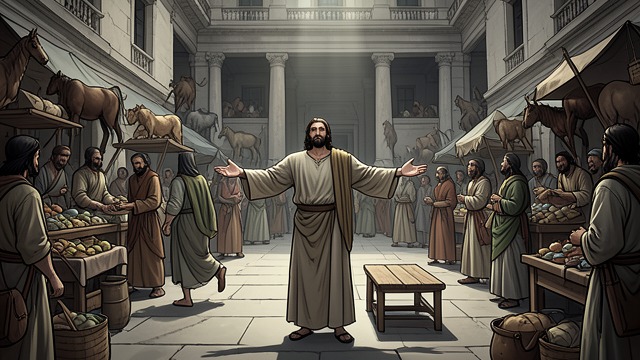
The House Reclaimed
Jesus Christ cleanses the Temple because a house intended for prayer has become a den of thieves.
Substitution Exposed
Commerce and human activity have displaced the purpose God named for His house.
Presence Restored
The cleansing is treated as a demand that prayer regain centrality. Programs are not condemned, but they cannot replace communion.
Private and Public Power
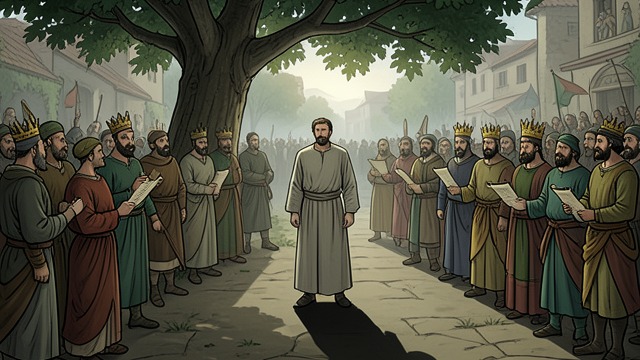
Private and Public Power
Jesus Christ’s solitary prayer is repeatedly followed by healing, deliverance, and public authority.
Hidden Source
The book rejects the idea that public power can be manufactured through appearance, volume, or ritual alone.
Open Reward
What is pursued secretly becomes visible in ministry. Presence is therefore the source behind public effectiveness.
The Final Invitation

The Final Invitation
The book closes by inviting readers into an intentional relationship with Jesus Christ.
A New Beginning
The prayer of commitment frames conversion as a decision to pursue God and not retreat from Him.
Presence as Destiny
The promised future is not only blessing or deliverance but eternal fellowship. The entire argument returns to the desire that God and humanity remain together.
during the opening creation reflection
during Hank’s first personal encounter
during the cleansing of the Temple discussion
during the teaching on Jesus Christ’s prayer life
at the end of the book
