
The Theology of Mercy
Don't Leave God Alone: How to Get God's Attention, Remain in His Presence, and Even Change His Mind to Make a Difference in Your WorldThis flow traces how the book holds together judgment, covenant justice, human failure, and the persistent availability of mercy.
increasing Bearing strength in each event
 decreasing
Bearing strength in each eventdecreasingJustice at the Calf
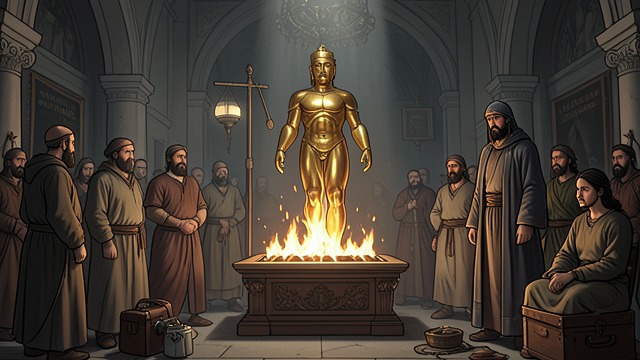
Justice at the Calf
The Israelites’ worship of the Golden calf provokes justified anger because they attribute deliverance to an idol.
Sin Named Clearly
The book does not minimize idolatry or pretend that covenant betrayal has no consequence.
Mercy Still Possible
The severity of judgment creates the setting in which intercession can display mercy without denying justice.
Moses Appeals to Covenant

Moses Appeals to Covenant
Moses argues that God’s promises to the ancestors and reputation among the nations provide a reason to spare Israel.
A Legal and Relational Appeal
His prayer sounds like advocacy before a judge who is also a covenant partner.
Mercy with Grounds
The book portrays mercy not as sentimental indulgence but as an outcome supported by God’s own character and commitments.
Abraham’s Negotiation

Abraham’s Negotiation
Abraham asks whether the righteous can be spared with the wicked in Sodom and Gomorrah.
The Judge Questioned
His appeal rests on the conviction that the Judge of all the earth must act justly.
Mercy Counted
Each reduced number reveals both boldness and reluctance. The conversation shows that mercy can be sought even where judgment appears deserved.
The Nineveh Exception
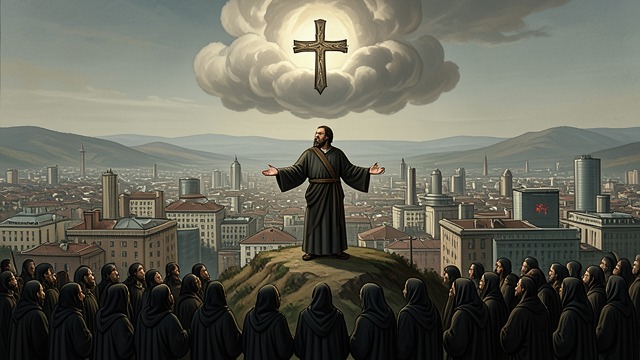
The Nineveh Exception
Nineveh receives a warning of destruction and responds in a way that allows mercy to interrupt judgment.
Repentance as Response
The city’s change demonstrates that threatened judgment is not always the final word.
A Prophetic Burden
Jonah’s mission becomes evidence that God may send warning precisely because He desires to spare.
Mercy Through Jesus Christ

Mercy Through Jesus Christ
The final invitation grounds forgiveness and restored access in Jesus Christ rather than human performance.
Failure Is Not Final
Readers are told to run toward God after sin instead of hiding behind fig leaves.
Mercy Made Personal
The cross transforms the book’s national and biblical examples into an immediate promise: repentance can reopen fellowship.
during the Golden calf apostasy
during Moses’s intercession
during Abraham’s conversation with God
during Jonah’s mission to Nineveh
near the book’s final appeal
