
Intercessors Against Destruction
Don't Leave God Alone: How to Get God's Attention, Remain in His Presence, and Even Change His Mind to Make a Difference in Your WorldThis flow examines prayer as a force that confronts judgment, violence, danger, and national decline.
increasing Bearing strength in each event
 decreasing
Bearing strength in each eventdecreasingThe Cry for Israel
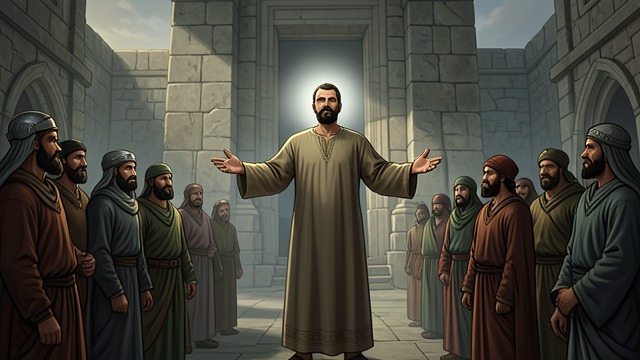
The Cry for Israel
Moses stands between God’s anger and the Israelites after their idolatry.
Covenant Memory
His appeal does not deny the sin. Instead, he invokes God’s reputation, promises, and relationship with the ancestors.
National Survival
The threatened nation survives because one intercessor supplies a reason for mercy. Moses becomes the prototype of the covenant advocate.
The Louder Righteous Cry

The Louder Righteous Cry
Hank interprets violence, profanity, corruption, and fear as public cries that require a louder righteous response.
Competing Voices
Silence allows destructive conditions to define a city’s spiritual atmosphere. Prayer becomes an act of resistance rather than private consolation.
Civic Intercession
The proposed answer is sustained prayer for families, churches, cities, and nations. The righteous cry is expected to challenge the sound of evil.
Storms Over Florida
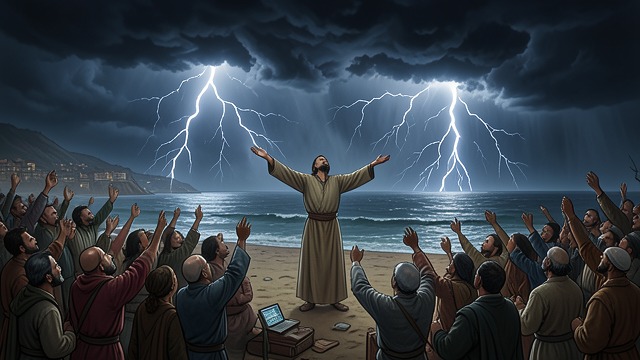
Storms Over Florida
Hank connects prophetic warnings about hurricanes with the intensity and persistence of collective prayer.
First Failure
An initial prayer effort does not prevent the expected storms, suggesting that the community’s response has not yet reached the needed determination.
A Changed Outcome
A later, more fervent campaign is followed by a storm that does not strike Florida. The account makes communal persistence the decisive narrative force.
The National Reprieve
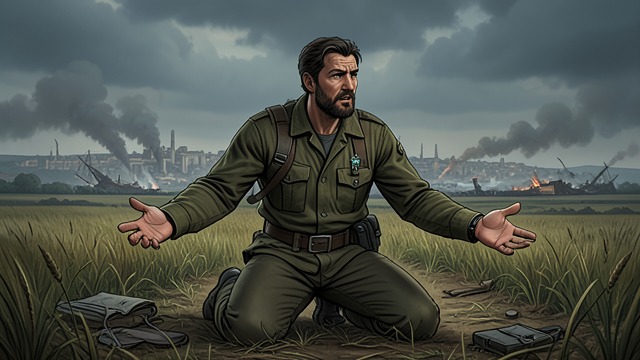
The National Reprieve
Hank describes an intense prayer encounter in which he believes God promises the United States another opportunity.
A Burden for the Nation
He prays from a position of fear and urgency, treating national decline as a matter requiring spiritual intervention.
A Prophetic Hope
The message rejects premature surrender and frames national mercy as unfinished work. The nation’s future is tied to people willing to keep praying.
The Military Prayer Cover
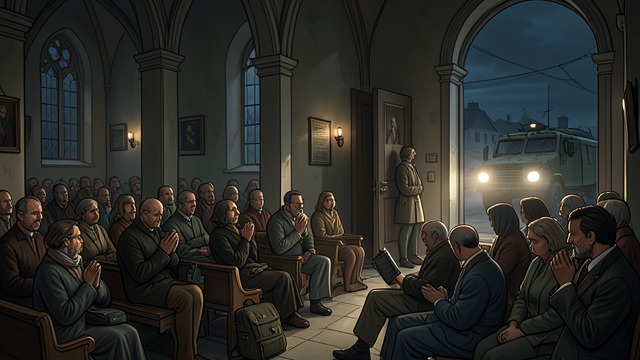
The Military Prayer Cover
Hank reads changing public attention to war through the lens of changing prayer coverage.
Initial Dependence
After the September 11 attacks, churches fill and people openly seek God amid national shock.
Fading Vigilance
As urgency declines, Hank argues that prayer support also weakens. The story presents sustained intercession as protection that must not disappear when public attention moves on.
after the Golden calf apostasy
during Hank’s discussion of civic corruption
during Hank’s 2004 and 2005 conference accounts
during Hank’s prayer for the United States
after the September 11 attacks and during the Iraq war
