
The Call to Persistent Prayer
Don't Leave God Alone: How to Get God's Attention, Remain in His Presence, and Even Change His Mind to Make a Difference in Your WorldThis flow traces the book’s central movement from prayerlessness into determined fellowship with God and active intercession.
increasing Bearing strength in each event
 decreasing
Bearing strength in each eventdecreasingThe Interrupted Departure
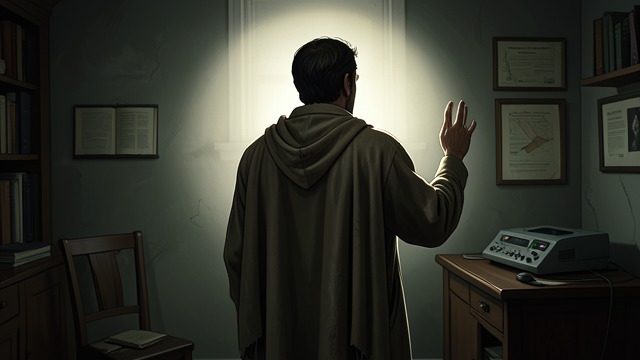
The Interrupted Departure
Hank Kunneman is about to leave his prayer room when he senses God asking him not to go.
A Personal Revelation
The moment reframes prayer as mutual fellowship rather than religious duty. God is presented as desiring conversation, attention, and companionship.
The Central Provocation
Hank’s schedule suddenly appears secondary to the divine invitation. The scene establishes the book’s governing question: what changes when a believer refuses to leave God alone?
The Habit of Prayer
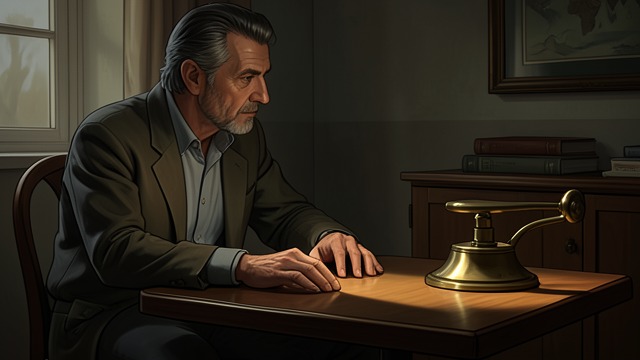
The Habit of Prayer
Hank identifies prayerlessness as a quiet danger that can replace daily communion with occasional emergency appeals.
Lost Attention
Fast schedules, meals, entertainment, and ministry programs repeatedly displace the meeting place where fellowship with God should occur.
Deliberate Return
He argues that a fixed time and place can turn desire into habit. Prayer becomes a practiced refusal to let distraction sever the relationship.
The Dry Season
The Dry Season
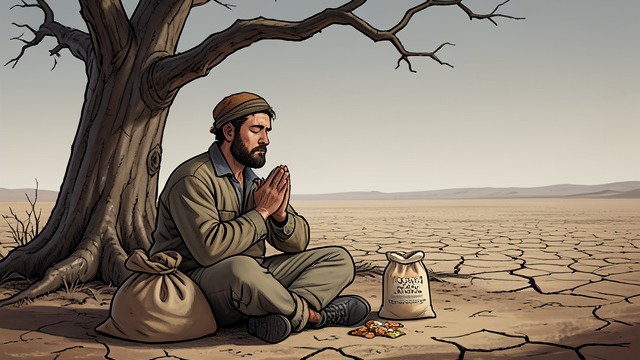
Hank enters a season in which prayer feels dull, God seems distant, and repeated disappointment drains his expectation.
The Desert Experience
He retreats to a camp with fasting, prayer, and an emergency sack of snacks, admitting that spiritual dryness has made persistence difficult.
Renewed Pursuit
A delayed encounter with deer becomes a personal lesson: continued pursuit forms an endurance that remains after emotional consolation fades.
The House of Prayer
The House of Prayer
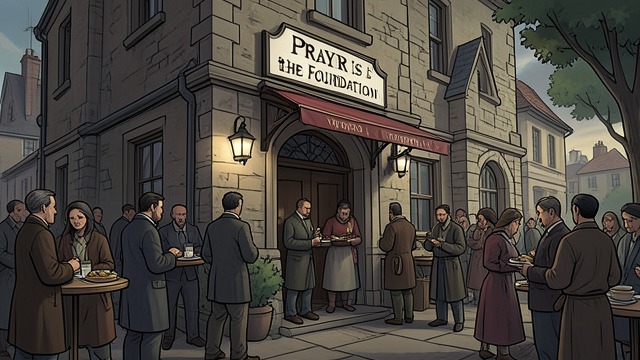
Hank shifts the focus from private devotion to the church’s public identity as a place governed by prayer.
A Displaced Center
He observes that meals, programs, and departments often receive stronger commitment than corporate intercession. The church risks becoming organized without becoming spiritually alive.
Restoration of Priority
The call is not merely for specialists but for the whole congregation. Prayer is presented as the foundation from which ministry, miracles, and communal purpose should grow.
The Lifestyle That Pays
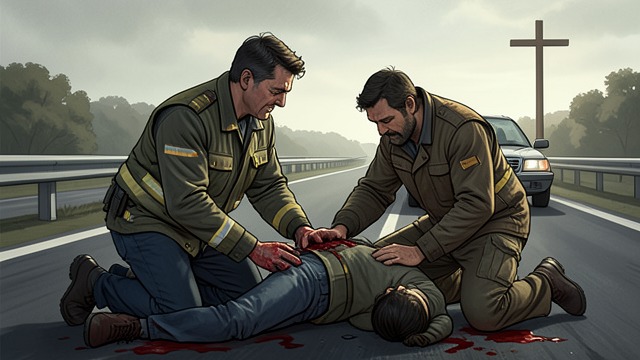
The Lifestyle That Pays
A highway rescue becomes Hank’s practical proof that a cultivated prayer life can meet a crisis before there is time for preparation.
Sudden Emergency
He finds an injured pedestrian on an interstate and must respond while fear, blood, and uncertainty surround him.
Prepared Compassion
Prayer, prophetic speech, and faith shape his actions, while the survivor’s unexpected recovery confirms the book’s claim that private devotion can become public help.
early in the book
shortly after the prayer-room experience
during Hank’s six-month spiritual drought
after Hank reflects on church life
near the end of the opening movement
