
God’s Apparent Withdrawal
Don't Leave God Alone: How to Get God's Attention, Remain in His Presence, and Even Change His Mind to Make a Difference in Your WorldThis flow follows the recurring biblical pattern in which apparent divine distance provokes stronger faith rather than abandonment.
increasing Bearing strength in each event
 decreasing
Bearing strength in each eventdecreasingThe Golden Calf Crisis
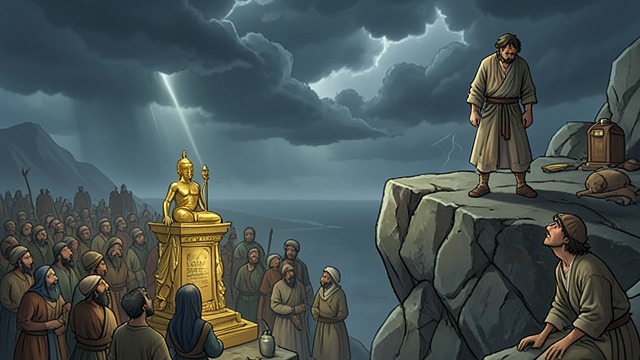
The Golden Calf Crisis
God tells Moses to leave Him alone after the Israelites turn from covenant worship toward the Golden calf apostasy.
Judgment Threatened
The request sounds like divine rejection, and the people’s future appears ready to collapse under judgment.
A Test of Response
Moses refuses withdrawal and appeals to covenant mercy. The crisis becomes the book’s clearest model of persistence interrupting destruction.
The Delayed Relative
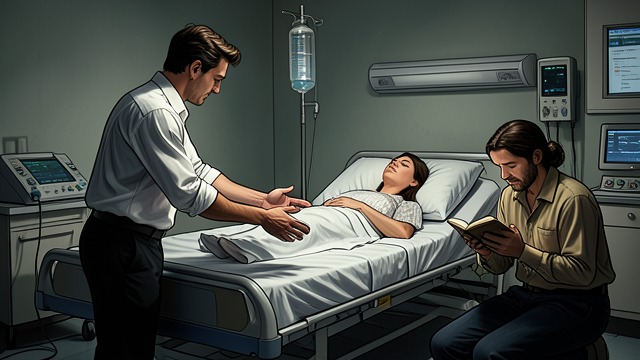
The Delayed Relative
Hank receives what he believes is a warning that a hospitalized woman will die before the day ends.
A Narrow Window
The woman has not received Jesus Christ, so the apparent deadline creates both spiritual and emotional urgency.
Intervention Before Death
Hank instructs the family to clear the room, pray, and call her awake. She revives, receives Jesus Christ, and dies soon afterward with her salvation secured.
The Lost Cities
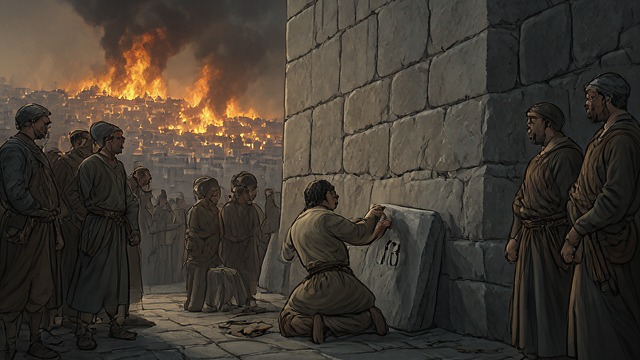
The Lost Cities
Abraham negotiates with God over the threatened destruction of Sodom and Gomorrah.
Descending Numbers
He repeatedly lowers the number of righteous people required for mercy, demonstrating both courage and hesitation.
The Cost of Stopping
When Abraham stops at ten, the conversation ends and destruction follows. The episode becomes a warning about abandoning intercession before the final appeal.
The Mercy of Nineveh
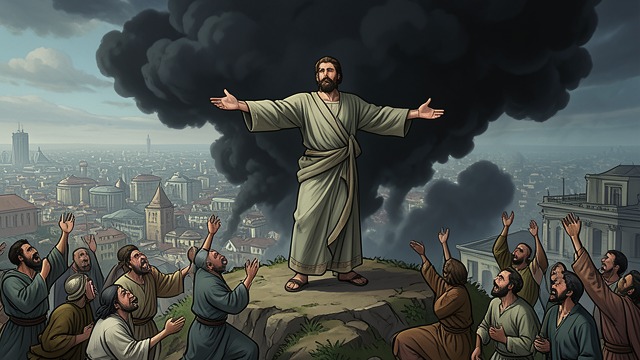
The Mercy of Nineveh
The prospect of judgment over Nineveh becomes an example of mercy waiting for a human messenger and a responsive city.
A Prophetic Warning
Jonah’s mission announces catastrophe, yet the warning itself leaves room for repentance and reversal.
A City Spared
Nineveh’s response turns threatened destruction into deliverance. The narrative reinforces the possibility that prayer and repentance can redirect a nation’s future.
The Extended Life

The Extended Life
Hezekiah receives a death sentence and answers it by turning toward God rather than accepting the announced outcome.
A Face Toward the Wall
His prayer is private, direct, and urgent. He refuses to treat the prophetic word as the end of every possible appeal.
Fifteen More Years
God grants an extension, making Hezekiah’s story a central illustration of petition changing a personal future.
during the wilderness apostasy
during the account of the comatose relative
during Abraham’s intercession
during Jonah’s mission
during Hezekiah’s illness
