
The Theology of Hope
Don't Leave God Alone: How to Get God's Attention, Remain in His Presence, and Even Change His Mind to Make a Difference in Your WorldThis flow traces hope through impossible medical crises, delayed dreams, and the expectation that life can return after apparent finality.
increasing Bearing strength in each event
 decreasing
Bearing strength in each eventdecreasingThe Newborn’s Diagnosis
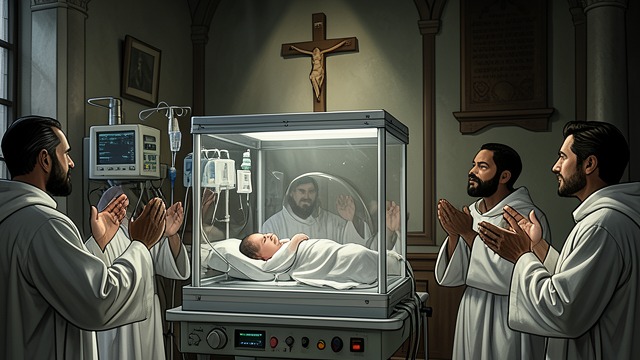
The Newborn’s Diagnosis
A newborn girl faces severe blood-platelet problems, liver failure, and an estimated eleven percent chance of survival.
Medical Impossibility
The family receives increasingly negative reports while the child remains fragile in an incubator.
Collective Prayer
The church refuses to interpret worsening evidence as final. Its prayer becomes a sustained act of hope.
Rocking the Baby
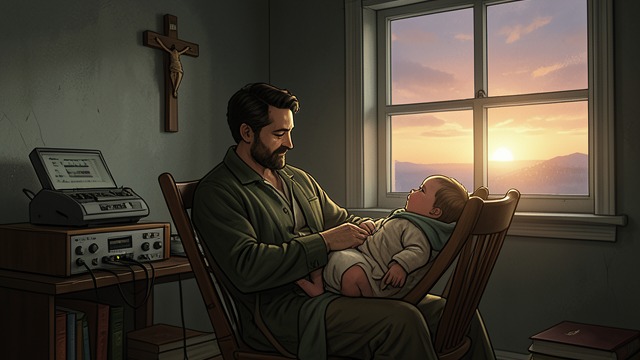
Rocking the Baby
Hank senses an instruction to go to the hospital and rock the baby in a chair.
Obedient Presence
The action is simple and almost ordinary, yet it becomes the chosen point of contact for prayer and faith.
The Turn Toward Healing
The next day the child’s platelet count improves dramatically. The narrative treats bodily presence and spiritual expectation as cooperating acts.
The Miracle Man’s Coma
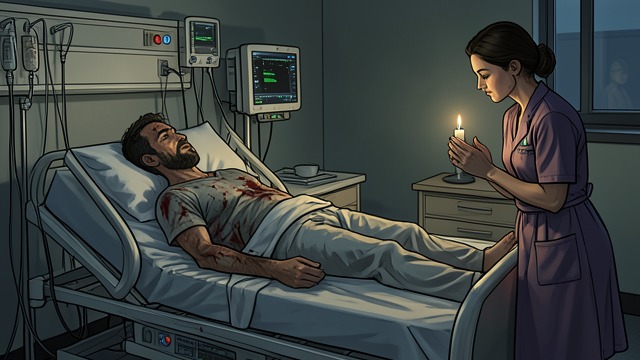
The Miracle Man’s Coma
Brenda’s father lies in a medical coma while his liver, kidneys, and lungs begin to fail.
The Body at the Edge
Machines, medicines, dialysis, and ventilation make the crisis visibly technological and medically severe.
Hope Under Mechanization
The family’s prayer persists beside the medical apparatus. Faith does not deny the crisis; it refuses to let the crisis define the ending.
The Stone Rolling Away
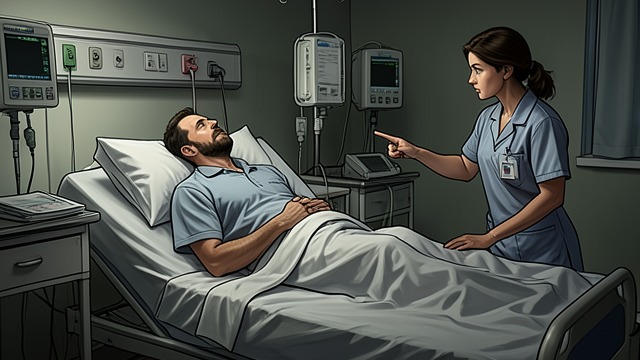
The Stone Rolling Away
Small signs begin to appear as medicines are reduced and machines are removed from Brenda’s father.
Incremental Resurrection
Unlike an instantaneous miracle, the recovery unfolds through stages that are easy to overlook.
Recognition Arrives Late
When a nurse recognizes him as the former patient from room ten, the family sees the scale of what has changed.
Hope for Dead Dreams
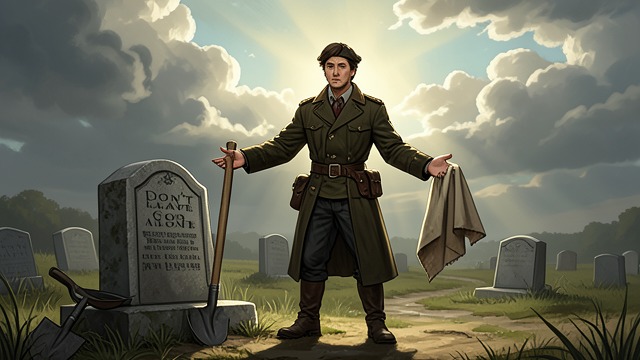
Hope for Dead Dreams
The book applies Lazarus’s resurrection to dreams, callings, relationships, health, and purposes that appear buried.
Reality Acknowledged
Hope does not require pretending that the grave is clean or the situation is easy. It begins by naming the deadness honestly.
Persistence Renewed
The reader is urged to remove obstacles, call the dream forth, and discard graveclothes. Hope becomes an active discipline.
during the newborn girl’s hospitalization
near the end of the newborn’s crisis
during Brenda’s father’s medical coma
during the gradual recovery of the miracle man
near the end of the Lazarus teaching
