
The Theology of Authority
Don't Leave God Alone: How to Get God's Attention, Remain in His Presence, and Even Change His Mind to Make a Difference in Your WorldThis flow traces the book’s development of authority from Adam’s mandate into disciplined spiritual resistance and practical governance.
increasing Bearing strength in each event
 decreasing
Bearing strength in each eventdecreasingThe Adamic Mandate

The Adamic Mandate
Adam is presented as receiving a fourfold responsibility to be fruitful, multiply, replenish, and subdue.
Governance as Stewardship
Authority is not framed as domination for ego but as responsibility over what God has entrusted.
A Lost Possession
The later fall is interpreted as humanity surrendering authority that should have been guarded.
Four Levels of Authority

Four Levels of Authority
The book derives four practical levels from the heroes who subdued kingdoms, practiced righteousness, obtained promises, and stopped lions’ mouths.
Keeping and Living
Authority includes preserving God’s gifts and living with integrity.
Producing and Resisting
It also includes fruitfulness and active resistance against destructive forces. Authority becomes both constructive and defensive.
Four Realms

Four Realms
The fish, birds, cattle and earth, and creeping things become symbolic realms of spiritual and practical influence.
Unseen and Elevated
The first realms represent hidden powers and high places that cannot be managed by ordinary sight.
Visible and Deceptive
The physical world and subtle traps require discernment, discipline, and willingness to govern rather than retreat.
The Rod of Power

The Rod of Power
The book identifies Moses’s rod with the authority represented by Jesus Christ’s name and righteousness.
Inherited Access
Believers are described as sharing in the authority of the risen Christ rather than approaching obstacles as abandoned victims.
Responsible Use
The rod must be stretched out. Authority remains ineffective when it is admired, feared, or left unused.
Standing Ground
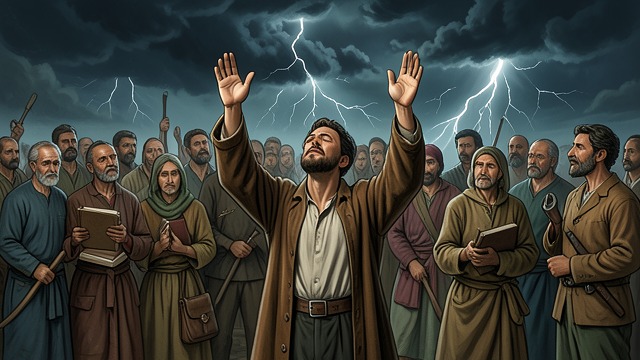
Standing Ground
The believer is urged to resist fear, speak God’s Word, obey practical direction, and maintain position until the conflict changes.
Not Passive Waiting
Standing does not mean inactivity. It includes prayer, speech, movement, and refusal to surrender rightful ground.
Authority Matured
The final emphasis is character: authority must be joined to obedience, holiness, and responsibility.
during the teaching from Genesis 1
during the Hebrews 11 teaching
during the Genesis 1:26 application
during the Red Sea instruction
during the final authority applications
