Jesus–disciples relationship
Don't Leave God Alone: How to Get God's Attention, Remain in His Presence, and Even Change His Mind to Make a Difference in Your WorldThe Jesus–disciples relationship is defined by instruction received through spiritual hunger: the disciples do not merely observe Jesus’ ministry but ask Him to teach them how to pray, and He responds by making prayer accessible, ordered, and practical. In the book’s account, this relationship shows that intimacy with Jesus is developed by remaining near Him, asking questions, and refusing to abandon communion when prayer feels difficult or unproductive.
Identity and Introduction
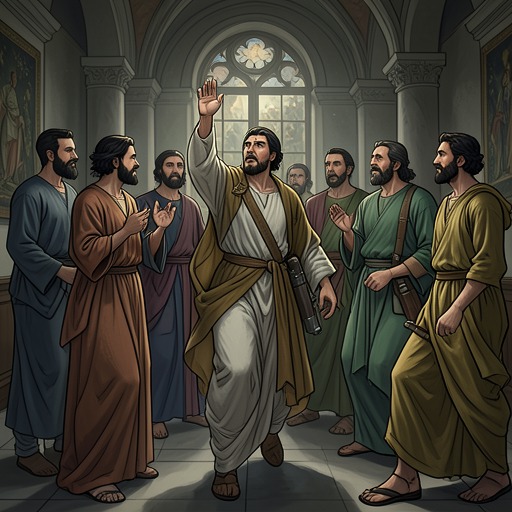
The relationship appears in the setting of Jesus praying in a certain place, when one disciple asks Him to teach them to pray as John the Baptist had taught his disciples. The request is significant because it does not ask first for instruction in prophecy, evangelism, or miracles. It identifies prayer as the disciple’s central desire and presents the disciple as unusually hungry for the practice that sustains fellowship with God.
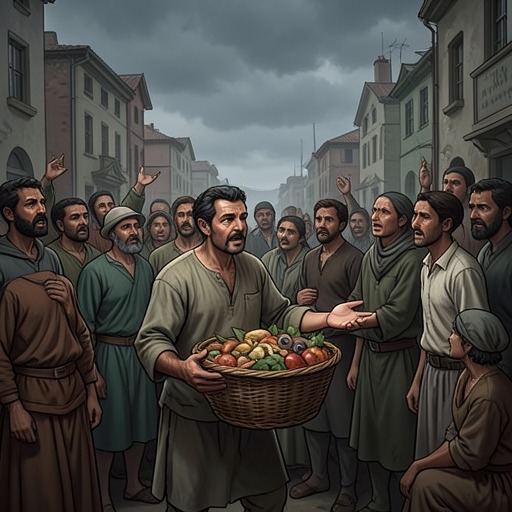
The book contrasts this spiritual hunger with the broader crowds who gathered around Jesus for physical provision. When Jesus fed the multitudes, five thousand men, together with women and children, remained present; when the subject turned to prayer, the numbers became smaller. The contrast frames the discipleship relationship as a matter of appetite: many people seek what Jesus can provide, but the disciple seeks to understand how to remain in communion with Him.
Jesus as Teacher of Prayer
Jesus answers the disciple’s request without hesitation and teaches for the next twelve verses. His instruction is described as detailed but simple, reducing a powerful prayer life to three general categories. The first is personal prayer for oneself, associated with verses 2–4; the second is prayer for others, associated with verses 5–9; and the third is persistence in prayer, associated with verses 10–13.
This structure gives the relationship a practical rhythm. Jesus teaches the disciples to bring their own needs before God, to intercede for other people, and to continue asking rather than surrendering when an answer is delayed. Prayer is therefore not presented as an elite gift reserved for spiritually exceptional people. It is a pattern Jesus explains so that ordinary disciples can practice it across their various times with God.
The teaching also personalizes the disciples’ approach to God. Jesus begins with the address “Our Father,” directing them toward a relationship rather than an abstract religious force. Worship deepens that intimacy as they hallow God’s name; asking for daily bread expresses dependence; seeking forgiveness requires a forgiving posture toward others; and the request for deliverance from evil connects prayer with moral protection. The disciples learn that prayer joins worship, dependence, repentance, forgiveness, and protection in one continuing relationship.
Learning Through Continued Presence
The book emphasizes that disciples learn to pray by getting alone with God and staying with the practice regardless of changing feelings or circumstances. The disciple’s original question becomes a model for every believer: if a person asks Jesus how to pray and is determined to learn, Jesus will teach. The instruction is not separated from communion; it emerges from the disciple’s willingness to approach Jesus directly.
This emphasis explains why the relationship requires persistence on both sides. Jesus gives the pattern, but the disciple must remain present long enough to absorb it. Prayer times may feel dry or unproductive, yet discouragement is not treated as proof that the relationship has failed. Hunger for time with God and the help of the Holy Spirit are presented as the conditions through which the disciple gradually succeeds.
The same principle governs the book’s broader teaching on importunity. Jesus uses persistence to cultivate an attitude that will not take no for an answer, and He teaches His followers to pray without fainting. The discipleship relationship therefore includes both instruction and testing: Jesus teaches what to do, while the disciples’ continued pressing reveals whether they have embraced the lesson.
Failure, Return, and Dependence
The relationship is set against the human tendency to withdraw after failure. Christians may feel that they have disappointed God in prayer, assume that God is angry, or become embarrassed by their inconsistency; instead of returning, they run away from prayer and from God. The book uses Adam and Eve as an image of this withdrawal, describing how they hid after sin rather than continuing their fellowship with God.
Against that pattern, the disciples’ relationship with Jesus offers a path of return. The believer is urged to run toward God even after failure, ask for forgiveness, and maintain forgiveness toward others. Jesus’ teaching makes prayer a place where damaged fellowship can be restored rather than a performance that must be perfected before anyone may approach.
The book extends this relational logic to healing and deliverance. It instructs believers to refuse to leave God alone, use the Word of God and the name of Jesus, believe that the Lord wants people to be free, stand their ground, refuse to give up on deliverance, and remain in church with an anointed pastor. These instructions portray discipleship as active dependence: Jesus supplies the promise and authority, while the disciple continues to seek, believe, stand, and return.
Narrative and Thematic Significance
The Jesus–disciples relationship functions as the book’s clearest model for spiritual formation. Jesus does not merely perform acts that spectators admire; He trains followers to participate in a life of prayer. The disciple who asks to be taught becomes an example of the “new kind of hunger” the book wants readers to develop, a hunger for God rather than only for benefits received from God.
At the book’s conclusion, this relationship is opened to the reader through an invitation to begin a personal life of knowing Jesus Christ and not leaving Him alone. The recommended response is daily time with Him, a request for His presence, repentance, belief in Jesus Christ’s death and resurrection, and a commitment to follow Him. The disciples’ question thus becomes the reader’s possible starting point: approach Jesus, ask to learn, and remain in the relationship until prayer becomes a settled way of life.