Paul
Don't Leave God Alone: How to Get God's Attention, Remain in His Presence, and Even Change His Mind to Make a Difference in Your WorldPaul is presented as a decisive biblical example of a person who does not abandon God in adversity. His significance rests on two connected patterns: a changed identity, signaled by the movement from Saul to Paul, and a persistent response to bondage and opposition through prayer, praise, and reliance on grace. Rather than portraying spiritual power as passive waiting for rescue, the book uses Paul to argue that believers must continue seeking God and act upon what God has already made available.
Identity and Transformation
Paul is included among biblical figures whose names mark a profound change of identity. The book places Saul’s becoming the apostle Paul alongside Abram’s becoming Abraham, Sarai’s becoming Sarah, and Simon’s becoming Peter. The naming pattern presents conversion not as a minor adjustment but as evidence that a person has received a new nature and a new direction.
That transformation remains an ongoing discipline rather than a single completed moment. The book teaches that every believer lives with both an old, fleshly nature and a new, spiritually reborn nature. The new nature is strengthened through the Word of God, worship, and prayer, while the old nature is strengthened by an appetite for fleshly things. Paul therefore functions as a sign of what changed life can look like, but also as an implicit challenge: spiritual identity must be continually nourished and expressed.
Worship in the Darkest Hour
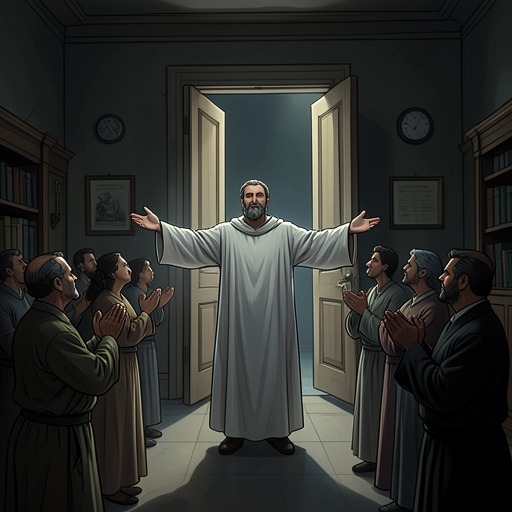
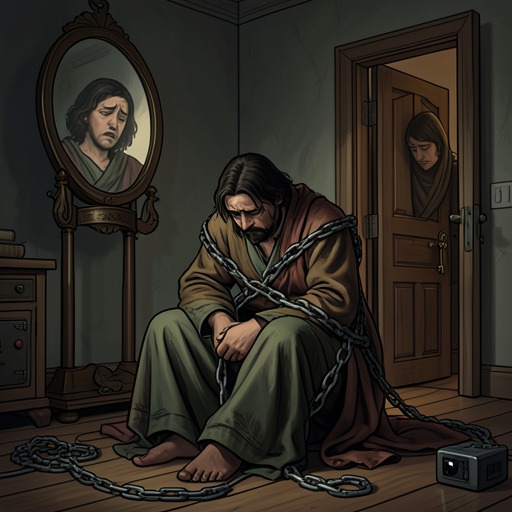
Paul’s experience with Silas in prison supplies the book’s clearest picture of worship as resistance to bondage. At midnight, while imprisoned with chains and surrounded by other prisoners, Paul and Silas prayed and sang praises to God. An earthquake shook the foundations of the prison; the doors opened, and the prisoners’ bonds were released.
The timing gives the episode its force. Midnight is described as their darkest hour, the point at which praise would have been most difficult because pain, failure, and confinement were most immediate. Yet they did not leave God alone in worship. Their praise is interpreted as a cry for deliverance, and the resulting freedom becomes a model for people who experience both inward bondage hidden from others and outward bondage visible to everyone.
The book connects Paul and Silas’s worship with the worship of the three Hebrew boys and with David’s music before King Saul, when evil spirits left Saul. Across these examples, worship is not treated merely as emotional consolation. It places God above personal failure and sin, creates an atmosphere of freedom, and is presented as one of the means by which bondage can break and freedom can be maintained.
Opposition and the Sufficiency of Grace
Paul also represents the believer confronting an obstacle that does not disappear simply because it has been prayed against. The book describes a messenger of Satan buffeting Paul while he was in prison. Paul initially responded as Moses had responded to his own difficulty: he cried out to God and asked for the problem to be removed.
Paul cried out three times without receiving the answer he expected. The repeated prayer does not end in abandonment, but in a changed understanding of what had already been supplied. The Lord’s answer was, “My grace is sufficient for you.” Grace is therefore not portrayed as a last-minute supplement that arrives only after every other resource has failed. It is already present and sufficient for the pressure Paul faces.
This account becomes a teaching about authority. The book argues that when believers rise in the authority of grace on earth, God acts from the grace of heaven. Mountains and obstacles are not to be tolerated, evaded, or merely complained about; they are confronted through God’s Word, the rod of authority, the name of Jesus, and the declaration of grace. Paul’s unanswered requests thus become a lesson in persistence with redirected expectation: the needed resource may be grace to endure and act rather than immediate removal of the obstacle.
Ethical Persistence and Return to God
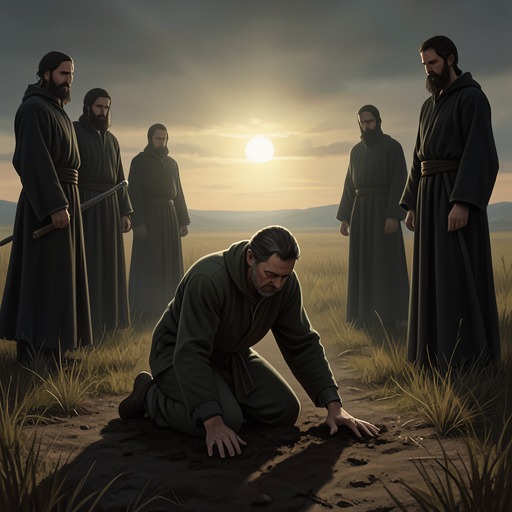
Paul’s example is set within a larger discipline of repeated return. The book rejects the response of hiding after failure, comparing shame-based avoidance to the fig leaves of Adam and Eve. People who sin or compromise may try to cover themselves through their own efforts toward righteousness, but such self-made coverings only stand between them and God’s presence. The prescribed response is to run back to God, trusting the blood of Jesus rather than personal performance.
This return is not permission to remain unchanged. The book distinguishes an apology from repentance: repeated sorrow without an intention to change is not the complete turning that God seeks. Daily decisions, described as seeds of righteousness, are expected to produce the lasting fruit of a changed life. In this framework, Paul’s renamed identity and his endurance under pressure belong together. Grace restores the failing person, while prayer, worship, obedience, and daily spiritual choices train that person to live differently.
The same principle appears in the teaching on forgiveness. Failure must not be allowed to separate people from God; they are urged to seek forgiveness confidently and to cultivate forgiveness toward others. Such a practice helps them resist temptation and pray for deliverance from evil. Paul’s story therefore supports an ethic that combines boldness with self-examination: believers may approach God persistently, but they must also keep feeding the new nature and refusing the habits of the old one.
Narrative and Thematic Role
Paul is not developed through a continuous biography in the supplied material. Instead, he appears episodically, as a scriptural witness whose experiences illuminate the book’s central argument about not leaving God alone. His prison worship provides a concrete deliverance narrative, while his repeated cry under spiritual opposition provides a more complex account in which the answer is sufficient grace rather than the removal of suffering.
Together these episodes create a progression from confinement to freedom and from demanded removal to empowered endurance. Paul’s renamed identity supplies the image of inward transformation; his midnight praise supplies the image of active faith in darkness; and his threefold cry followed by the promise of sufficient grace supplies the book’s explanation of how persistence matures. He is consequently used less as a distant historical figure than as a living pattern for readers who are asked to keep praying, keep worshiping, repent genuinely, and confront their mountains with the resources already given by God.