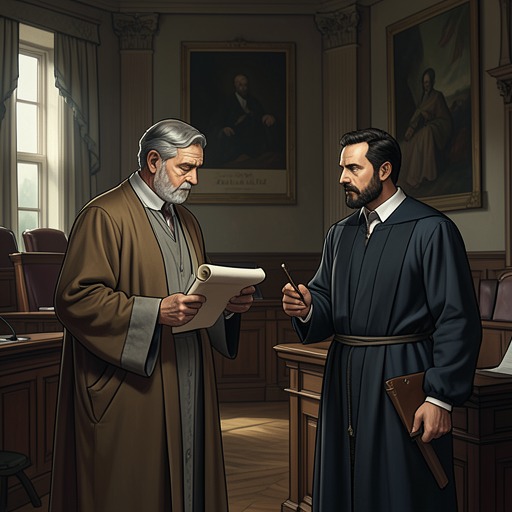
Change God's Mind
Don't Leave God Alone: How to Get God's Attention, Remain in His Presence, and Even Change His Mind to Make a Difference in Your World“Change God's Mind” names the book’s central claim that persistent prayer can alter the outcome of a situation while leaving God's Word permanently settled. The expression is grounded in Moses’ refusal to withdraw when judgment threatened the Israelites: he continued pleading for mercy until the Lord changed His mind about the harm He had said He would bring on His people. In this framework, prayer becomes an active means by which a person gives God a reason to extend mercy, interrupts destructive plans, and turns circumstances toward blessing.
Meaning and Theological Distinction
The expression does not mean that human beings can rewrite Scripture or make God contradict His character. The book insists that God's written Word cannot be changed, quoting Psalm 119:89 to describe it as forever settled in heaven. “Change God's Mind” instead refers to a change in the outcome of a particular event or situation, including one shaped by human wrongdoing. Justice may require a response to sin, yet persistent intercession can provide the occasion for mercy to prevail.
This distinction allows the expression to hold together divine authority and human participation. The book presents God as looking for someone on earth who will continue pursuing Him until circumstances change. Prayerlessness recreates separation between God and humanity even though Jesus Christ’s death on the cross removed that separation; persistent prayer, by contrast, reconnects people with God’s intervention. The expression therefore describes not an attempt to overpower God, but a determined response to His invitation to seek Him, ask in Jesus Christ’s name, and approach the throne of grace for help and mercy.
Moses as the Defining Example
Moses provides the expression’s decisive biblical pattern. When God requested to be left alone and judgment threatened Israel, Moses stood before Him rather than accepting the apparent finality of the decree. He appealed to God's agreement with His people and argued that the Egyptians might misinterpret Israel’s destruction. His plea urged God to turn from fierce wrath and remember His covenantal purpose.
The book treats the result as an explicit change in divine intention: the Lord changed His mind about the harm He had said He would do to His people. Moses’ persistence thus saved a nation from judgment. The narrative even imagines the historical consequences had Moses failed: God might have begun again with Moses, producing a people known as the children of Moses rather than the children of Israel. That speculation heightens the stakes of intercession while reinforcing the book’s conviction that Moses’ refusal to leave God alone was not symbolic persistence but a force with national consequences.
Moses’ example also defines the required attitude. He did not allow God’s anger, the apparent impossibility of mercy, or the prospect of rejection to keep him from returning to the matter. The book presents him as standing up and refusing the answer that seemed inevitable. His faith in promised mercy gave God what the author calls a valid reason to change course, making intercession a form of covenant advocacy rather than mere emotional pleading.
Other Examples and Collective Prayer
Hezekiah is presented as another person who changed the outcome through prayer. After God told him that he would die, Hezekiah sought the Lord, and the Lord granted him a fifteen-year extension of life. The episode supports the book’s direct application: if Moses and Hezekiah could receive a changed outcome through seeking God, contemporary believers are likewise urged to stand up and pray.
The expression also governs the book’s treatment of national crisis. While praying for the United States, the author experienced what he describes as God's presence and heard a message that the nation was being given another chance, as Nineveh had been spared. The author connects that experience to Moses’ intervention for Israel and concludes that people can stand up for their nation rather than anticipate its destruction. The intended response is continued prayer until the desired national change comes to pass.
This national emphasis extends to cities, churches, crime, and public danger. The book identifies six demonic influences associated with silence concerning cities: violence, profanity, corrupt wisdom, defiled sanctuaries, iniquities, and terrorism or fear. Persistent prayer is presented as a means of opposing these influences. A Florida example gives the collective model concrete form: after an earlier prayer effort did not prevent predicted hurricanes, hundreds of people prayed fervently the following year concerning a specifically named storm, and that storm did not strike them. The author attributes the difference to determination and to the refusal to accept no as the final answer. The following year, after further prayer and declarations of peace, no major hurricane hit the United States, which the book again interprets as the result of people praying collectively, individually, and fervently.
The same logic appears in the early church. In Acts 12, Herod killed James and imprisoned Peter, who appeared likely to suffer the same fate. The church responded through diligent prayer rather than relying on natural political or physical solutions. Its persistence is presented as the source of the power and results associated with the churches of Acts, showing that “Change God's Mind” is not limited to solitary devotion but can describe organized communal intercession.
Failure, Mercy, and the Call to Persist
The expression is addressed especially to people who have failed in prayer and are tempted to withdraw from God. The book describes embarrassment, discouragement, and fear of divine anger as forces that make Christians avoid prayer after they have neglected it. Adam and Eve provide the governing image: after sin, they hid from God and covered themselves with fig leaves. Those leaves represent human efforts to appear righteous or justified, but they cannot replace God's presence.
Against that retreat, the book directs failed believers to run toward God rather than away from Him. Because of the blood of Jesus Christ, sin can be covered without dependence on a self-made covering. The practical discipline is to return to prayer repeatedly, refuse excuses, and continue seeking help even after inconsistency. “Change God's Mind” therefore joins mercy to self-discipline: failure is not treated as a reason to abandon prayer, but neither is grace presented as permission to remain passive.
The book contrasts Moses with Abraham to warn against stopping too soon. Abraham interceded for Sodom and Gomorrah, but the text emphasizes that he eventually ceased communing with God and returned home; the cities were then destroyed. The destiny of two cities is thus associated with one man who quit counting and left God alone. The contrast makes persistence the decisive variable: Moses continued until judgment was interrupted, whereas Abraham’s intercession ended before the outcome changed.
From Expression to Personal Commitment
In its final use, “Change God's Mind” becomes an instruction for daily practice. Jesus Christ’s teaching about importunity is interpreted as a call to be shameless, bold, determined, pressing, entreating, and persistent in requesting. The believer is told to pray without fainting, continue pressing in, and refuse to take no for an answer while trusting that an answer will come through perseverance.
The book applies the principle to deliverance as well as national and personal circumstances. Its listed practices are to refuse to leave God alone, use the Word of God and the name of Jesus Christ, believe that the Lord wants freedom, stand firm, refuse to give up on deliverance, and remain connected to a church with an anointed pastor. The expected consequence is that spiritual strongholds will break and the person will become free.
The closing appeal transforms the expression into a vow of relationship. Readers are invited to begin a personal life with Jesus Christ, spend quality time with God each day, ask for His presence, and seek deeper intimacy. The proposed prayer includes repentance, forgiveness, commitment to a life pleasing to God, dependence on the Holy Spirit, and a decision to pursue Jesus Christ until blessing comes. In that final movement, “Change God's Mind” is no longer only a doctrine about Moses or Hezekiah; it is a public act of commitment in which the reader is asked to become the persistent intercessor the book believes God is seeking.