Fujin no hana ni tsugi naku
Don't Leave God Alone: How to Get God's Attention, Remain in His Presence, and Even Change His Mind to Make a Difference in Your WorldDon't Leave God Alone is a practical theology of persistent fellowship and prayer. Its decisive claim is that believers should not retreat from God through distraction, shame, prayerlessness, or apparent delay, but should keep returning to Him with disciplined attention and determined faith. The principle joins intimacy with urgency: God is presented as desiring human fellowship, while persistent prayer becomes the means by which people remain connected to Him and seek His intervention in crisis.
Meaning and Spiritual Foundation
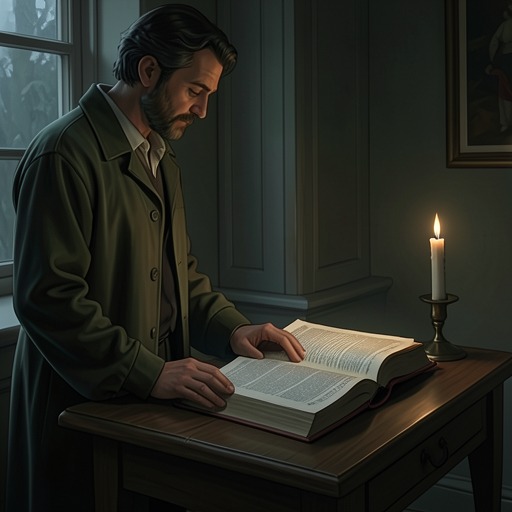
The concept begins with a private moment in Hank Kunneman's prayer and study room. As he reached for the door after finishing his allotted prayer time, he heard an inward appeal not to leave. He withdrew from the door, recognized the experience as a cry from God's heart, and realized that his schedule had become an argument for ending fellowship. The episode turns an ordinary departure into the defining image of the teaching: prayer is not merely a task completed within an hour, but a relationship that may require willingness to remain.
The discipline is therefore more demanding than hurried religious formulas or prayers offered only when trouble arrives. Kunneman recalls praying quickly over a meal and sensing God challenge whether the words had come from his heart. That memory distinguishes formal speech from attentive communion. The proposed remedy is concrete rather than abstract: set aside a regular time and place to meet God, speak openly about the desire for fellowship, and continue until a durable habit has formed. Consistency is treated as an offering of time and as a way of making God's presence part of every circumstance, not merely an emergency resource.
Refusing Withdrawal and Spiritual Separation
The book presents leaving God alone as spiritually dangerous because separation creates an opening for the devil to kill, steal, and destroy. Adam and Eve provide the pattern of failed response: after sinning, they hid from God's presence instead of returning to Him. Their concealment is interpreted as another form of abandonment, a flight from fellowship caused by guilt and embarrassment. The recommended response reverses that movement. When believers fail in prayer, they should not avoid God because they fear anger or feel ashamed; they should run toward Him, seek forgiveness, and resume fellowship.
The principle also appears in Moses' response when God announced judgment after Israel's apostasy. Moses pleaded with God rather than accepting the apparent finality of the divine declaration. In the book's interpretation, Moses refused to leave God alone and would not accept no as the last word. This intercession interrupts the enemy's imagined victory and establishes a recurring pattern: God looks for someone on earth who will continue pursuing Him until a situation changes. Prayer is presented as the connection through which divine intervention enters human circumstances, while prayerlessness can recreate the separation that Jesus Christ's death on the cross has overcome.
Persistence in Crisis and Intercession
The concept is tested through accounts of danger in which established prayer becomes an active response. After a late-night church service, Kunneman was driving on an interstate while worshiping God when he saw a car stopped with its flashers on and a man lying in the highway. The victim had been struck while attempting to cross the road; his head was swollen and bleeding, and the force of the impact had left hair in the car's grille. Kunneman knelt beside him, placed his hands on him, called on God, prayed in the Spirit, and commanded life and unbroken bones. The young man coughed, moaned, and eventually repeated a prayer asking Jesus Christ into his heart. The scene makes persistence bodily and immediate: fellowship cultivated in private becomes courage and action when another person's life hangs in the balance.
A related hospital account concerns an elderly relative lying in a coma and unresponsive to touch or sound. Kunneman believed he heard that the person would die at four o'clock that afternoon, but also understood that the relative did not know Jesus Christ. He instructed the family member to clear the room, call the patient to wake in Jesus' name, and share the gospel before the stated time. Here persistent prayer is not confined to securing a personal blessing; it becomes intercession for a soul believed to be near eternity without salvation.
The same pattern governs prayer for healing. Kunneman describes a newborn girl whose platelet count was extremely low and whose incurable disease was attacking her liver and blood. Her liver was failing, doctors gave her an eleven percent chance of survival, and continued prayer initially seemed to produce little visible change. The church kept speaking God's promises, and Kunneman, together with the parents and others, determined that the situation would not end in defeat. The account frames persistence as a collective decision that sets fear and shock aside while continuing to seek a miracle.
The family story of Kunneman's wife's father extends the principle into a prolonged medical crisis. After a mysterious fever first appeared during a July 4 camping trip and returned violently in December, exploratory surgery revealed diverticulitis and a ruptured bowel. Infection had progressed to septic shock. The patient was placed in a medical coma, swelled to three times his normal size, developed a fever of 105 degrees, and required nineteen intravenous bags, eight physicians, dialysis, and a ventilator as his liver, kidneys, and lungs began shutting down. The family prayed around the clock despite a survival estimate below fifty percent. The severity and duration of the crisis supply the concept's characteristic test: persistence continues when circumstances seem to contradict the anticipated answer.
Biblical Models and Practical Rule
The book links Don't Leave God Alone to the biblical idea of importunity, described as shameless, bold, determined, pressing, entreating, and persistent requesting. Jesus Christ's teaching in Luke 11 and the instruction to pray without fainting in Luke 18 are read as a command to refuse spiritual resignation. Asking, seeking, and knocking are not separate moments of polite religious inquiry but a sustained posture that continues until an answer comes. The principle asks believers to determine not to grow weary and to remain confident that persistence matters.
Elisha supplies another model. When Elijah appeared to be moving away, Elisha continued following him rather than stopping when the transfer of spiritual power seemed uncertain. The book interprets this as a test of whether Elisha would pursue God and walk in divine power for himself. In contrast, the Israelites complained during their wilderness testing. Their speech revealed a heart that interpreted delay as abandonment, whereas Elisha's declaration that he would not leave Elijah expressed a settled refusal to give up. The lesson is applied directly to prayer: apparent silence may be a test of pursuit rather than evidence of indifference.
The principle also governs deliverance. A practical list instructs believers to refuse to leave God alone, use the Word of God and the name of Jesus Christ, believe that God wants them free, stand their ground, refuse to abandon deliverance, and remain in church with an anointed pastor. Freedom is thus described as requiring repeated engagement rather than a single emotional moment. Jesus Christ's promise that the Son makes people truly free is joined to the image of Samson grasping the pillars and to the worship of Shadrach, Meshach, and Abednego: determined faith continues until bondage breaks.
Conversion, Blessing, and the Ending Appeal
Don't Leave God Alone finally becomes a direct invitation to conversion and daily discipleship. Readers who have never known Jesus Christ personally are urged to begin an intimate relationship by spending quality time with God every day, asking for His presence, and seeking deeper fellowship. The closing prayer asks the reader to dedicate life to persistent pursuit, believe that Jesus Christ died on the cross and rose from the dead, call on His name for salvation, repent of sin, receive the Holy Spirit, and live as a Christian who wants to know God more deeply.
The ending turns the concept from an explanation into a public act of commitment. Its requested response is not passive agreement but a decision to continue seeking God until blessing is received. In this structure, testimony, biblical interpretation, practical instruction, and evangelistic invitation converge. The phrase Don't Leave God Alone names both a prayer habit and a complete posture of life: return after failure, remain during delay, intercede for others, pursue freedom, and treat fellowship with God as the source of success, blessing, and eternal hope.