
MAT and the Battle Over Recovery
DopesickThis thread follows the debate over medication-assisted treatment, from early resistance to evidence that sustained medication can reduce deaths and support recovery.
increasing Bearing strength in each event
 decreasing
Bearing strength in each eventdecreasingA Longstanding Suspicion

A Longstanding Suspicion
Treatment with an opioid
Methadone could reduce withdrawal and help people stabilize, but regulators and critics feared that using one opioid to treat dependence merely replaced one drug with another. This concern limited where and how treatment could be delivered.
The debate persists
Later medications continued to face cultural resistance, especially where abstinence was treated as the only legitimate form of recovery. The medical question became tangled with judgments about character and self-control.
The book places contemporary arguments within this longer history. Distrust of maintenance treatment preceded the current epidemic and shaped the care available to people caught in it.
Buprenorphine Arrives

Buprenorphine Arrives
A different model
Buprenorphine made it possible for qualified physicians to treat opioid dependence in office settings. It could reduce cravings and withdrawal without requiring daily attendance at a specialized clinic.
New concerns
Diversion and poorly supervised prescribing became real problems in some areas. Those failures fed opposition to the medication even though they did not erase the benefits experienced by patients in well-run programs.
The conflict became a choice between improving safeguards and rejecting treatment altogether. The book argues that this distinction mattered to people whose lives depended on access.
The Abstinence Divide
The Abstinence Divide
Treatment rules collide
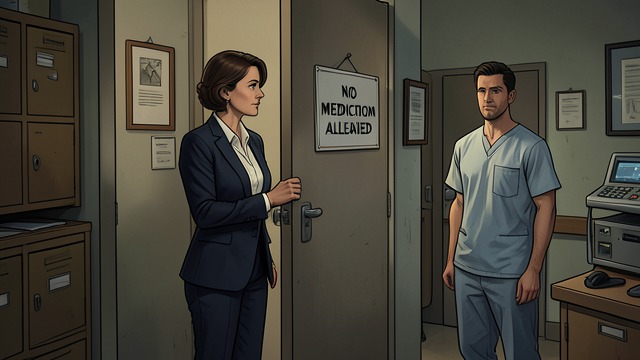
Some residential programs would not accept patients taking buprenorphine or methadone. People who needed medication to avoid withdrawal could therefore be excluded from treatment or pressured to taper before admission.
Families pay the price
Families spent large sums on residential care while trying to reconcile treatment promises with relapse and overdose risk. A patient who left a program or could not endure withdrawal might return to illicit opioids.
The divide between abstinence-only programs and medical treatment was not abstract. It shaped which beds people could enter and whether they could remain alive long enough to recover.
Evidence and Resistance

Evidence and Resistance
A protective effect
Researchers and clinicians described evidence that methadone and buprenorphine reduce overdose risk when treatment is sustained. They emphasized that relapse is common and that stopping medication too quickly can destabilize recovery.
Institutional barriers
Some judges, law-enforcement officials, and recovery groups remained opposed. Drug courts sometimes barred prescribed medication, while clinics faced patient caps, long waits, and financial barriers.
The conflict was between established evidence and institutional beliefs that were difficult to change. Patients experienced the consequences whenever policy overruled medical judgment.
A More Open Treatment System
A More Open Treatment System
Integrated care
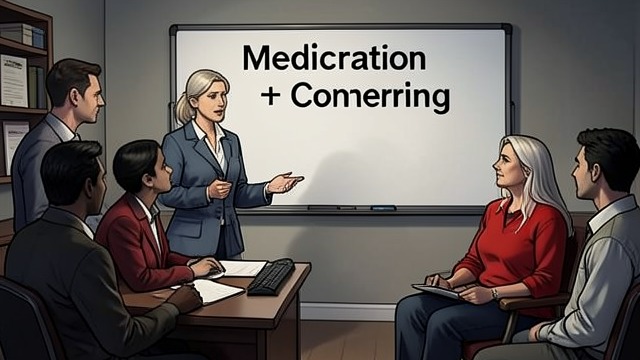
Advocates called for medication combined with counseling, recovery support, and attention to housing and employment. Clinics and partnerships such as Overmountain Recovery offered examples of care that could bridge medical and social needs.
An unfinished change
Programs remained uneven, and critics continued to raise legitimate concerns about weak oversight. The book’s argument is not that medication solves every problem, but that denying it can make a treatable disorder more dangerous.
The conflict begins to soften where communities combine evidence with practical accountability. The need is a system able to offer options rather than force a single theory of recovery.
1960s–1970s, as methadone treatment faced opposition
2002 onward, as office-based buprenorphine treatment became available
2012–2016, as families navigated rehabs that rejected MAT
2016–2017, as officials and clinicians argued over MAT access
Near the book’s ending, as community models gained support
