
Poverty, Work, and Addiction
DopesickThis thread connects deindustrialization and disability to the social conditions in which opioid prescribing and illicit markets flourished.
increasing Bearing strength in each event
 decreasing
Bearing strength in each eventdecreasingThe Jobs Disappear
The Jobs Disappear
An economic foundation weakens
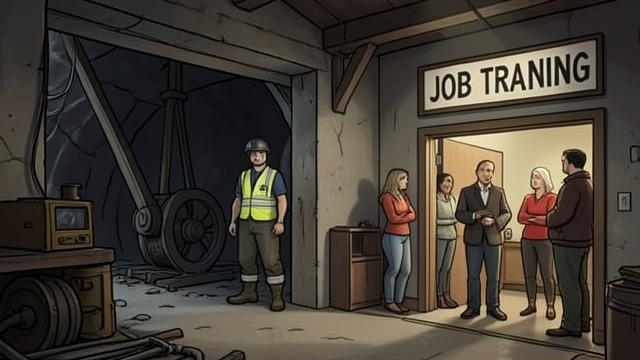
Mining, furniture, and textile work had supported families across Appalachia and Virginia. Automation, trade, and plant closures reduced stable employment without reliably replacing wages or community structures.
Daily insecurity grows
Unemployment, disability claims, and food insecurity rose in communities left with few alternatives. The loss of work affected not just income but also routine, identity, and the expectation that young people could build a future locally.
The book argues that economic distress did not mechanically cause addiction. It created vulnerability and left communities with fewer resources to respond when opioids became widely available.
Pills as a Resource

Pills as a Resource
A drug meets economic strain
In areas with high disability and few jobs, prescription painkillers could serve as medicine, a source of illicit income, or both. Some people sold pills to cover utilities and food; others became dependent after treatment.
A widening market
When pills were plentiful, dealers and users had access to valuable drugs through prescriptions, theft, and diversion. The supply helped create a market that local treatment systems were not prepared to manage.
The book’s metaphor that pills became the new coal describes a shift in the region’s economy. A drug that promised relief also became a resource circulating through struggling households.
Disability as a Safety Net

Disability as a Safety Net
Limited choices
For some people unable to find work, disability payments became one of the few reliable sources of income. Chronic pain and mental-health problems could qualify for support, while job retraining often failed to restore earlier wages.
A system under strain
The book describes disability as both essential assistance and an imperfect substitute for jobs and health care. It could help families survive, yet it could not rebuild local economies or provide adequate treatment for addiction.
Economic policy and health outcomes converged in places where employment had disappeared. Understanding that convergence requires looking beyond individual choices to the opportunities people had been left with.
The Heroin Economy

The Heroin Economy
Demand becomes income
Dependent users sometimes sold drugs to fund their own use, while higher-level dealers profited from moving heroin into areas with fewer competitors. These roles connected economic desperation with a highly profitable illicit market.
Little legitimate work
People leaving prison and those shut out of formal employment faced fines, housing barriers, and limited job options. Dealers could offer income more rapidly than lawful routes available to people with criminal records.
The book does not equate poverty with criminality. It shows how weak employment prospects and strong drug profits could make illegal markets difficult to dislodge.
Rebuilding the Conditions for Hope
Rebuilding the Conditions for Hope
More than clinical care
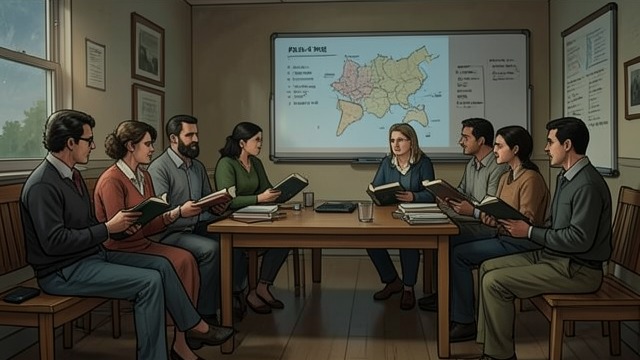
Advocates argued that medication and counseling could not substitute for stable housing, meaningful work, transportation, and supportive relationships. People needed realistic alternatives to drug use and illicit income.
A broader social response
Community clinics, recovery programs, and job partnerships offered local examples, but advocates called for more durable public investment. Economic recovery was inseparable from the ability to sustain treatment and rebuild everyday life.
The book’s social argument is that recovery depends on rewarding alternatives. Communities cannot ask people to choose a future they cannot reach.
1980s–2000s, as mining and factory employment declined
Late 1990s–early 2000s, as OxyContin entered distressed communities
1990s–2010s, as disability claims increased in struggling counties
2012–2017, as local and bulk heroin markets spread
2016–2017, as advocates proposed jobs and community investment
