
Kristi and Jesse
DopesickThis thread follows Kristi Fernandez’s effort to understand her son Jesse Bolstridge’s progression from energetic teenager to heroin-dependent young man and overdose victim.
increasing Bearing strength in each event
 decreasing
Bearing strength in each eventdecreasingA Restless Childhood
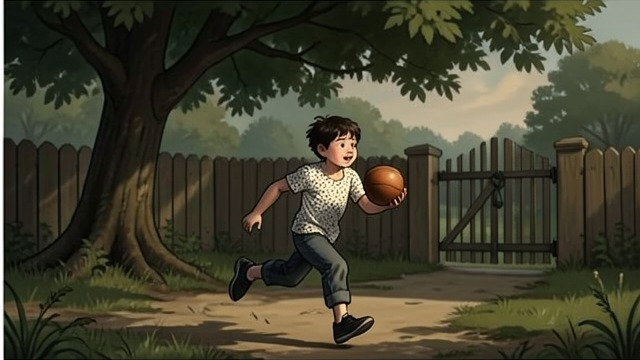
A Restless Childhood
An energetic boy
Jesse Bolstridge was remembered as restless, sociable, and full of motion. His mother, Kristi Fernandez, sought help when school difficulties emerged, and he was treated for attention and behavioral concerns.
Early risks
His energy and later injuries formed part of the background to his drug exposure, but they did not make his future inevitable. The book resists simplifying his life into a single diagnosis or early warning sign.
Kristi’s later search for answers begins with the child she knew before addiction altered his life. Remembering that fullness matters because it resists reducing him to an overdose statistic.
Pills and Peer Exchange
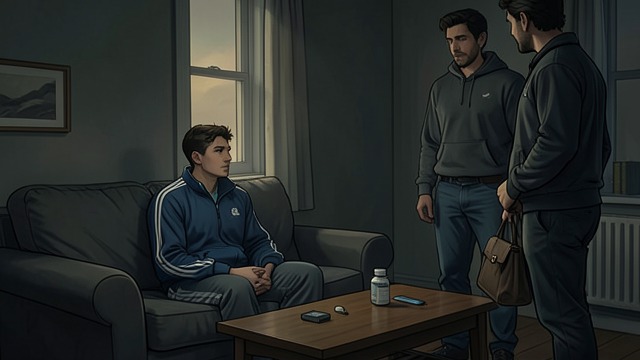
Pills and Peer Exchange
Injuries and prescriptions
Jesse sustained repeated sports injuries and received opioid painkillers. At the same time, pills moved among young people through friends and medicine cabinets, and he traded stimulant medication for drugs others wanted.
Warning signs obscured
A parent accused Jesse of taking pills, but Kristi initially defended him. Prescription medication seemed different from the heroin she associated with severe addiction, and the family did not yet understand the direction his use could take.
The pathway from prescribed pills to illicit opioids was gradual and difficult for relatives to see. By the time the danger became undeniable, Jesse was already struggling to control his use.
Treatment and Relapse
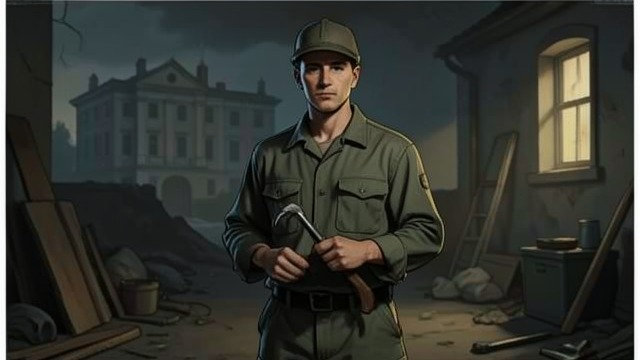
Treatment and Relapse
An early attempt
Jesse attended treatment and briefly took buprenorphine, but the program tapered him off quickly. After returning home, he worked construction and appeared capable of carrying on with ordinary plans.
Addiction remains hidden
Behind his outward routine, he spent heavily on opioids and struggled to stop. Kristi sensed danger but found it difficult to reconcile heroin dependence with the strong, employed young man she saw.
The treatment system offered too little continuity for a disorder that often requires repeated and sustained care. Jesse’s apparent functionality concealed how precarious his situation had become.
The Last Weekend
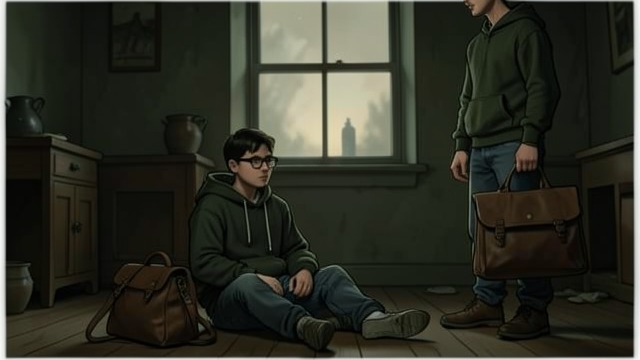
The Last Weekend
A final plan
Jesse was preparing to return to a treatment center when withdrawal and a friend’s need for heroin drew him into using again. He told people he wanted the night to be his last before beginning another attempt at recovery.
A fatal overdose
The next morning, his friends found him unconscious in a bathroom. The delay before emergency services were called left his mother with unanswered questions about what had happened and who had been with him.
Jesse’s death came just as a new treatment opportunity seemed close. The timing captures how a brief relapse can become fatal in a system where access and protection are uncertain.
A Mother’s Investigation
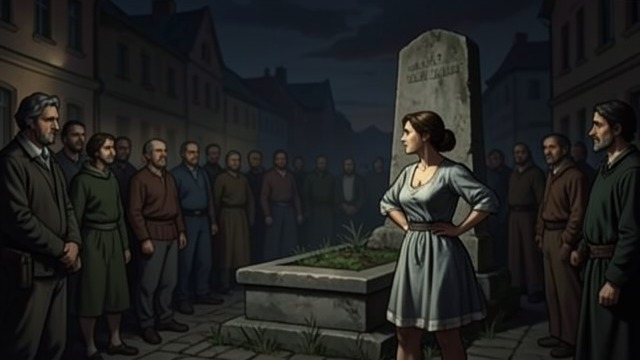
A Mother’s Investigation
Searching for a coherent story
Kristi visited Jesse’s grave and asked what had led to his death. She met with people connected to his final months and followed the investigation into Ronnie Jones’s heroin network, hoping to understand whether the supply had reached Jesse.
Answers remain partial
Investigators could not prove a direct connection between the network and Jesse’s overdose. Ronnie Jones did not recognize Jesse’s name, leaving Kristi with evidence of a wider crisis but no satisfying explanation for her son’s final hours.
Her effort became both an act of grief and a form of public service. By seeking a fuller account, she hoped other families might recognize danger earlier.
Early 2000s, when Jesse was a young child
Mid-to-late 2000s, during Jesse’s high-school years
2013, during Jesse’s attempts to enter recovery
September 2013, two days before Jesse’s planned return to treatment
2016–2017, as Kristi sought answers about Jesse’s death
