
Tess’s Search for a Way Back
DopesickThis thread follows Tess Henry’s addiction, motherhood, repeated attempts at treatment, loss of custody, and death while homeless in Las Vegas.
increasing Bearing strength in each event
 decreasing
Bearing strength in each eventdecreasingA Promising Young Adult

A Promising Young Adult
A lively, anxious young woman
Tess Henry excelled in school, sports, and creative pursuits. Her mother, Patricia Mehrmann, remembered a sensitive child whose anxiety sometimes surfaced in everyday situations.
Exposure to pills
Tess first encountered prescription painkillers through peers and medical care. The book records a familiar pattern in which a drug prescribed or shared for ordinary reasons becomes part of a person’s route toward dependence.
Her later life cannot be reduced to the promise she once showed or the choices she later made. The contrast makes visible how addiction can transform a person’s world without erasing her earlier self.
From Pills to Heroin
From Pills to Heroin
Dependence takes hold
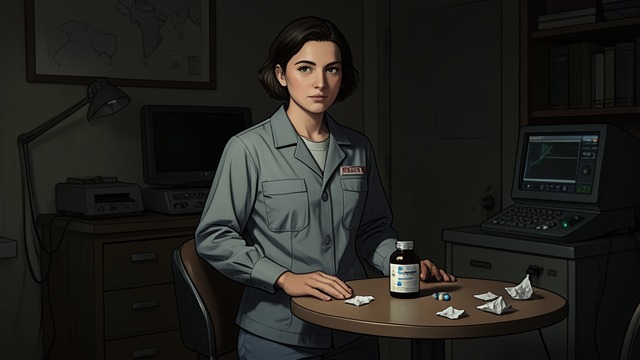
After receiving opioid medication for an illness, Tess experienced withdrawal when her supply ended. She sought pills through dealers and moved from snorting medication to heroin as prescription drugs became harder to obtain.
Functioning on the surface
Tess continued working and could appear capable to her family and coworkers. Her daily life increasingly revolved around obtaining drugs, maintaining enough money, and avoiding the physical pain of withdrawal.
The change was hard for relatives to recognize because employment and appearance seemed to contradict addiction. Tess’s story shows how dependence can deepen beneath a functioning exterior.
Motherhood and Treatment
Motherhood and Treatment
A discovery in jail
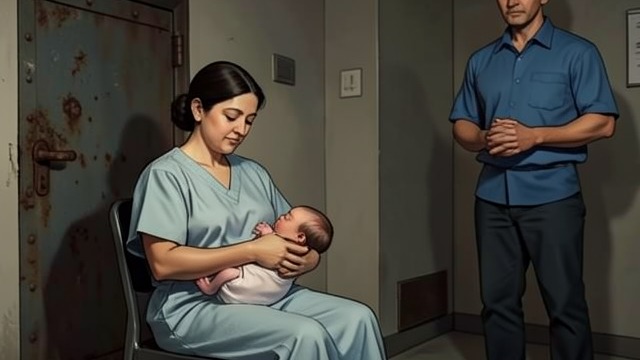
After an arrest, Tess learned she was pregnant and received medication to protect her and the fetus from sudden withdrawal. Her family arranged treatment, and she began buprenorphine under medical supervision.
A difficult system
Few programs would accept her while she was pregnant or taking medication. After giving birth, she faced costly appointments and treatment arrangements that did not always provide stable support.
Her son’s birth offered a reason to hope, but motherhood did not cure opioid dependence. The care system placed much of the burden on Tess and her relatives to navigate fragmented services.
Custody and Disappearance
Custody and Disappearance
A fragile household
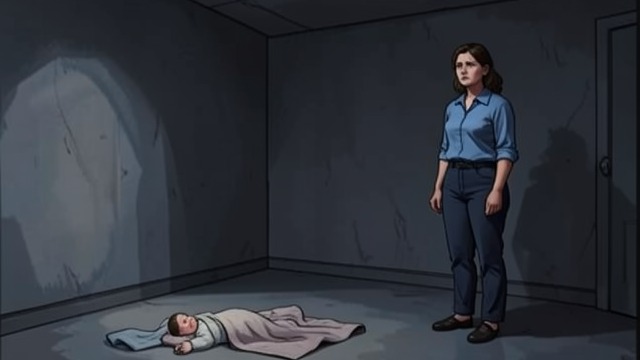
Tess relapsed while living with her mother, and concerns about her ability to care for her baby intensified. A court awarded custody to the grandmothers, and Tess could no longer live at Patricia’s home.
Help remains hard to secure
Tess moved among motels, shelters, hospitals, and the street. Hope volunteers and her family tried to find treatment beds, but eligibility rules, cost, medication policies, and her short-lived willingness to accept help repeatedly blocked a transfer.
The “liminal” moment of readiness was difficult to capture. Each lost opportunity deepened the distance between Tess and the stable life she wanted.
A Fatal Ending
A Fatal Ending
A hoped-for return
Tess remained homeless in Las Vegas but continued sending occasional messages to her mother and the author. Her family tried to arrange travel home and another treatment placement, while she said she intended to return.
The call after Christmas
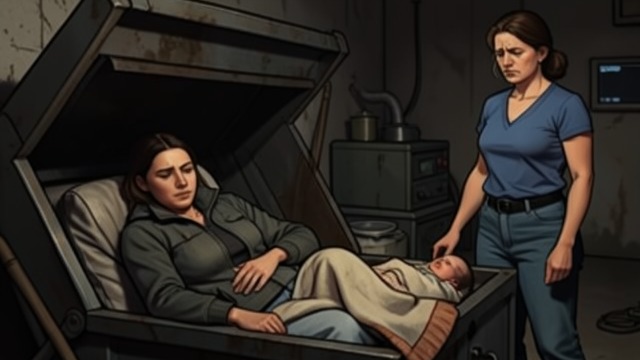
Police identified Tess after she was found dead in a dumpster. Her family faced a violent loss after years of debating how best to help her and trying to keep her alive.
Her death brings the book’s intimate and systemic narratives together. Love and repeated effort could not overcome an untreated, dangerous addiction in the absence of dependable support.
Before 2012, during Tess’s school and college years
2012–2014, as Tess’s opioid use became daily
2015, during Tess’s pregnancy and first treatment placement
2016, after Tess relapsed and lost custody of her son
December 2017, when Tess died in Las Vegas
