
Spencer Mumpower’s Long Return
DopesickThis thread traces Spencer Mumpower’s progression from suburban pill use to heroin, imprisonment, and a difficult return to life outside prison.
increasing Bearing strength in each event
 decreasing
Bearing strength in each eventdecreasingA Suburban Beginning

A Suburban Beginning
Access at home and school
Spencer Mumpower grew up in an affluent Roanoke County neighborhood and encountered leftover painkillers and ADHD medication through relatives and peers. His mother, Ginger Mumpower, tried to protect him while not yet understanding the scale of his experimentation.
Early escalation
Spencer began using and trading pills while still young. The suburban setting provided money, privacy, and access, allowing drug use to remain hidden longer than it might have in a community where consequences were immediately visible.
His story challenges the idea that addiction belongs only to places marked by poverty. Resources and social standing delayed detection, but they did not protect him from dependence.
Pills Give Way to Heroin
Pills Give Way to Heroin
Use becomes a way of life
Spencer traded stimulants and other drugs, then developed a serious heroin and methamphetamine problem. His family sent him to numerous treatment programs, but repeated attempts did not immediately change his desire to use.
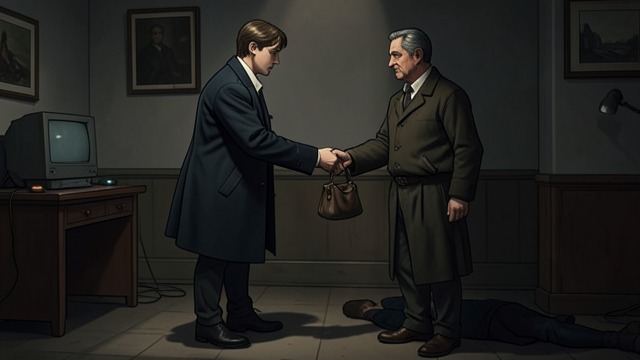
A fatal connection
Spencer supplied heroin to Scott Roth, who died of an overdose. Spencer’s role in the transaction tied the private life of a young user to the criminal consequences of a fatal drug supply.
The death forced a reckoning for both families. Spencer faced prison, while Robin Roth had to live with the loss of her only child.
Prison as a Turning Point
Prison as a Turning Point
Accountability and change
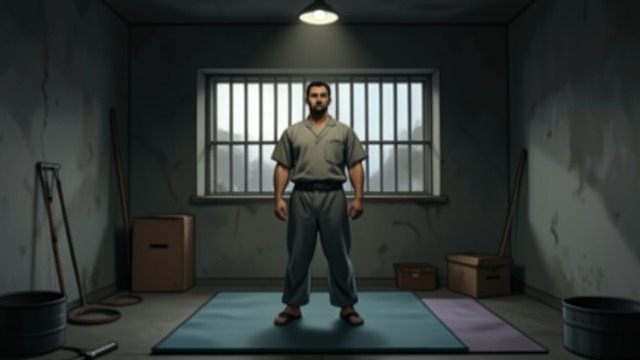
Spencer entered prison after pleading guilty in connection with Scott Roth’s death. His mother’s refusal to secure his early release gave him time to confront the consequences of his addiction and his choices.
A different routine
He had already begun replacing drug use with martial arts and structured activity. He also spoke with young people about hiding drugs and the need for parents to set consistent boundaries.
Prison did not function as treatment by itself, but Spencer described it as a moment when he began to want a sober life. The change depended on his own readiness and on support from others.
Release and Recovery

Release and Recovery
Freedom brings new strain
After years in prison, Spencer returned to a world that had changed. Driving, sleeping alone, and adjusting to ordinary life provoked anxiety, and he described lasting trauma from confinement.
A work-based future
He pursued martial arts work and hoped to move to another Virginia city. His sobriety rested on routines, family support, and a plan for employment rather than on the assumption that release itself meant recovery.
His return shows that reentry is a vulnerable phase. A prison sentence can end while the social and emotional work of rebuilding is only beginning.
The Cost of a Lost Future

The Cost of a Lost Future
A life reconstructed
Spencer remained sober and tried to establish a place in the recovery community. His family’s resources helped him find opportunities and maintain support that many people leaving prison do not have.
A wider comparison
His circumstances expose inequality in the chances people receive after addiction and incarceration. Other young people faced homelessness, relapse, and exclusion from work, while Spencer had a family able to help him navigate reentry.
His story offers hope without turning prison into a universal solution. Accountability mattered, but sustained recovery also required support and opportunity.
Early adolescence, before Spencer’s first regular drug use
Late 2000s, as Spencer moved from pills to heroin
2012, as Spencer prepared for federal prison
2017, after Spencer’s release from prison
Near the epilogue, as Spencer’s reentry continues
