
Joey Gilbert’s Narrow Window
DopesickThis thread follows Joey Gilbert’s long struggle with addiction, her family’s attempts to secure treatment, and the barriers that preceded her fatal overdose.
increasing Bearing strength in each event
 decreasing
Bearing strength in each eventdecreasingA Bright Beginning

A Bright Beginning
A distinctive personality
Joey Gilbert was remembered as funny, energetic, artistic, and particular about her clothes and appearance. Her friends described her as someone whose presence could enliven a room.
Early exposure
In high school, she entered a peer group where pills and other drugs circulated. Her later addiction developed within a social environment in which experimentation was common and danger was easy to underestimate.
The portrait of Joey is deliberately more than a record of her drug use. Her friends and family keep alive the person whose future addiction and death could otherwise eclipse everything else.
A Decade of Use

A Decade of Use
A recurring cycle
Joey used opioids over many years, with periods of attempted recovery followed by relapse. She had success with Vivitrol for a time, then faced changes in insurance and eventually transitioned to buprenorphine.
Care remains conditional
She encountered waiting lists, medication restrictions, and the expectation that she be drug-free before entering some programs. Her need for continued treatment collided with systems that made continuity difficult.
The trajectory was not a simple refusal of help. It included repeated efforts to find a form of care she could access and sustain.
A Family Reaches Out

A Family Reaches Out
A new attempt
Joey came to the Hope Initiative with her mother and tried an abstinence-based program. She left quickly when withdrawal became unbearable, explaining that she hoped to taper with Suboxone instead.
Support with limits
Jamie Waldrop and Cheri Hartman helped seek treatment and coordinate care. Joey’s father and mother contributed to the costs of medication, visits, and testing, but even family resources could not remove every barrier.
The episode shows the difference between motivation and access. Joey wanted to recover, but treatment options did not consistently match the medical and psychiatric needs she brought with her.
A Risky Taper

A Risky Taper
A difficult choice
The available residential program would not accept patients taking Suboxone. Joey decided to taper her medication to qualify, despite concerns that withdrawal and her mental-health needs could undermine the attempt.
Support cannot guarantee safety
Her father encouraged her, and volunteers worried about the risk. Joey called him in distress after another conflict, saying she did not want to die, but the treatment placement had not yet become a secure reality.
The requirement to be medication-free created a dangerous contradiction. A program intended to provide help demanded that she leave behind a treatment that had been helping her avoid relapse.
An Overdose Death
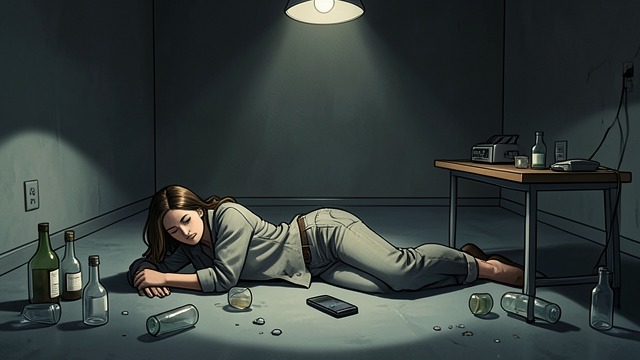
An Overdose Death
A delayed call for help
Joey overdosed on illicit methadone while with people who feared prosecution and did not immediately call emergency services. She died after lying in the house for hours.
A family’s grief
Her parents and friends mourned someone who had fought for recovery and repeatedly asked for help. Her death sharpened their belief that treatment barriers and the interruption of medication had mattered.
Joey’s story gives the system’s abstractions a name and a face. It ends not because she stopped trying, but because the protections available to her failed to arrive in time.
Before 2007, during Joey’s childhood and adolescence
2007–2016, as Joey moved from pills to heroin and treatment
Early 2017, as Joey sought help from the Hope Initiative
March 2017, as Joey prepared for a program that barred MAT
March 26, 2017, when Joey died in Roanoke County
