
The Mothers Who Organize
DopesickThis thread follows bereaved parents as private grief becomes public advocacy for treatment, accountability, and recognition of opioid deaths.
increasing Bearing strength in each event
 decreasing
Bearing strength in each eventdecreasingA Son’s Sudden Death
A Son’s Sudden Death
A word too late
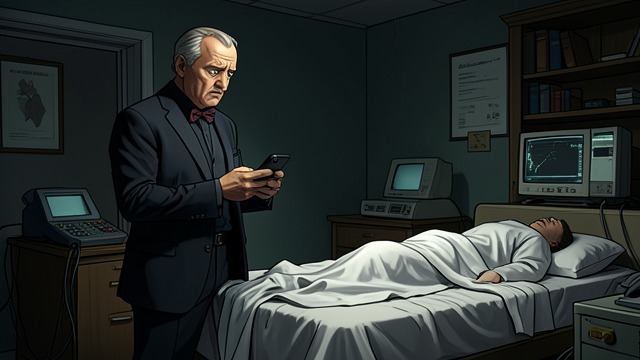
Ed Bisch returned home after learning that his teenage son had collapsed. First responders told him Eddie had taken “Oxy,” a drug whose name meant little to him until his son was dead.
Grief seeks information
Bisch discovered that other overdose deaths had already occurred nearby. His shock became a search for facts about the drug and the growing number of families facing similar losses.
The first step toward activism was not certainty but bewilderment. Bisch needed to understand what had happened and warn other parents before they received the same call.
A Memorial Becomes a Network
A Memorial Becomes a Network
Names and stories gather
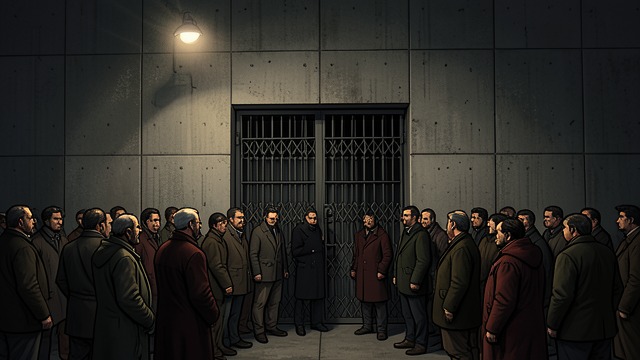
Ed Bisch created OxyKills.com as a memorial and a clearinghouse for reports on overdose. Parents across the country added the names of children and young adults who had died.
Grief becomes collective
Lee Nuss connected with Bisch after losing her son Randy. Families who had felt isolated found others asking similar questions about OxyContin, its approval, and the response of the company and regulators.
The memorial site made private losses visible as a public pattern. It offered grieving parents a place to speak when mainstream institutions had not yet organized a response.
Parents Challenge Purdue
Parents Challenge Purdue
Organizing in public
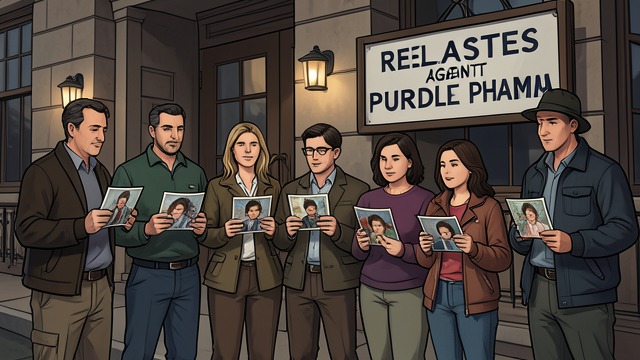
The families formed Relatives Against Purdue Pharma, held demonstrations, and pressed for prescription monitoring and stronger warnings. They stood outside events where Purdue Pharma appeared and brought photographs of their dead children.
Confronting a company
At the 2007 sentencing hearing, parents described their losses directly to Purdue executives and the judge. Their testimony asked the legal system to recognize harm that statistics and corporate language could obscure.
The parents’ campaign could not control the settlement terms. It nevertheless changed the public record by ensuring that family experience became part of the case.
A Wider Circle of Loss
A Wider Circle of Loss
Families speak openly
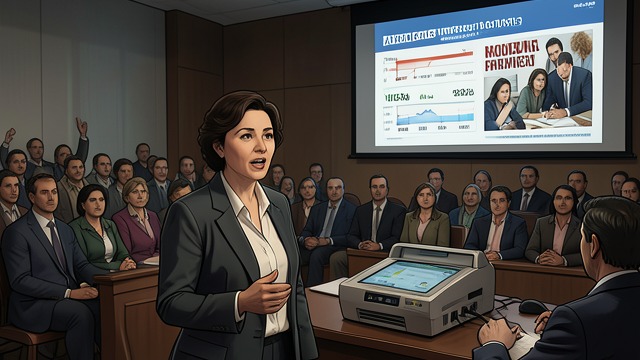
As heroin spread through suburbs and small towns, mothers such as Kristi Fernandez, Drenna Banks, and Janine Underwood confronted deaths, addiction, and uncertainty in public. The shame that once kept many families silent began to loosen.
Advocacy continues
Parents shared experiences at schools, clinics, and community meetings. They sought treatment for living children while also remembering those who had died and asking officials to respond.
Their stories connect the early OxyContin victims to a later heroin and fentanyl crisis. The family network grew because the losses did not stop with one generation or one drug.
Grief as Public Memory
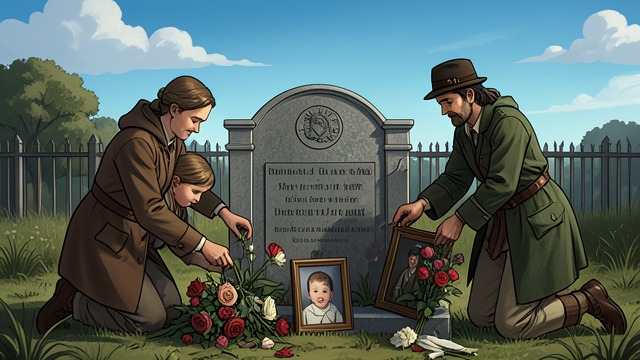
Grief as Public Memory
Ritual and remembrance
Parents maintained graves, planted sunflowers, carried photographs, and told stories about their children. These practices preserved individual lives against the reducing language of overdose statistics.
A demand for change
Remembering was also political. Families wanted treatment, research, healthcare reform, and leaders willing to confront the epidemic rather than stigmatize its victims.
Their advocacy could not undo deaths or guarantee recovery for survivors. It created a durable record of what the crisis had taken and what public responsibility might require.
February 2001, when Ed Bisch found Eddie dead
2001–2003, as OxyKills.com connected grieving families
2003–2007, as families organized protests and legal advocacy
2012–2017, as new Virginia families entered the public story
Near the epilogue, as families continue memorial work
