
The Epidemic Moves Across Regions
DopesickThis thread follows the crisis from Appalachian coalfields through suburbs and rural towns to a network of highways, dealers, and synthetic-drug supplies.
increasing Bearing strength in each event
 decreasing
Bearing strength in each eventdecreasingFirst Footholds

First Footholds
A vulnerable region
OxyContin gained an early foothold in communities where mining and factory jobs were disappearing. Work injuries, disability, and poverty made pain treatment a pressing need, while healthcare and recovery resources were scarce.
Local consequences
In Lee County, clinicians and police observed misuse, theft, and overdose. The drug’s presence became woven into household economies and everyday life, even as distant officials treated the reports as a regional problem.
The crisis began outside the places most accustomed to national attention. Its early geography helped conceal how widely the same forces could travel.
A Rural Warning
A Rural Warning
Distant communities, similar patterns
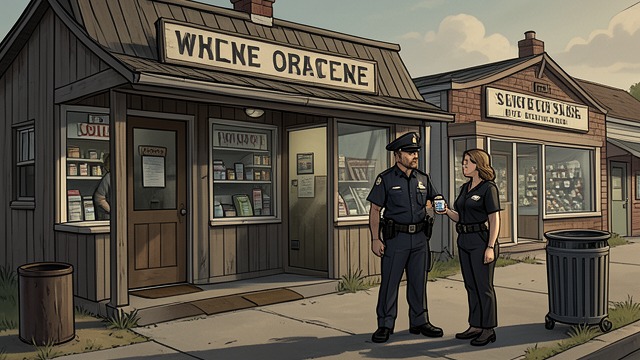
Reports from Maine described theft, prescription fraud, and rising arrests linked to OxyContin. In Virginia, community advocates recognized the same pattern in the coalfields and realized that the problem was not confined to one county.
An ignored signal
The common thread was not simply geography but the combination of expanded drug supply, economic strain, and inadequate treatment. Local warnings arrived before the broader public understood the scale of the danger.
The rural outbreaks foreshadowed a national crisis. Their isolation delayed recognition, but it did not prevent the epidemic from spreading.
Suburban Arrival

Suburban Arrival
The boundaries blur
Heroin use, once imagined locally as an urban and marginalized phenomenon, appeared among affluent young people in Roanoke County. A heroin scandal involving local television weather presenters briefly exposed the drug’s presence, but the larger pattern remained hidden.
Hidden Valley connections
Prescription pills circulated among teenagers and young adults, often supplied by families’ medicine cabinets. Some users moved from pills to heroin as dependence grew and illicit pills became harder to obtain.
The epidemic did not respect class or neighborhood boundaries. Its suburban phase became visible most forcefully when young people began dying.
The Highway Network

The Highway Network
Users become couriers
People dependent on heroin drove to Baltimore and other cities, buying enough for themselves and additional supply to sell. The trips connected small towns to established urban markets and turned ordinary highways into drug corridors.
Bulk distribution arrives
Ronnie Jones brought a much larger supply into Woodstock, where user-dealers and local customers helped build a regional market. Drug investigators saw how quickly the customer base could grow once heroin became readily available.
The geography of addiction was produced by movement as much as by place. Roads linked individual withdrawal crises to a scalable commercial network.
An Epidemic Without Borders
An Epidemic Without Borders
A changing supply
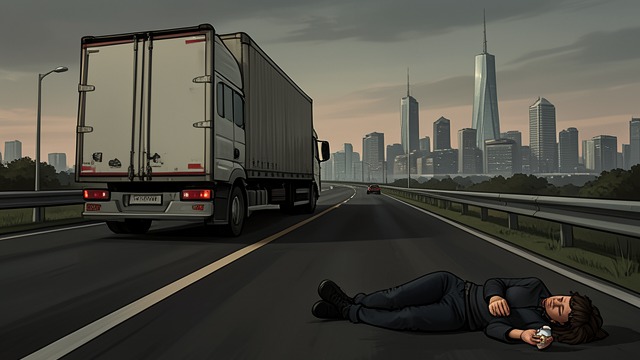
Fentanyl and related synthetics entered drug supplies through routes that could cross borders with little warning. Dealers and users often had no reliable way to gauge potency, while each interruption in supply could be followed by a new source.
Community-wide effects
Overdoses affected cities, suburbs, and rural towns alike. Families, hospitals, first responders, and schools encountered consequences that could no longer be described as someone else’s problem.
The crisis became national not because every community experienced it identically, but because the same drug supply and treatment failures reached them all.
Late 1990s, in Central Appalachia
Around 2000, as OxyContin misuse appeared in Maine and Virginia
2006–2012, as heroin reached Roanoke-area suburbs
2012–2013, as heroin distribution intensified along I-81
2015–2017, as fentanyl transformed local heroin markets
