
The Hope Initiative’s Limits
DopesickThis thread follows the volunteers’ attempt to move people from crisis toward treatment and the barriers that repeatedly interrupted the handoff.
increasing Bearing strength in each event
 decreasing
Bearing strength in each eventdecreasingA Plan on Paper
A Plan on Paper
A practical starting point
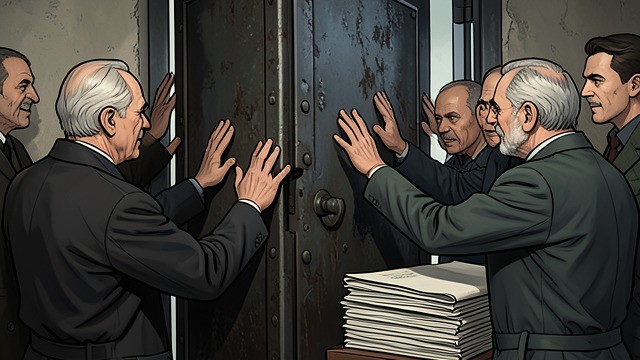
Local volunteers assembled a list of residential treatment and aftercare providers. They hoped to connect people with a suitable bed based on cost, availability, and program rules.
A volunteer model
Participants could meet trained helpers, get assistance with referrals, and seek help with insurance. The project aimed to bridge institutions that families found confusing and unresponsive.
The spreadsheet was an organized expression of hope. It also revealed how much the system expected volunteers to know about a fragmented treatment landscape.
The First Encounters
The First Encounters
A crisis arrives at the door
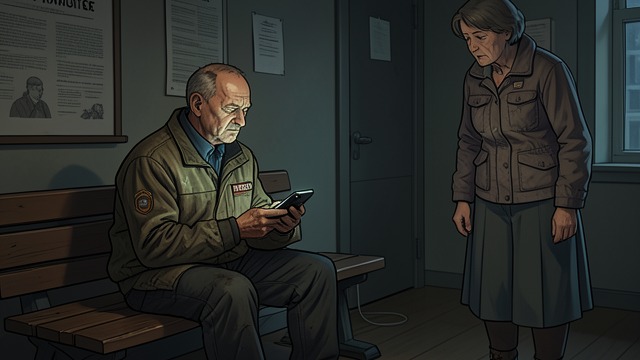
People came to the clinic with urgent needs, and volunteers received distress calls and texts beyond the program’s formal hours. Janine Underwood found herself serving as an informal crisis line while still grieving her son.
Numbers reveal the gap
Dozens of people sought help, but few reached residential treatment and only some found outpatient medication. A person’s willingness to accept help could disappear before a bed or funding was secured.
The program quickly learned that access was not a simple referral problem. It was a chain of capacity, timing, cost, and trust, any link of which could break.
John’s Transfer
John’s Transfer
Care at the bedside
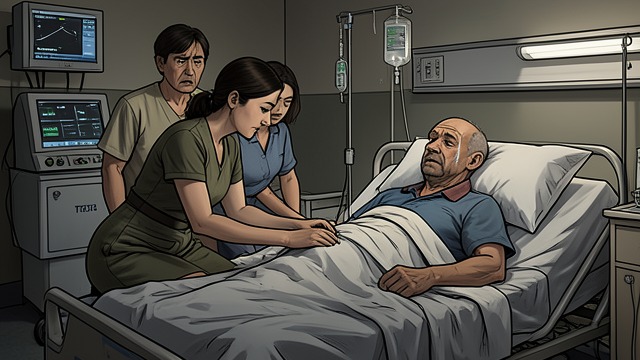
Janine Underwood stayed with a longtime heroin user who was severely ill and helped his family manage the transfer from hospital care into detox. She offered the comfort and practical attention the frightened family could not organize alone.
A narrow success
The patient asked to leave detox soon after admission, and volunteers worked to delay discharge and arrange the next placement. A family intervention and careful coordination finally helped him board a plane for residential care.
The handoff was a success, but it depended on exceptional personal labor. A service system should not require a bereaved volunteer to carry so much of a patient’s care.
A Lost Grant

A Lost Grant
Seeking a smoother route
Hospital and community advocates applied for funding to connect people revived from overdose with outpatient treatment. Emergency clinicians wanted a direct handoff rather than a list of phone numbers.
A setback for coordination
The grant was denied, leaving local workers to continue improvising. Treatment shortages, provider limits, and legal and financial hurdles remained in place while overdoses kept arriving.
The loss illustrated the distance between identifying an effective need and financing a response. Innovation could not scale without institutional support.
A Partial Record of Success
A Partial Record of Success
Work continues
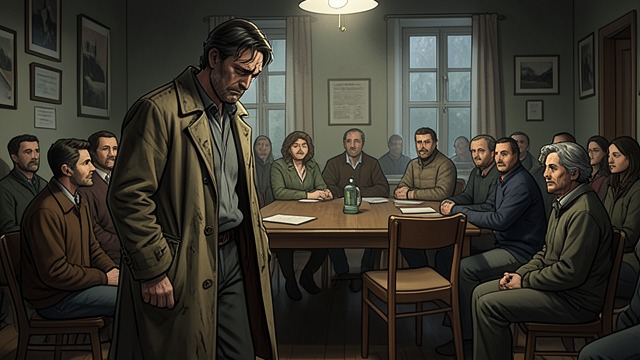
Some participants entered treatment or outpatient medication programs, while many others returned to use, disappeared, or died. Volunteers kept responding, though the emotional burden of repeated crises wore on them.
The scale mismatch
The number of people needing care exceeded the capacity of a small volunteer program. Its experience demonstrated that community commitment could open doors but could not replace a functioning treatment system.
The initiative’s outcomes were neither triumph nor failure. They were evidence of what local people could accomplish—and of how much larger the public obligation remained.
Late 2015–early 2016, as volunteers designed the Hope Initiative
Early 2017, during the program’s opening months
2017, during the first successful hospital-to-detox handoff
2017, after advocates sought funding for coordinated referrals
Late 2017, as the initiative assessed its first year
