
The Failure of a Quick Rehab Cure
DopesickThis thread examines the promise of short residential treatment and the recurring relapse that exposed the need for sustained, evidence-based care.
increasing Bearing strength in each event
 decreasing
Bearing strength in each eventdecreasingThe Twenty-Eight-Day Promise
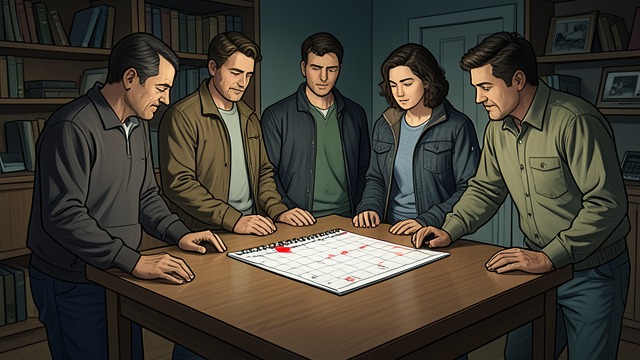
The Twenty-Eight-Day Promise
A familiar model
Residential programs offered families a clear intervention and a set period away from drugs. The model gained cultural authority through treatment traditions and popular depictions of recovery.
A mismatch for opioids
The book questions whether a short abstinence-based stay fits a chronic, relapse-prone disorder. Many people needed longer care, medication, or support after leaving the facility.
The appeal of a defined cure was understandable to families desperate for change. But the promise could exceed what the treatment model could reliably deliver.
Repeated Attempts
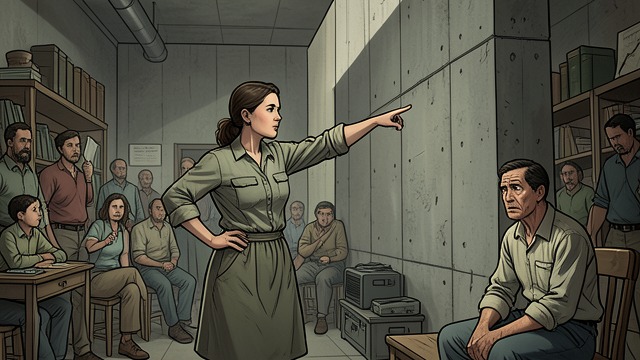
Repeated Attempts
Families keep trying
Ginger Mumpower sent Spencer to numerous treatment programs, and other families paid for residential care as addiction continued. Each return to use brought renewed fear and another costly attempt.
Relapse is misread
When treatment did not produce lasting abstinence, families could interpret relapse as failure of will or proof that recovery was impossible. The book instead describes relapse as common and treatment as a process requiring repeated support.
The repeated cycles exhausted families and finances. They also revealed the danger of measuring treatment by a short stay rather than by sustained recovery and survival.
A Costly Search

A Costly Search
Money buys possibilities
Families with resources paid for residential care, travel, and repeated admissions. Others could not afford another attempt even when the person was willing to go.
Care remains uneven
Programs differed in medication policies, aftercare, and clinical standards. A patient might be removed from medication before entry or leave treatment without an adequate next step.
The difference between families able to spend and those unable to pay became another determinant of survival. The treatment market did not ensure that expensive care was evidence-based or durable.
A New Evidence Standard

A New Evidence Standard
Maintenance gains recognition
Researchers and addiction clinicians argued that sustained methadone or buprenorphine can reduce overdose risk. Counseling and social support can complement medication rather than replace it.
Ideology remains powerful
Some programs and recovery groups continued to reject medication, describing it as substitution. This stance could exclude patients or push them into unsafe withdrawal before treatment.
The dispute was not merely technical. It concerned who gets to define recovery and whether lived survival counts when it includes medication.
Treatment as a Long Process

Treatment as a Long Process
Time matters
Experts described recovery as taking years and often requiring several episodes of care. Short-term treatment could be one useful stage but not a guarantee that dependence had ended.
Systems must stay connected
A stronger approach would link detox, medication, counseling, housing, and work. Continued support could help people survive relapse rather than treating it as grounds for exclusion.
The thread rejects the fantasy of a single dramatic cure. Recovery becomes more plausible when care persists after the first hopeful decision.
Late twentieth century, as short residential rehabilitation became influential
2000s–2013, as families sent young people through multiple rehabs
2013–2016, as families paid for treatment across state lines
2016–2017, as experts challenged abstinence-only treatment
Near the book’s ending, as advocates call for sustained recovery support
