
The Appalachian Health Wagon
DopesickThis thread follows Teresa Gardner Tyson and rural health workers as they provide care in communities underserved by insurance and treatment systems.
increasing Bearing strength in each event
 decreasing
Bearing strength in each eventdecreasingA Mobile Mission
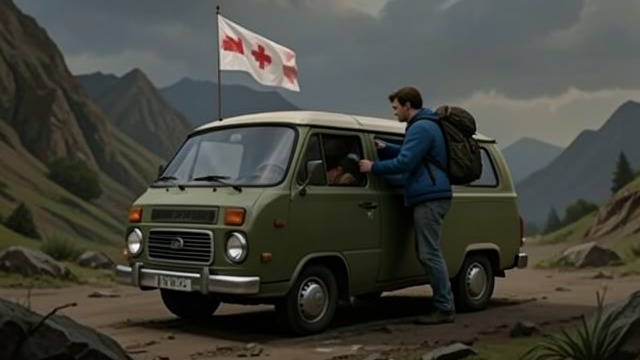
A Mobile Mission
Care on the road
The Health Wagon brought basic medical services to people in remote communities, continuing a mission first carried out from a small vehicle. Its mobile approach addressed distance and lack of insurance by taking care directly to patients.
A thin safety net
Residents often had few alternatives between charity care and waiting until illness became severe. Rural poverty made routine appointments, transportation, and medication difficult to afford.
The organization’s work placed health care gaps in plain view. A mobile clinic could help many people, but it also made visible the absence of consistent public provision.
Remote Area Medical
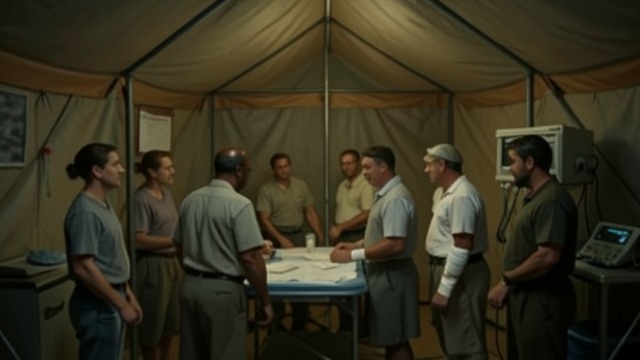
Remote Area Medical
A temporary clinic at scale
Remote Area Medical brought volunteer clinicians to the Wise County fairgrounds, where people camped and waited for medical, dental, and vision care. The event treated needs accumulated through years of limited access.
A striking contrast
The event’s size and conditions revealed how much routine care people had gone without. Dental disease, chronic illness, and addiction-related complications appeared together in the same temporary setting.
The outreach provided real help while underscoring that a yearly event could not substitute for ongoing care. Its spectacle drew attention to needs that otherwise remained largely invisible.
Stories Beyond the Event
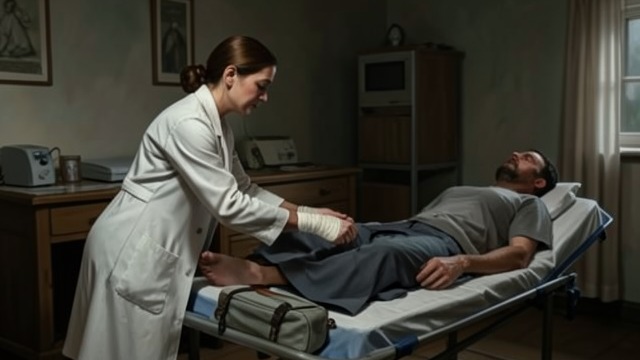
Stories Beyond the Event
Daily medical gaps
Teresa Gardner Tyson treated uninsured residents whose modest illnesses had become urgent because they lacked regular care. She also witnessed patients die after treatable disease had progressed beyond intervention.
Addiction and infection
Injection-related hepatitis C and the effects of opioid use placed additional burdens on people already struggling to reach specialists. Patients sometimes walked or hitchhiked to appointments because transportation was unavailable.
Tyson’s work linked addiction to the broader conditions of health care access. The harm did not end with overdose; untreated illness could continue long after drug use stopped.
A Syringe Exchange Debate
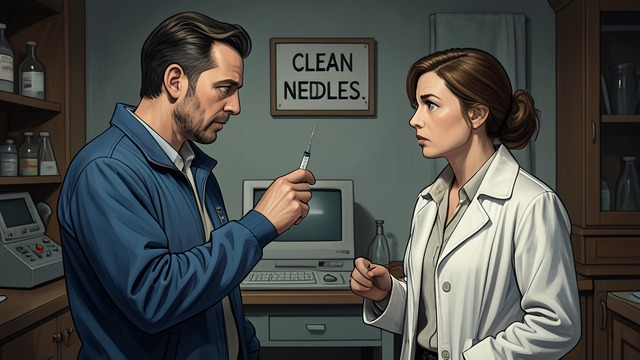
A Syringe Exchange Debate
Preventing disease
Public-health advocates supported clean needles, testing, and naloxone as ways to prevent HIV, hepatitis C, and overdose deaths. They argued that people should remain alive and connected to care even before they were ready to stop using drugs.
Local resistance
Some local officials and residents opposed syringe exchange, associating it with permissiveness or increased crime. In the coalfields, legislators resisted the approach despite evidence that such programs could reduce harm.
The conflict reflected stigma as much as policy. Health workers had to persuade communities that protecting lives was not the same as endorsing drug use.
Care as Community Infrastructure
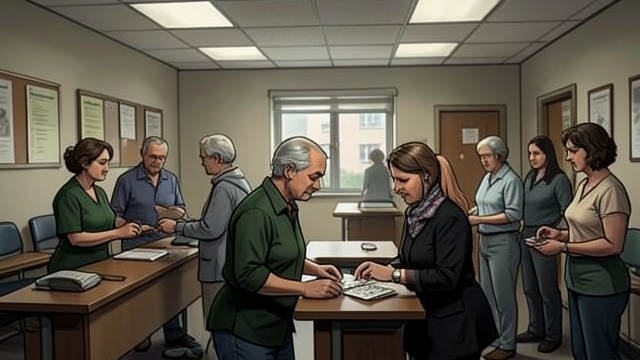
Care as Community Infrastructure
Beyond emergency outreach
Advocates proposed expanding medication treatment, screening, transportation, and supportive housing. They also connected health to education and jobs with living wages.
A broader definition of recovery
For rural communities, recovery meant more than getting a person through withdrawal. It required creating conditions in which people could remain healthy, work, and form relationships away from drug markets.
The Health Wagon represents local resilience, but also the cost of leaving care to local heroes. The closing argument calls for durable systems that do not depend on a volunteer’s exhaustion.
1980 onward, as the Health Wagon began serving rural Virginia
Summer 2017, during the annual Wise County medical outreach
2017, during Tyson’s visits to rural patients
2017, as Virginia communities considered syringe exchange
Near the book’s ending, as rural advocates call for investment
