
The Unequal Geography of Addiction
DopesickThis thread examines how race, class, and geography shaped who received opioids, who was recognized as a victim, and whose drug use was criminalized.
increasing Bearing strength in each event
 decreasing
Bearing strength in each eventdecreasingUrban and Rural Stereotypes

Urban and Rural Stereotypes
A familiar image
For much of the twentieth century, heroin was publicly associated with urban, marginalized populations. That image shaped which communities received attention and which were regarded as distant from the problem.
A hidden history
Earlier waves of medically initiated opiate dependence had affected people across social classes. As those users disappeared from public memory, addiction became more readily framed as a criminal or subcultural behavior.
The book shows how stereotypes distort both public recognition and policy. A crisis can be present for years before it is named when its victims do not match the dominant image.
Rural Communities Become Visible
Rural Communities Become Visible
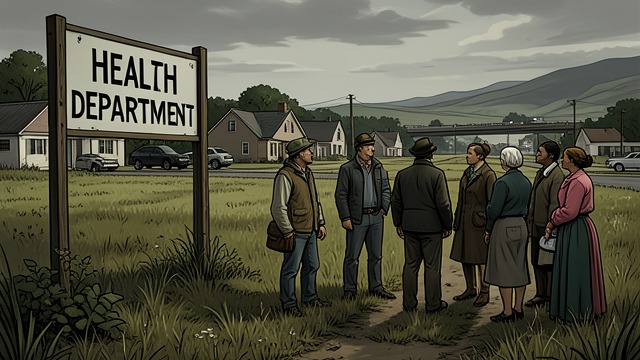
A crisis in overlooked places
The earliest modern opioid damage concentrated in rural and economically distressed areas. Local health workers warned that the problem was not simply a matter of individual misconduct but a public-health emergency.
Delayed attention
Officials and media often treated the outbreak as regional. The distance from political centers and shrinking local news coverage helped keep the crisis out of national view.
The rural experience became visible only after the consequences spread. Its early neglect forms one of the book’s central indictments of whose suffering attracts attention.
Suburban Recognition
Suburban Recognition
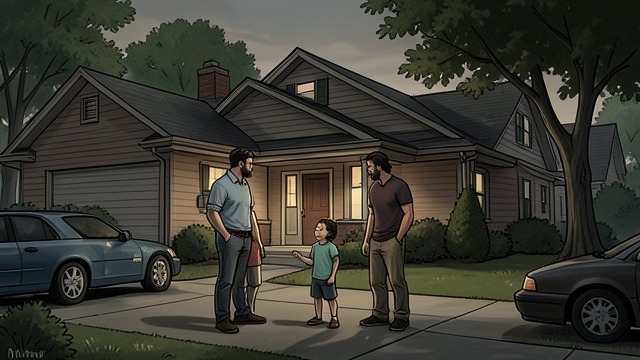
A changed public image
Heroin use among affluent young people challenged assumptions that addiction belonged to poor or urban communities. Reports of suburban overdoses drew attention that similar deaths in marginalized populations had not received.
Visibility follows proximity
Once parents saw their own children affected, the issue gained new urgency. The book questions why a crisis required crossing class and neighborhood boundaries before many institutions treated it as a shared emergency.
The suburban story broadens the account without displacing rural victims. It reveals how public concern is often distributed according to social familiarity.
Race and Prescription Access

Race and Prescription Access
Unequal prescribing
Researchers found that doctors prescribed painkillers to people of color at lower rates than to white patients, partly reflecting stereotypes about who might misuse drugs. The disparity had a protective effect against some forms of prescription exposure, but it reflected unequal medical treatment.
Unequal criminalization
At the same time, Black and Hispanic people were more likely to be arrested for drug offenses despite comparable or lower rates of use. Public language that called for treatment for white opioid users often coexisted with punitive responses to others.
The contrast exposes the racial asymmetry of the drug war. Who is seen as a patient, a threat, or a victim has never been neutral.
A Shared but Unequal Crisis

A Shared but Unequal Crisis
Common vulnerability
The opioid crisis reached rural, suburban, and urban communities and affected people across classes. No neighborhood could claim complete protection from a potent and widely distributed drug supply.
Different consequences
Communities did not have equal access to treatment, media attention, political influence, or freedom from criminalization. A universal public-health approach had to acknowledge those differences rather than erase them.
The book’s final perspective is both shared and unequal: the crisis belongs to the nation, but its burdens and remedies are distributed unevenly.
Before the late 1990s, as heroin was associated chiefly with cities
Late 1990s–2000s, as opioid deaths rose in Appalachian counties
2006–2012, as heroin reached affluent Roanoke County
By 2014, as researchers assessed racial differences in opioid deaths
2016–2017, as advocates called for a universal public-health response
