
The Logic of Dopesickness
DopesickThis thread traces withdrawal as the force that reshapes choices, sustains illicit markets, and makes addiction more than a simple matter of seeking a high.
increasing Bearing strength in each event
 decreasing
Bearing strength in each eventdecreasingThe Body’s Demand
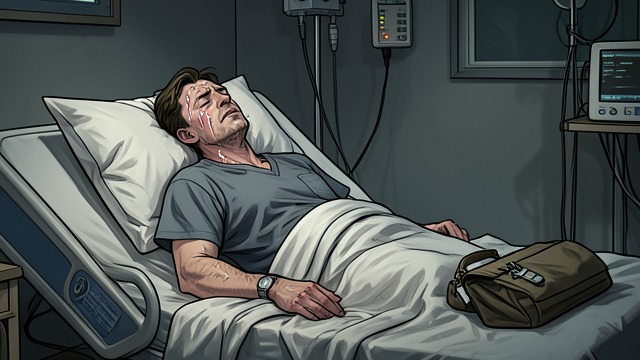
The Body’s Demand
Pleasure becomes avoidance
Many people began using opioids for relief or euphoria, but dependence changed the immediate goal. The next dose could become a way to stop vomiting, sweating, pain, and psychological distress.
A different motive
Families and officials sometimes interpreted continued use as a preference for intoxication. The people experiencing withdrawal described a more urgent calculation: secure the drug or endure a profound physical and emotional crisis.
Understanding withdrawal changes how the book frames behavior. It does not excuse harm, but it explains why ordinary appeals to willpower often failed.
A Market Built on Need
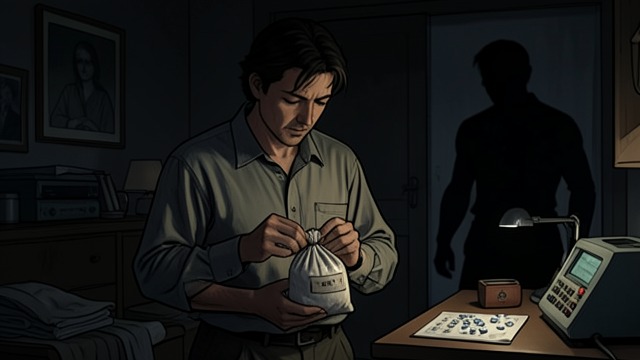
A Market Built on Need
User-dealers emerge
Some dependent users sold part of their supply, recruited new customers, or traveled to obtain heroin. Their goal was often not large profit but enough money and product to avoid withdrawal.
Demand replenishes supply
The cycle created new points of sale even after police removed a dealer. As one person became dependent, their need could draw others into the market.
The book’s account of the drug economy begins inside this repeated urgency. Dealers profited from the same fear of withdrawal that controlled the people selling beneath them.
Withdrawal in Treatment
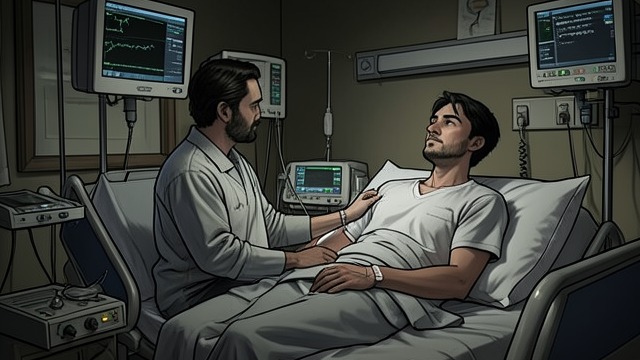
Withdrawal in Treatment
The cost of sudden stopping
People who entered abstinence-based programs or lost access to medication could face severe withdrawal. Some left detox early because the physical distress felt impossible to endure.
Medication changes the interval
Methadone and buprenorphine can reduce withdrawal and cravings, giving patients room to stabilize. Abrupt discontinuation or exclusion from programs could return people to street supply and overdose risk.
The dispute over medication was therefore also a dispute over whether withdrawal should be treated as a medical condition. The book shows how treatment rules could either buffer or intensify the crisis.
The Relapse Window
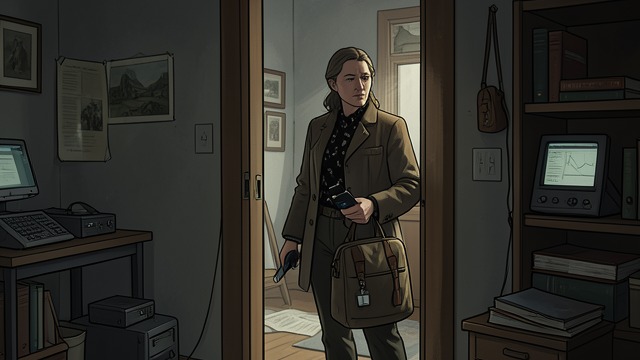
The Relapse Window
Readiness can be fleeting
A person might agree to treatment while sick, frightened, or newly aware of danger, then change their mind as withdrawal eased or a dealer called. Volunteers described this as a short window that required immediate action.
Systems move slowly
Applications, bed searches, payment arrangements, and transport could consume the very time when a person was willing to go. A delayed referral could become a lost chance.
The “liminal phase” gives a name to the unstable interval between crisis and care. It reveals how bureaucratic delay can have a bodily cost.
Seeing Beyond the High
Seeing Beyond the High
A different explanation
The book asks readers to see dependent users as people navigating a drug-hijacked system rather than as people who simply choose pleasure over family. Their actions can still cause harm, but the motives include fear, compulsion, and pain.
A basis for humane policy
Understanding withdrawal supports treatment, naloxone, and harm reduction. It also clarifies why punishment alone cannot remove the physical and social forces sustaining drug use.
The narrative’s language of dopesickness is both bodily and moral: a condition that narrows a person’s horizon. Seeing that narrowing is necessary for effective care and honest accountability.
Early in the modern epidemic, as prescription dependence spread
2000s–2010s, as users began selling drugs to finance use
2013–2017, as people entered detox or tried to taper medication
2016–2017, as families and volunteers watched brief moments of readiness
Near the book’s ending, as the author reframes addiction behavior
