
Tess and the System’s Treatment Maze
DopesickThis thread reframes Tess Henry’s path through pregnancy care, medication restrictions, custody, and homelessness as a case study in disconnected institutions.
increasing Bearing strength in each event
 decreasing
Bearing strength in each eventdecreasingPregnancy and Emergency Care
Pregnancy and Emergency Care
A hidden pregnancy
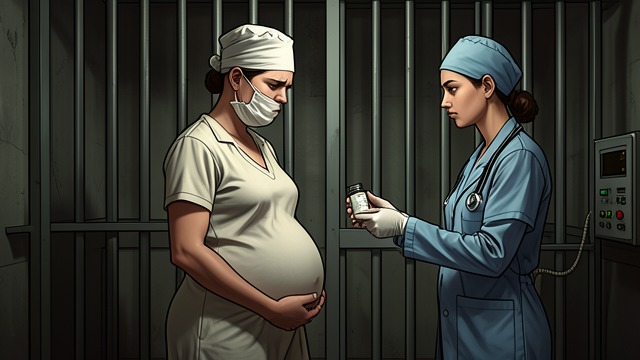
Tess was in late pregnancy when she was jailed after a theft arrest. Staff learned through routine screening that she was dependent on opioids and provided a small amount of medication to prevent dangerous withdrawal for her and the fetus.
A medical response within custody
The jail offered immediate protection that was not available through the scattered care she had previously navigated. Her pregnancy transformed an ordinary arrest into an urgent medical situation.
The event exposed how much of Tess’s health care depended on where she happened to be. A jail response could stabilize her briefly, but it could not provide a durable treatment path.
Treatment Rules Collide

Treatment Rules Collide
A rare accepting program
Tess and her family found a treatment facility willing to accept her while pregnant and taking buprenorphine. Private insurance and family payments covered much of the cost.
Policy changes after birth
After delivery, the hospital and providers offered inconsistent directions about medication and follow-up. Programs that might have helped her sometimes required detox from the very medication meant to protect her.
The care system’s boundaries shifted between institutions. Tess’s safety depended on family members coordinating decisions that should have formed a connected medical plan.
Motherhood and Stigma
Motherhood and Stigma
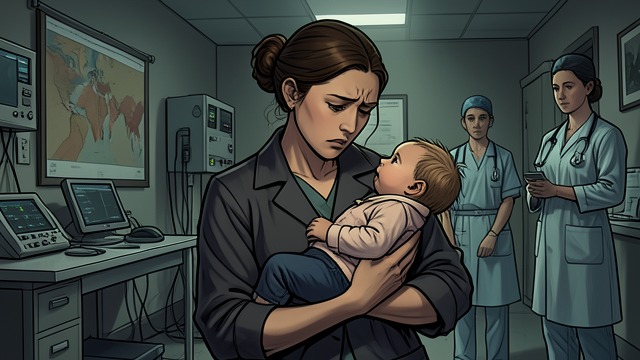
A protective mother
Tess showed intense protectiveness toward her baby after delivery. Medical staff recognized that some mothers with addiction were trying to demonstrate care after being judged by relatives and providers.
Support replaces blame
Hospital staff acknowledged that earlier attitudes had been harsh and uninformed. A more compassionate approach recognized that opioid dependence changes behavior and that mothers needed support to protect both themselves and their children.
The conflict was not simply whether Tess loved her child. It was whether institutions could support that love with effective treatment instead of stigma and inconsistent rules.
Custody and Insurance

Custody and Insurance
A court intervenes
After evidence that Tess was using drugs while responsible for her baby, a judge shifted custody to the grandmothers. Tess could no longer live at her mother’s home, reducing the family’s ability to supervise her and support treatment.
Coverage and access falter
Tess struggled to find a medication provider who accepted Medicaid and had room under federal patient limits. She had debts to a cash-only provider and little supply of medication while her legal and family situation worsened.
The institutions involved had different responsibilities but no shared plan. Custody, healthcare, and addiction treatment became competing pressures rather than coordinated protections.
A Treatment Bed Too Far Away
A Treatment Bed Too Far Away
The placement problem
Tess sometimes asked for help, but programs had differing medication rules, funding requirements, and admission procedures. By the time a bed could be found, she might leave the hospital or disappear.
A final attempt
Volunteers and family eventually arranged travel to Nevada for residential treatment. The program did not accept medication-assisted treatment, and Tess had stopped buprenorphine after losing access and insurance support.
The journey illustrates how a placement can appear successful while leaving medical continuity unresolved. Each transition created new risk, and no single institution took responsibility for the full path.
May 2015, when Tess was arrested while pregnant
Summer 2015, as Tess sought treatment before delivery
Late 2015–early 2016, as Tess cared for her newborn
March–June 2016, as Tess lost custody and struggled to maintain care
2016–2017, as volunteers tried to place Tess in residential care
