
Harm Reduction and the Right to Survive
DopesickThis thread follows the movement to reduce overdose and infection risk even when a person is not yet ready or able to stop using drugs.
increasing Bearing strength in each event
 decreasing
Bearing strength in each eventdecreasingA Basic Principle

A Basic Principle
Survival comes first
Harm reduction begins from the idea that people cannot recover if they die. Clean syringes, naloxone, wound care, and testing can prevent immediate harms while preserving contact with health services.
A contested approach
Critics sometimes interpret these measures as approval of drug use. Advocates argue that preventing infection and overdose is a practical response to behavior that treatment systems have not yet eliminated.
The disagreement reveals different definitions of responsibility. Harm reduction measures what helps people survive, rather than requiring proof of abstinence before care begins.
Needle Exchange Saves Contact
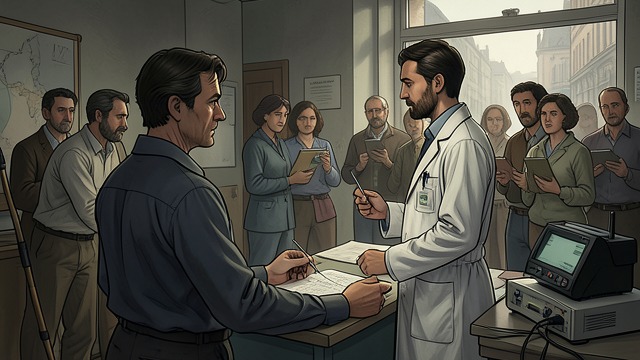
Needle Exchange Saves Contact
Health services meet people where they are
Needle exchanges provided clean equipment and could also offer testing, wound care, counseling, and referrals. They created a low-barrier point of contact for people who might avoid hospitals or formal treatment.
Evidence confronts fear
Programs in places such as Baltimore were associated with reduced injection-related HIV, while some officials still feared increased crime or drug use. The debate often continued despite evidence that exchanges did not produce the harms opponents predicted.
The exchange was not a cure for addiction. It was a bridge that could keep users alive and connected until other care became possible.
Naloxone and Overdose Reversal
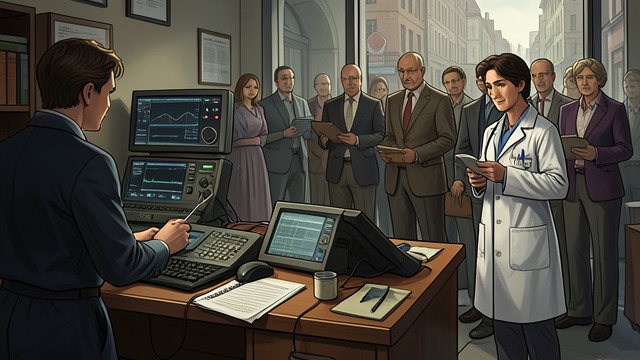
Naloxone and Overdose Reversal
Reversing an acute emergency
Naloxone can reverse opioid overdose and restore breathing long enough for emergency care. Families, police, and community organizations increasingly carried it as fentanyl made the drug supply more dangerous.
Rescue meets skepticism
Some critics argued that repeated reversals encouraged continued use or burdened taxpayers. Others saw each reversal as a chance to keep a person alive and connect them to treatment.
The debate concerned whether survival itself counted as progress. The book argues that keeping people alive is the necessary foundation for any longer-term recovery strategy.
Street-Level Support
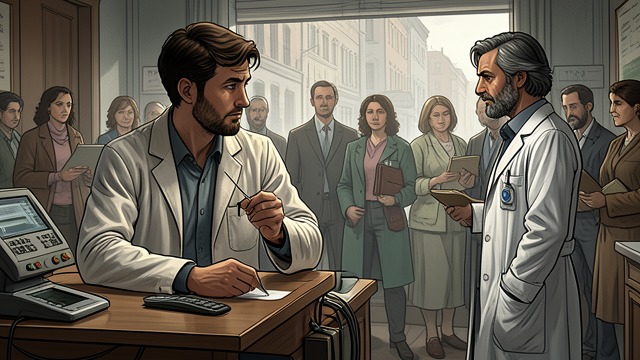
Street-Level Support
Care without perfect readiness
Services in Boston and other cities supported people who arrived while still using. Staff treated overdose, infection, and assault while keeping a route open to treatment for those who wanted it.
Trust is built through respect
Low-threshold care did not require people to present as fully prepared for recovery. It recognized that survival, safety, and connection can precede a decision to stop using.
The approach challenged institutions that made abstinence a condition of compassion. It showed that dignity can be part of effective public-health practice.
A Rural Test
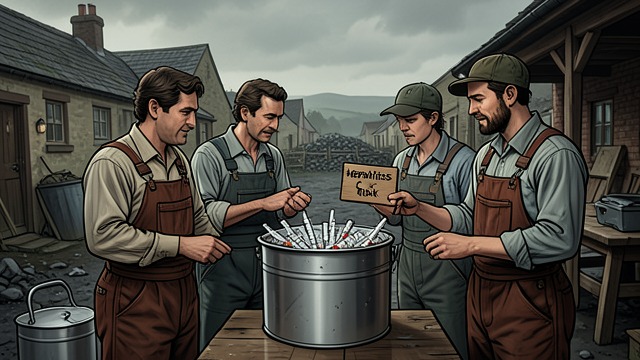
A Rural Test
Resistance in the coalfields
Public-health advocates in Virginia sought permission for syringe exchange as hepatitis C and HIV risks increased. Many local officials opposed the idea even though rural users faced long distances to care and high infection rates.
A practical alternative
Clinicians sometimes distributed supplies and taught people how to clean equipment, while working to establish formal programs. They also offered food and testing to encourage people to return for results.
The effort tested whether rural communities would accept prevention before the next outbreak. Harm reduction’s promise depended on making care accessible where people actually lived.
Before 2010, as harm-reduction practice developed in other countries
2000s–2015, as needle exchanges served urban and rural users
2015–2017, as naloxone access expanded
2016–2017, as peer workers and low-threshold services expanded
2017, as Virginia debated syringe-exchange authorization
