
The Family Cost of Addiction
DopesickThis thread traces how addiction reorganizes family life, transferring practical, financial, and emotional burdens to parents and relatives.
increasing Bearing strength in each event
 decreasing
Bearing strength in each eventdecreasingEarly Denial
Early Denial
A familiar child becomes hard to recognize
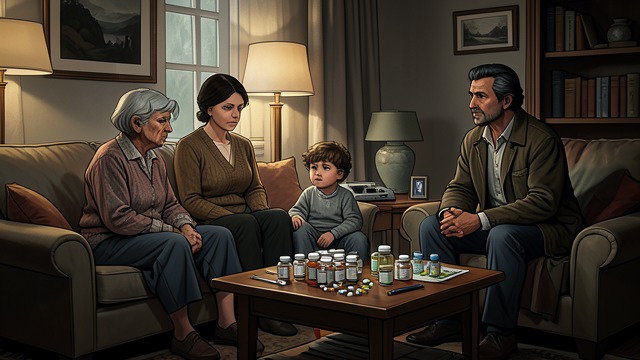
Families often noticed changes in mood, money, and behavior without recognizing opioid dependence. Parents could attribute problems to adolescence, anxiety, or other substances because prescription pills did not resemble their image of heroin addiction.
Shame delays disclosure
Some families feared judgment and avoided telling neighbors or seeking help. The secrecy reduced the chance to learn from other parents who had faced similar circumstances.
The book treats denial as a human response to frightening evidence, not merely a failure of attention. Families often lacked both information and a safe place to speak.
Homes Become Care Sites
Homes Become Care Sites
Daily vigilance
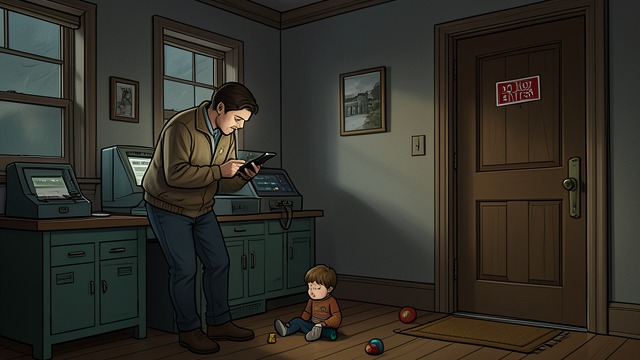
Parents hid jewelry and medication, checked bedrooms, watched bank accounts, and tried to keep children safe. Their houses became informal treatment and surveillance settings without clinical support.
Boundaries and dependence
Families debated when help became enabling. A parent might provide money, transportation, or housing to protect a child, then fear that the same support was sustaining drug use.
The domestic burden was constant and difficult to explain outside the family. Addiction changed the household into a place organized around crisis management.
Money and Unequal Options
Money and Unequal Options
Private resources matter
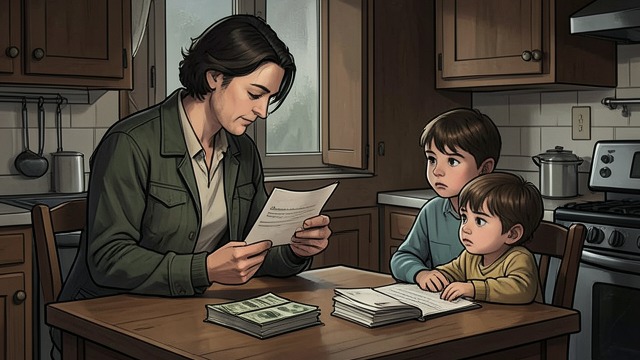
Some families paid tens of thousands of dollars for treatment, travel, legal help, and aftercare. Others could not afford a second admission or a long-term program even when they had insurance.
The cost continues
Families also paid for stolen property, debts, medical care, and childcare. A relative’s addiction could consume savings while leaving the family uncertain about what financial help would actually do.
The book shows that family devotion does not operate on equal terms. Wealth could buy additional chances, but it could not guarantee recovery or eliminate risk.
Siblings and Conflicting Care
Siblings and Conflicting Care
Different ideas of help
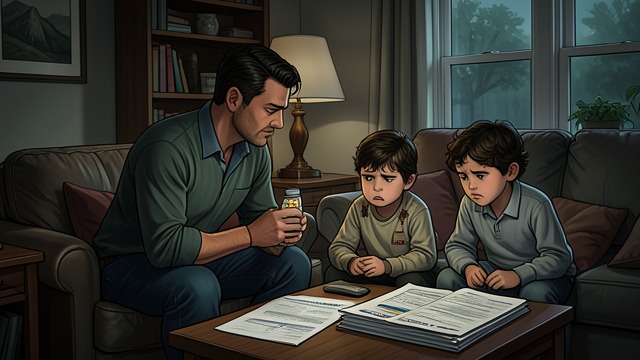
Tess’s family disagreed about medication, abstinence, financial support, and how much risk her mother should tolerate in the household. Siblings could feel hurt or alienated while parents focused on the person in immediate danger.
No simple rule
Tough love, continued assistance, and professional treatment each carried risks. Families had to make decisions without reliable guidance and often blamed one another after a relapse.
The disagreements reflected the absence of a coherent care system. Families were asked to make clinical and legal judgments while living inside grief and fear.
Survivors Carry the Story
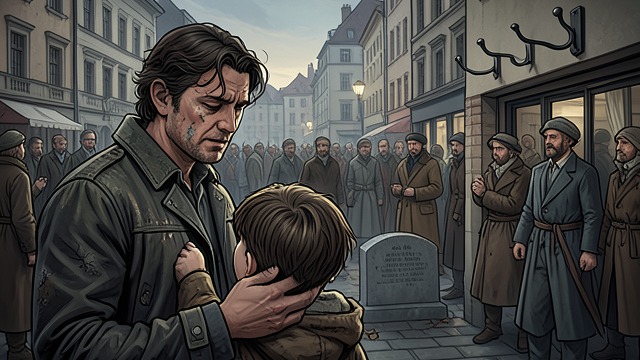
Survivors Carry the Story
Grief persists
Parents continued visiting graves, keeping photographs, and remembering habits and jokes long after the public attention moved elsewhere. The loss did not follow the calendar of a news cycle.
Care becomes an inheritance
Some survivors used their experience to support other families, speak at schools, and advocate for treatment. Their work gave grief a public purpose without suggesting it could be resolved.
The family thread ends with endurance rather than closure. Those left behind continue to carry both the person they loved and the unanswered questions of the epidemic.
Before the first major crisis in each family
2000s–2010s, as families tried to manage addiction at home
2012–2017, as families paid for treatment and legal consequences
2016–2017, as families disagreed over treatment and boundaries
Near the epilogue, as bereaved families continue advocacy
