
A More Nuanced Response to Pain and Addiction
DopesickThis thread follows the book’s effort to hold together legitimate pain care, addiction prevention, and the risk of overcorrection.
increasing Bearing strength in each event
 decreasing
Bearing strength in each eventdecreasingPain Is Real
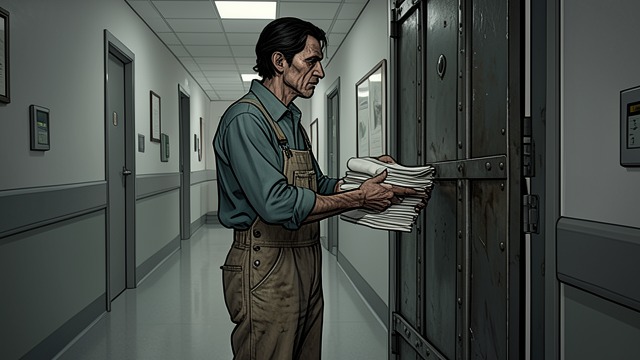
Pain Is Real
A necessary concern
Patients with cancer, injuries, and chronic conditions deserved meaningful relief. Medical professionals recognized that fear of addiction had sometimes left patients suffering unnecessarily.
A broad response takes shape
Hospitals and accreditation bodies strengthened pain assessment and treatment expectations. These changes aimed to improve care but did not settle what level of medication was appropriate for every patient.
The conflict began with a legitimate moral obligation. The book insists that the effort to prevent opioid harm must not erase the reality of pain.
Opioids Become a Default

Opioids Become a Default
A quick solution
Opioids were relatively inexpensive and easy to prescribe compared with some alternatives. Purdue Pharma’s message fit a medical environment increasingly measured by patient satisfaction and rapid pain relief.
Risk becomes less visible
Clinicians received confident assurances about addiction risk, while long-term evidence remained limited. Patients sometimes received large prescriptions for conditions that might have been managed through other approaches.
The shift was not the result of a single cause. It emerged from pharmaceutical promotion, insurance incentives, changing standards, and a medical culture seeking an efficient answer.
A Backlash Begins

A Backlash Begins
Clinicians reconsider exposure
Evidence of overdose and dependence led policymakers to encourage more cautious prescribing. Some medicines were rescheduled and guidelines urged doctors to reassess long-term opioid treatment.
Patients fear abandonment
Some people with legitimate pain experienced sudden dose reductions or treatment discontinuation. The movement against overprescribing risked creating a new problem when physicians responded with blanket refusal.
The conflict became a pendulum between excess and abandonment. A responsible response had to distinguish an individual patient’s needs rather than treating all opioid use as identical.
Balancing Prevention and Care
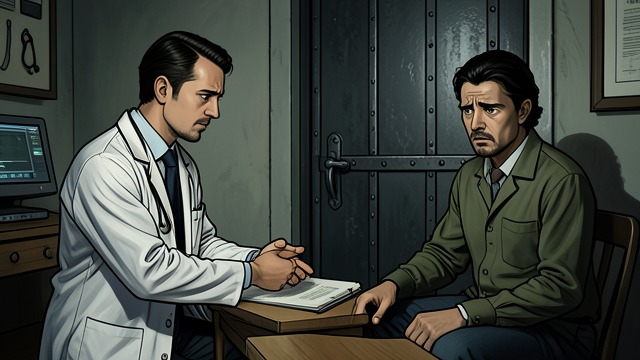
Balancing Prevention and Care
Better assessment
Clinicians emphasized function, alternative treatments, monitoring, and careful evaluation rather than treating a pain score alone as a prescription. Education about addiction and opioid-induced hyperalgesia became increasingly important.
Individualized decisions
Some patients needed ongoing medication, while others faced serious risks from long-term exposure. The book argues for transparent discussion, gradual changes when appropriate, and access to pain specialists and non-opioid care.
The goal is not a return to unrestricted prescribing. It is a system capable of treating pain without repeating the promotional certainty that fueled the epidemic.
A Duty to Keep Learning

A Duty to Keep Learning
New drugs will arrive
Pharmaceutical companies will continue producing drugs with medical value and potential danger. Society cannot rely on the hope that every new medication will be safe simply because it is approved or marketed responsibly.
Institutions must remember
Doctors, regulators, and patients need better evidence and stronger safeguards. Historical memory and transparent science can help prevent enthusiasm from outrunning knowledge.
The conflict ends as an ongoing obligation. Better care requires holding relief and risk in view at the same time.
Throughout the 1990s, as clinicians confronted undertreated pain
1996–2005, as pain standards and marketing reinforced opioid use
2010–2016, as prescribing restrictions and overdose deaths increased
2016–2017, as doctors and advocates sought more careful practice
At the book’s close, as the author considers future prescribing
