
The Drug Courts’ Divided Promise
DopesickThis thread traces drug courts’ capacity to coordinate accountability and treatment, alongside their resistance to medication-assisted care.
increasing Bearing strength in each event
 decreasing
Bearing strength in each eventdecreasingA Different Courtroom Idea
A Different Courtroom Idea
Treatment within justice
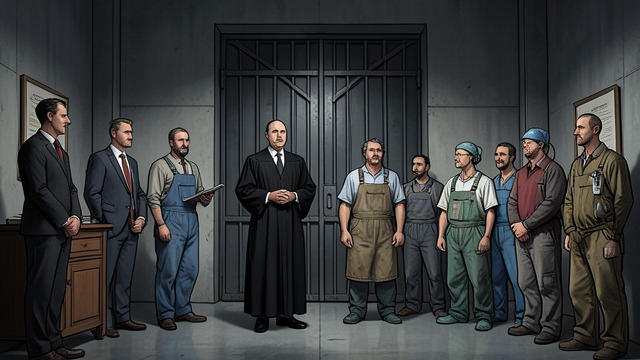
Drug courts brought judges, prosecutors, defense attorneys, and treatment providers together to supervise participants. They offered a path away from ordinary prosecution when people completed demanding programs.
A mixed mission
The model combined support with testing and swift sanctions. It recognized that drug-involved offending might require treatment, while retaining the power to punish relapse or noncompliance.
The drug court offered a potential bridge between systems that often worked at cross-purposes. Its effectiveness depended on whether medical evidence could influence its rules.
A Local Success
A Local Success
Intensive supervision
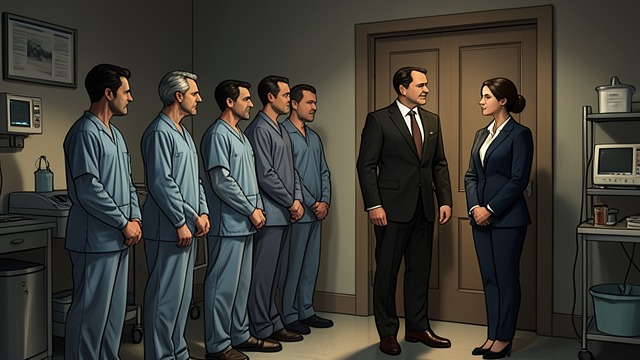
Participants received monitoring, support, and consequences for renewed drug use or criminal behavior. Judge Michael Moore also enlisted community employers to help participants find work.
A door remains narrow
The court could offer structure, but the surrounding region lacked enough treatment and housing. Some families wanted a place in the program even before their children had been charged with an offense.
The court showed that accountability and practical assistance could coexist. Its promise remained limited by the resources and treatment options available to participants.
Medication Becomes the Fault Line
Medication Becomes the Fault Line
Courts reject prescribed care
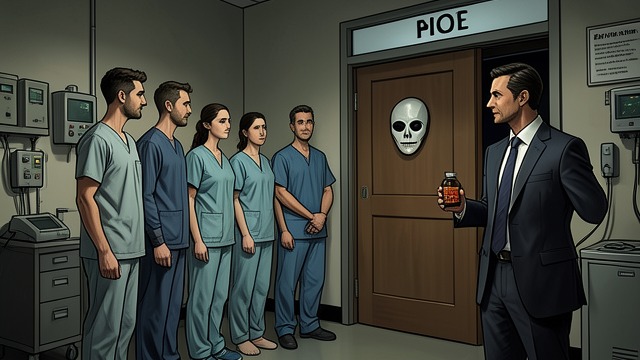
Many Virginia drug courts barred methadone or buprenorphine because judges and law-enforcement officials viewed them as replacing one opioid with another. Patients could therefore be forced to stop medication to remain eligible.
Clinicians challenge the rule
Doctors argued that maintenance treatment reduced overdose risk and should be treated as medicine. They pointed to relapses following forced tapering and to patients who rebuilt their lives while on medication.
The conflict exposed a fundamental boundary problem: courts were determining which medications participants could use. Legal supervision had become a gatekeeper for medical care.
The ADA and Medical Authority
The ADA and Medical Authority
Rights enter the debate
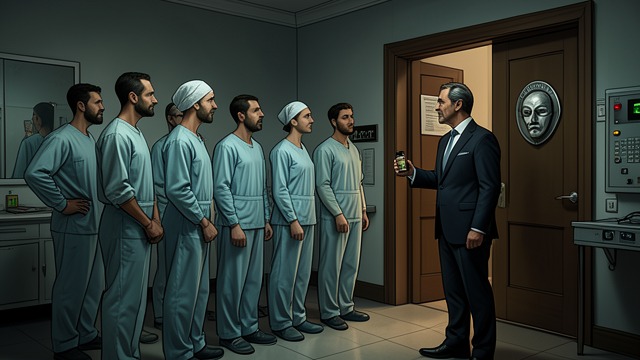
Advocates argued that denying prescribed medication to people with opioid-use disorder could violate disability protections. They compared the practice to withholding medicine from people with other chronic diseases.
Courts reconsider
A Kentucky decision and federal policy pressure encouraged some courts to permit medication-assisted treatment. Resistance remained, especially where diversion and poorly supervised clinics had undermined trust.
The shift did not make medication a perfect solution. It established that treatment decisions should involve evidence and qualified clinicians rather than categorical judicial bans.
A Court That Connects Systems
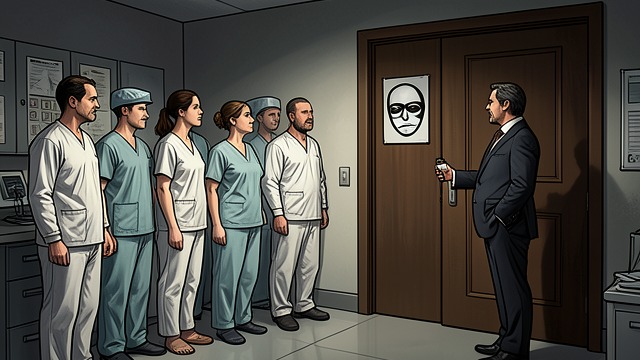
A Court That Connects Systems
Accountability with support
The strongest model combines monitoring with medication, counseling, work, and stable housing. Participants face consequences, but treatment is not withheld when relapse risk is high.
A broader purpose
Drug courts can help coordinate services, yet they cannot replace a functioning public-health system. Their success depends on access to care rather than the threat of incarceration alone.
The thread ends with a possibility: justice can protect communities while supporting recovery. That requires courts to recognize the difference between enforcing rules and practicing medicine.
1990s–2000s, as drug courts expanded across the United States
2010s, as Russell County’s drug court developed
2013–2016, as judges debated buprenorphine and methadone
2016–2017, as advocates challenged treatment exclusions
Near the book’s ending, as advocates call for coordinated care
