
The Geographic Cure
DopesickThis thread follows the hope that moving away from a drug-using environment can support recovery and the limits imposed by drugs’ widespread availability.
increasing Bearing strength in each event
 decreasing
Bearing strength in each eventdecreasingAn Old Idea

An Old Idea
Place shapes behavior
Researchers observed that a person’s surroundings could influence drug use. The idea of leaving a familiar place offered a way to break ties with people, routines, and settings associated with addiction.
A partial solution
Changing location could help some people, but it did not remove dependence, trauma, or the need for care. The concept became known as the geographic cure, an option that depended on resources and social support.
The book treats geography as influential but not decisive. Place can create triggers and opportunities, yet recovery also requires relationships and meaningful alternatives.
Returning to Small Towns
Returning to Small Towns
The old boundaries disappear
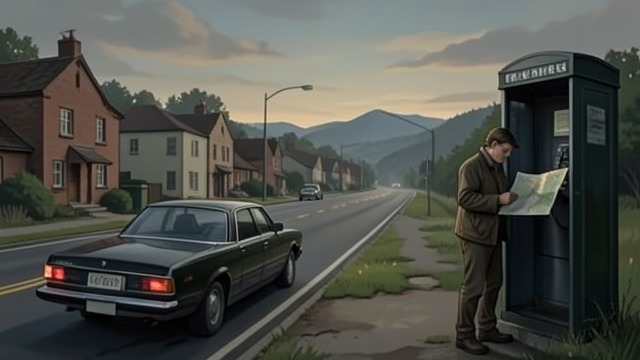
Heroin had once been associated mainly with large cities, but prescription supply and later dealer networks carried opioids into rural towns. Users could no longer assume that moving away from a city meant moving away from drugs.
Local networks persist
People trying to relocate found drug contacts in new towns or continued to reach supply by phone and highway. The drug market adapted faster than many people could establish a sober support system.
The geographic cure became harder as opioids grew more available. Changing scenery could help, but the supply itself had become national and mobile.
A Young Man’s Move
A Young Man’s Move
Searching for a sober culture
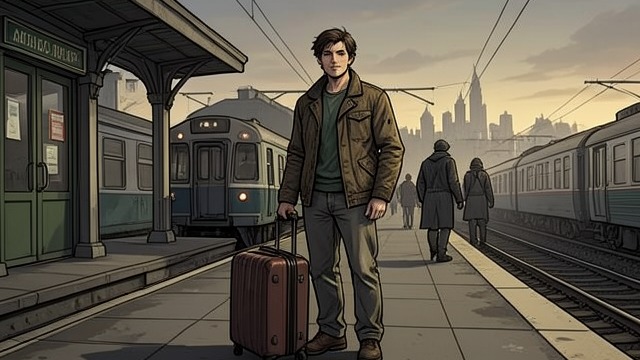
After repeated relapse and the death of Jesse Bolstridge, Dennis Painter considered moving to a city with more recovery support and better employment. He hoped a new setting might help him break old routines.
The problem follows
He had already changed towns and found people who used drugs in each place. The availability of heroin and the pull of familiar contacts meant relocation did not guarantee safety.
His plan illustrates the desire for a clean break and the obstacles that undermine it. A move can open possibilities, but recovery cannot rely on geography alone.
Spencer’s Reentry Move
Spencer’s Reentry Move
A chosen departure
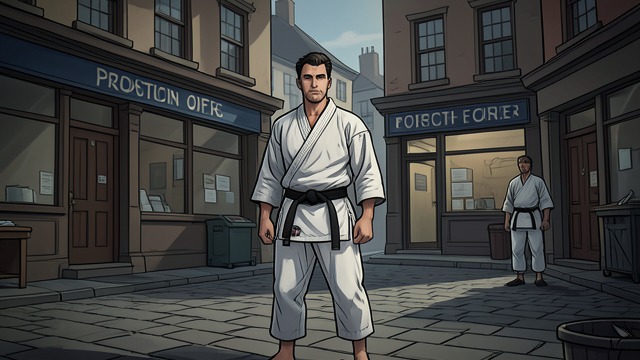
Spencer Mumpower hoped to relocate within Virginia for work connected to martial arts. He sought a new environment and routine after prison, while still depending on family and supervision.
Recovery needs more than distance
His plan required employment, permission from a probation officer, and ongoing support for anxiety and trauma. Moving could help him create a new identity but could not erase the effects of incarceration.
The contrast with Dennis’s repeated moves shows that geography works differently for different people. Opportunity and support determine whether a new place can become a real beginning.
Reinforcement and Belonging
Reinforcement and Belonging
Building a life around more than drugs
Researchers emphasized rewarding activities, relationships, work, and play as essential parts of recovery. A person needs meaningful reasons to remain in a community beyond avoiding a drug supply.
Communities can change the equation
Recovery housing, treatment, employment, and social connection can make a place safer and more sustaining. Without those supports, moving simply relocates a person’s vulnerability.
The geographic cure becomes less about distance and more about what a destination can offer. Recovery needs a place where a person can build a life, not merely escape a street.
1930s–1970s, as researchers and institutions considered environmental change
Late 1990s–2010s, as opioid markets reached rural communities
2016–2017, as Dennis Painter considered moving to a larger city
2017, as Spencer Mumpower planned a move after prison
At the book’s close, as advocates consider what helps people stay well
