
A Community Answer
DopesickThis thread follows the book’s concluding movement from institutional failure toward local cooperation, practical care, and a broader vision of hope.
increasing Bearing strength in each event
 decreasing
Bearing strength in each eventdecreasingThe Scale of Need
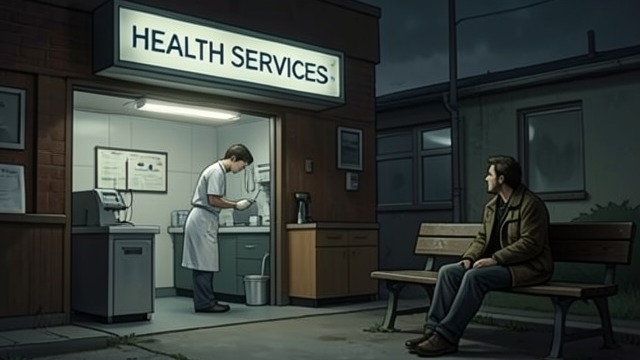
The Scale of Need
Care arrives late
At outreach events and mobile clinics, residents sought help for dental disease, chronic illness, infection, and addiction-related harm. Many had delayed care because they were uninsured or unable to travel.
Individual kindness is not enough
Health workers and volunteers did what they could, but the volume of need exceeded their capacity. Their dedication could not replace insurance, clinics, treatment beds, and stable public funding.
The book’s closing perspective begins with the visible scale of unmet need. Hope must be measured not only by compassion but by whether communities build reliable systems of care.
The Work of Local Leaders
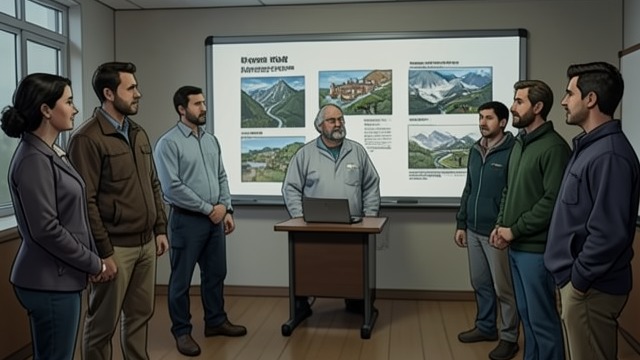
The Work of Local Leaders
Collaboration takes shape
Clinicians, judges, researchers, churches, and recovery advocates began working together on treatment, housing, employment, and medication access. Their collaborations challenged the assumption that each institution could address addiction alone.
Trust has to be earned
Projects such as Overmountain Recovery faced public opposition and had to answer community concerns in person. Organizers persisted through repeated meetings rather than treating resistance as a reason to withdraw.
Local leadership did not solve national failures, but it created practical models. Its importance lay in connecting people who had previously worked in separate systems.
A Place for the Least Served
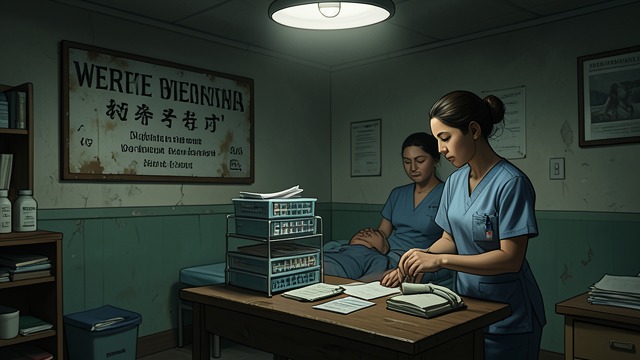
A Place for the Least Served
Care reaches remote communities
Teresa Gardner Tyson and her staff took medical care along difficult rural roads to people with few other options. Their work included treatment, testing, referrals, and efforts to prevent overdose and infection.
Dignity changes the encounter
Patients who expected to be judged described being treated with kindness. That experience could make them more willing to return, seek help, and trust health workers.
The book’s moral framework asks what a society owes people with the least power. A clinic’s kindness matters, but it also points toward a larger obligation to make care dependable.
The Limits of Heroism
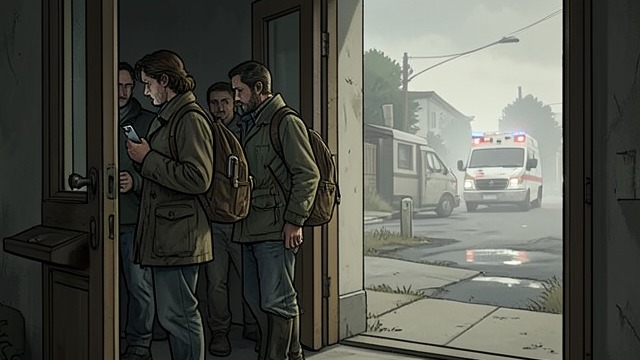
The Limits of Heroism
Volunteers carry too much
Parents and local workers took calls, arranged transportation, searched for beds, and stayed with people in crisis. Their labor saved some lives but left many volunteers exhausted and grieving.
Public systems remain necessary
A community cannot rely indefinitely on bereaved parents and unpaid helpers to substitute for treatment infrastructure. Sustainable care requires funding, trained professionals, and institutional coordination.
The book honors local heroes without romanticizing their burden. Their commitment should inspire public responsibility, not excuse its absence.
A New Deal for Recovery
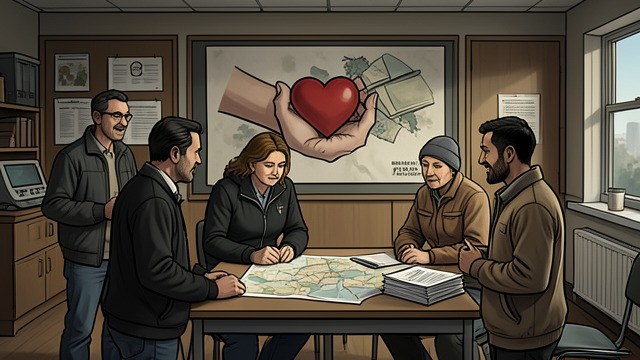
A New Deal for Recovery
Beyond slogans
The author rejects moralistic slogans and calls for treatment, prevention, healthcare access, harm reduction, and jobs that offer a future. The opioid crisis demands more than arrests or warnings to young people.
Hope becomes policy
A national response would connect evidence-based care with community investment and meaningful work. It would treat people with addiction as members of society whose lives remain worth protecting.
The ending offers hope as a demand rather than a prediction. Communities can help, but the national response must match the scale and duration of the crisis.
2016–2017, as rural health outreach revealed unmet needs
2016–2017, as doctors and organizers built rural partnerships
2017, as the Health Wagon continued work in the coalfields
Late 2017, as volunteers confronted burnout and repeated losses
At the book’s conclusion, as the author calls for national action
