
The FUBI Network
DopesickThis thread follows the investigation that uncovered Ronnie Jones’s heroin network, its expansion in the Shenandoah Valley, and its dismantling without ending local demand.
increasing Bearing strength in each event
 decreasing
Bearing strength in each eventdecreasingA Sudden Surge

A Sudden Surge
A small-town transformation
Brent Lutz returned to narcotics work and found heroin use expanding rapidly. Overdose deaths, property crime, and signs of dependence appeared in a community where police had previously seen far fewer heroin users.
First suspects
Investigators focused on Charles Smith and Pete Butler, workers at George’s Chicken who helped distribute heroin. Their activity suggested that the local dealers were connected to a larger supplier.
The speed of the change unsettled officers and families alike. Local users and supply routes existed before the investigation identified who was driving the new scale of distribution.
A Hidden Supplier
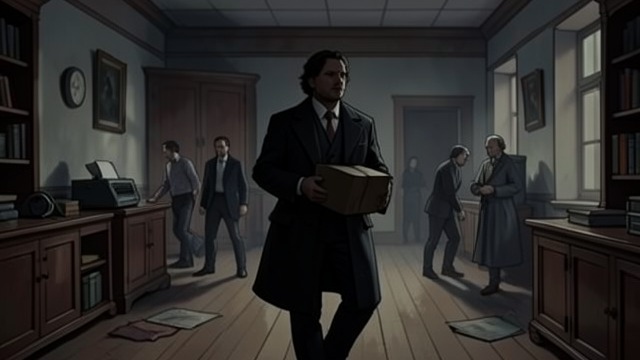
A Hidden Supplier
Rumor becomes a lead
The suspected supplier was known as D.C. He moved bulk heroin into the region, using intermediaries and concealed shipments while keeping a low public profile.
A profitable rural market
Heroin bought cheaply in Harlem could command far higher prices in small towns. The limited competition and dependence among customers made rural distribution attractive to dealers who could avoid some urban risks.
Investigators were confronting a business model that manufactured a local supply where demand had previously been less visible. Each new intermediary widened the network’s reach.
The Traffic Stop

The Traffic Stop
A chance opening
A minor traffic stop led to a high-speed chase and the arrest of a driver connected to the distribution network. Federal investigator Bill Metcalf had already been arranging undercover purchases through an informant.
A name emerges
After his arrest, Devon Gray offered information about the person who controlled the supply. He identified D.C. as Ronnie Jones, giving investigators a name to connect with the evidence they had gathered.
The break depended on cooperation from a participant in the illicit market. That testimony opened the way to a larger case, while also highlighting how prosecutions rely on people seeking reduced sentences.
The Arrest and Raids

The Arrest and Raids
A coordinated operation
After months of surveillance and recorded buys, officers arrested Ronnie Jones and searched properties connected to him and his associates. They seized heroin, cash, firearms, and other evidence while investigators moved quickly to prevent the network from alerting its remaining members.
The local aftermath
The investigation disrupted a major source of heroin in the area. But many low-level participants were themselves dependent, and the arrest did not erase the addiction or the demand that sustained the business.
The operation was a major law-enforcement achievement and an incomplete public-health intervention. The underlying market was ready to re-form around other suppliers and sellers.
A Network Dismantled
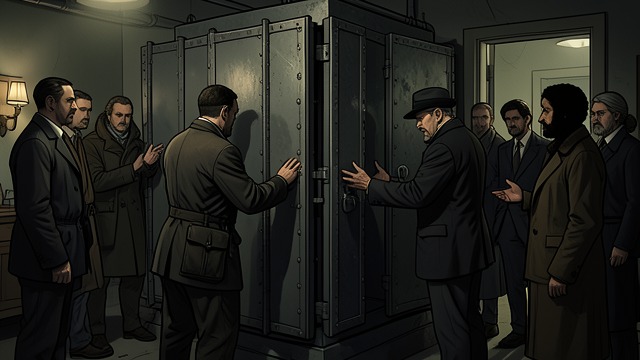
A Network Dismantled
The trail reaches Harlem
Kareem Shaw cooperated and helped identify Matthew Santiago, known as Mack, through a documentary and recorded exchanges. Investigators followed payment records to locate Santiago and connect him to the heroin supply.
Sentences without closure
Dozens of people faced state or federal charges, including major distributors and dependent user-dealers. Ronnie Jones received a lengthy sentence, but the investigation could not prove a direct link between the ring and Jesse Bolstridge’s death.
The case cut into the supply network without stopping heroin use. As the book’s investigators and families recognized, arresting key dealers did not make the larger crisis disappear.
Late 2012, when heroin rapidly expanded in Woodstock
Late 2012–early 2013, as investigators traced the supply chain
March 2013, when Devon Gray fled a traffic stop
June 2013, when officers arrested Ronnie Jones
2013–2015, as the investigation led to prosecutions
