
The Community Response
DopesickThis thread traces how families, health workers, volunteers, and local institutions tried to connect people to care while confronting limited capacity and political barriers.
increasing Bearing strength in each event
 decreasing
Bearing strength in each eventdecreasingA Public Emergency

A Public Emergency
A formal acknowledgment
Virginia’s health commissioner declared the opioid crisis a public-health emergency and issued a standing order that broadened access to naloxone. The declaration recognized a toll already familiar to families and first responders.
Recognition is not treatment
Communities still faced shortages of treatment beds, limited medication access, and disagreements over how to respond. A policy announcement could not quickly repair the gaps that had developed over years.
The state’s action marked a shift toward public-health language, but its practical meaning depended on resources and implementation. People in crisis continued to need immediate, coordinated care.
The Hope Initiative
The Hope Initiative
Families build a bridge
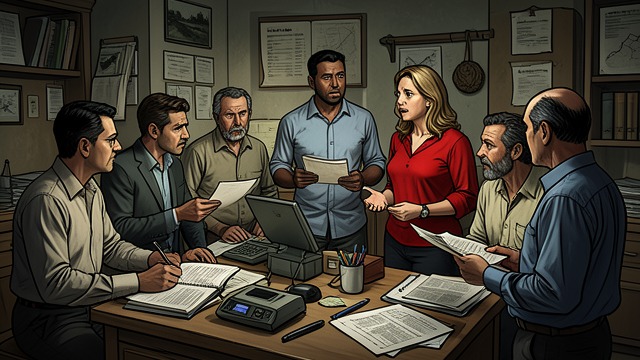
After losing Bobby Baylis to fentanyl, Janine Underwood joined a local effort to connect people with treatment. Jamie Waldrop, Cheri Hartman, and other volunteers helped users and families navigate providers, insurance, and admissions requirements.
A spreadsheet meets reality
The group compiled treatment options and offered practical help, but beds were scarce and facilities differed over medication-assisted treatment. Volunteers could make calls and accompany people, yet they could not create capacity the system lacked.
The program revealed both the power and the limits of community action. Families could bridge bureaucratic gaps, but the scale of the need exceeded volunteer labor.
A Crisis Handoff
A Crisis Handoff
A rare opening
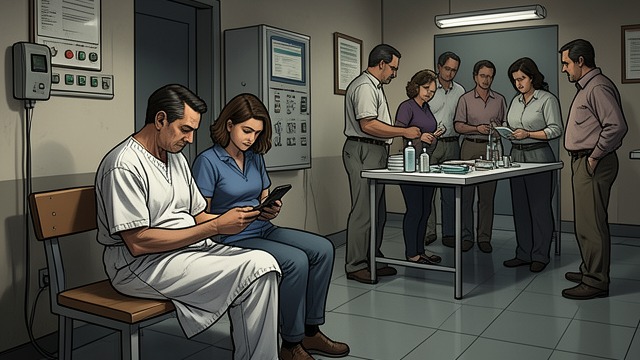
Janine Underwood helped a longtime heroin user move from an emergency department into detox. She offered comfort and coordination while his parents struggled to manage calls, decisions, and fear.
The liminal window
The patient’s willingness to accept care could change quickly. Volunteers worked to keep him in detox and arrange a transfer before withdrawal and cravings pulled him back toward the street.
The case showed how much success depended on timing, persistence, and personal intervention. A system that required families to act like professional case managers left many people without a workable path.
A Rural Clinic Partnership
A Rural Clinic Partnership
Building a coalition
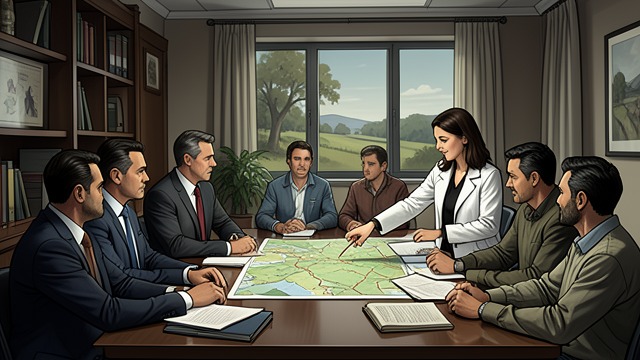
Robert Pack and Steve Loyd worked with a university, hospital, and state agency to develop Overmountain Recovery. Their approach combined medication, counseling, and other supports rather than treating addiction as a problem that could be solved by punishment alone.
Opposition and persuasion
Residents feared that a treatment clinic would bring danger to their community. Organizers held repeated meetings, brought in outside experience, and answered concerns before the clinic opened.
The project showed that cooperation could overcome some institutional and local resistance. Its design treated recovery as a sustained process that included relationships, work, and medical care.
A Continuing Struggle
A Continuing Struggle
Small gains, persistent need
Some people reached treatment through volunteer networks, clinics, and expanding naloxone access. Others remained on waiting lists or left programs that refused medication they needed.
Responsibility beyond volunteers
Rural health workers continued to serve uninsured patients, while families absorbed costs and emotional burdens. Advocates argued that communities needed sustained public investment, effective treatment, and opportunities for meaningful work.
The response had begun to change, but it remained uneven. The book ends with hope grounded in local commitment rather than confidence that the crisis had been solved.
Late 2016, when Virginia declared a public-health emergency
2015–2016, as Roanoke volunteers organized treatment referrals
Early 2017, during the Hope Initiative’s first treatment cases
2016–2017, as Overmountain Recovery took shape in Tennessee
Late 2017, as advocates assessed the limits of local efforts
