
Pain, Prescribing, and the Fifth Vital Sign
DopesickThis thread examines how efforts to relieve undertreated pain converged with promotional incentives and weak evidence to normalize opioid prescribing.
increasing Bearing strength in each event
 decreasing
Bearing strength in each eventdecreasingPain as a Priority

Pain as a Priority
Correcting neglect
Clinicians had good reason to address undertreated pain. Professional bodies and hospitals increasingly asked staff to assess pain systematically and respond to patients’ reports.
An uncertain measure
Pain scores made care easier to standardize, but a number could not reliably distinguish very different experiences or establish which treatment would improve function. The book questions how a useful concern became a metric with unintended effects.
The shift created a moral and institutional pressure to relieve pain. That pressure would interact with the arrival of a heavily promoted opioid.
A Marketing Fit

A Marketing Fit
The product meets the moment
Purdue Pharma presented OxyContin as a convenient solution for longer-lasting pain relief. Its campaign aligned with the expanding expectation that doctors should treat pain more aggressively.
Gifts and repetition
Sales representatives brought branded materials, meals, and other incentives to clinicians. Repetition of claims about low addiction risk made prescribing appear medically responsible even where long-term evidence was limited.
Commercial promotion and changing standards reinforced one another. The resulting culture made it harder for clinicians to separate patient need from corporate messaging.
The Meaning of Adequate Relief
The Meaning of Adequate Relief
A shifting goal
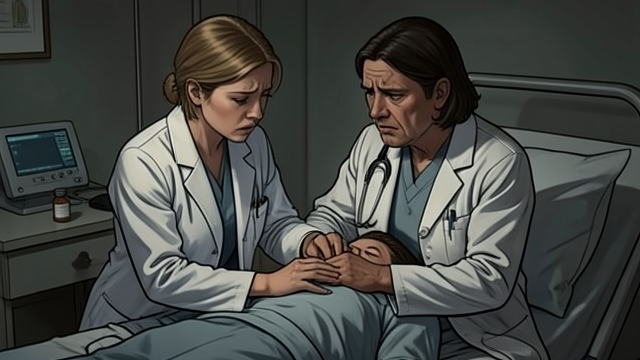
Some clinicians came to believe that zero pain was an appropriate target, while patients and hospitals were increasingly treated as consumers whose satisfaction mattered. Opioids could seem like the quickest route to a favorable score.
Consequences for care
Doctors later described how liberal prescribing could increase exposure without resolving the underlying problem. Some patients returned with dependence and other side effects, while clinicians had to confront the limits of what they had been taught.
The story does not dismiss pain relief as unimportant. It asks how medicine can care for pain without treating potent medication as the default answer.
The Pain Debate Reopens

The Pain Debate Reopens
A corrective guideline
The CDC issued voluntary guidance urging more caution in prescribing opioids for chronic pain. Some doctors responded by reducing prescriptions, while some patients with legitimate pain experienced abrupt or poorly managed changes in care.
Avoiding a new binary
The book presents addiction risk and untreated pain as real concerns, not mutually exclusive slogans. A careful response must preserve individualized treatment while acknowledging the harms of prolonged opioid exposure.
The debate exposed how difficult it is to correct an excess without creating another form of neglect. Better pain care requires more than either unrestricted access or indiscriminate refusal.
A More Careful Medicine
A More Careful Medicine
Risks on both sides
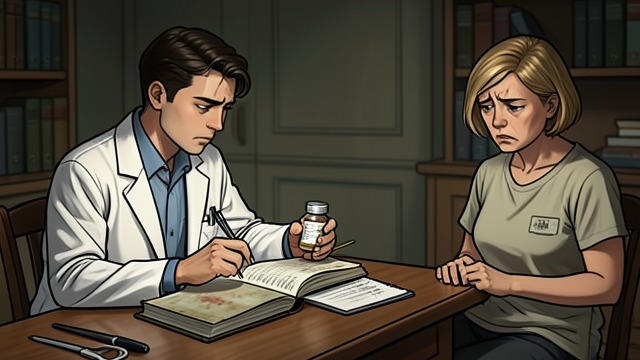
Some patients rely on opioid medication to function, while others developed dependence after treatment for ordinary injuries or surgery. The book resists reducing either group to a stereotype.
A duty to learn
Clinicians need education about pain, addiction, alternatives, and long-term monitoring. Institutions must support conversations about function and risk rather than reward quick prescribing alone.
The thread ends with a call for nuance. The challenge is to relieve suffering without repeating the unexamined confidence that helped produce the crisis.
Mid-1990s, as medical practice began elevating pain assessment
1996–2000, as Purdue expanded OxyContin promotion
Late 1990s–early 2000s, as doctors faced pressure to meet pain scores
2016–2017, after prescribing guidance prompted controversy
Near the book’s ending, as the author considers future pain care
