
Enforcement Versus Treatment
DopesickThis thread traces the tension between drug investigations that disrupt supply and the recognition that punishment alone cannot end addiction or restore communities.
increasing Bearing strength in each event
 decreasing
Bearing strength in each eventdecreasingThe First Police Alarm

The First Police Alarm
A new street drug
Richard Stallard heard that OxyContin was already being sold illegally soon after it reached local pharmacies. People had learned ways to defeat its coating and use the drug for a powerful high.
A clue without a system
Police observations and pharmacy concerns identified a danger early, but there was no coordinated public-health response ready to match the speed of misuse. Local officials struggled to make their reports matter beyond the region.
The first conflict was not only between police and dealers. It was between fast-moving harm and institutions that took time to recognize it.
Drug Supply Expands
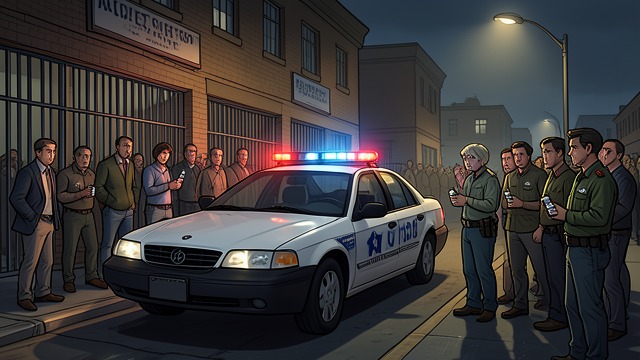
Drug Supply Expands
A new pattern of crime
Communities described pharmacy robberies, theft, fraud, and overcrowded jails. Many people committing these offenses were dependent on the pills and trying to avoid withdrawal.
Policy catches up slowly
The DEA developed a national action plan, and Purdue Pharma announced measures to address abuse. Yet the reforms did not remove the supply already circulating or provide adequate treatment to those already dependent.
The response made the conflict visible: enforcement could address diversion, but communities also needed medical care and prevention. Neither system alone could meet the full need.
The FUBI Investigation
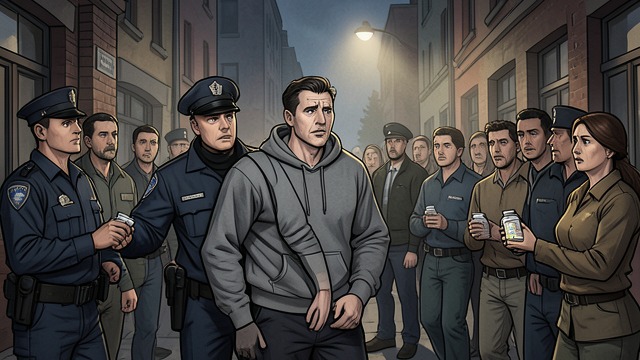
The FUBI Investigation
Targeting the supplier
Brent Lutz and Bill Metcalf built a case through surveillance, informants, and recorded transactions. Their objective was to reach bulk suppliers rather than arrest only the small-town sellers repeatedly replaced by the market.
Arrests and costs
The investigation dismantled a major network, but many people arrested were themselves dependent. The prosecution required substantial resources and still could not establish that the ring directly caused every overdose in the region.
The case demonstrated both the value and limits of focused enforcement. It could disrupt a network, but it could not treat the people whose dependence kept demand alive.
The Whac-A-Mole Market
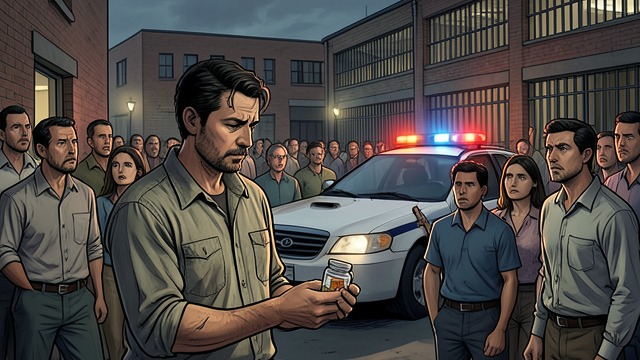
The Whac-A-Mole Market
Vacuums refill
After major dealers were arrested, other sellers appeared to meet continuing demand. Local investigators described a cycle in which a large seizure might disrupt supply briefly but rarely ended the market.
Dependence drives demand
For many user-dealers, selling drugs was not a path to wealth but a way to finance their own use and keep withdrawal away. Arresting them could intensify instability without creating treatment or employment.
The “Whac-A-Mole” image captures the mismatch between a repeating market and episodic police action. The conflict required responses that addressed both distribution and addiction.
A Wider Definition of Success

A Wider Definition of Success
Alternatives emerge
Some police programs began directing people toward treatment rather than jail, while drug courts and local coalitions debated whether to permit medication-assisted treatment. These approaches challenged the assumption that arrest was the main measure of public safety.
Structural barriers remain
Treatment beds, insurance, transportation, and stable work were often unavailable. Reformers argued that reducing imprisonment and investing in care could address both relapse and the conditions that sustain drug markets.
The book does not suggest that enforcement has no role. It argues that enforcement without health care, housing, and opportunity leaves the central conflict largely untouched.
1997, as Richard Stallard encountered street-level OxyContin sales
2000–2001, as crime and overdose followed OxyContin misuse
2012–2013, as investigators pursued Ronnie Jones’s network
2014–2016, as new dealers filled gaps left by arrests
2016–2017, as officials and advocates reconsidered policy
