
Sarah’s Drug Case and Its Retraction
Down Cemetery RoadThis subplot traces how a planted drug cache turns Sarah into a suspect, how pressure makes her falsely implicate Joe, and how she risks renewed scrutiny by withdrawing the statement.
increasing Bearing strength in each event
 decreasing
Bearing strength in each eventdecreasingA Suspicious Discovery
A Death Becomes a Drug Inquiry
The Police Interview
After finding Joe dead, Sarah calls the police and is questioned by Inspector Ruskin. She tries to conceal the extent of her connection to Joe, but the police discover her payments and challenge her account of having never met him.
Ruskin says the search of Joe’s office uncovered drugs and suggests that Joe supplied Ecstasy to Lizbeth Moss, a teenager who recently died. The allegation redirects attention from the suspicious death toward a narrative in which Joe is a dealer and Sarah is a customer.
The Cache at Home
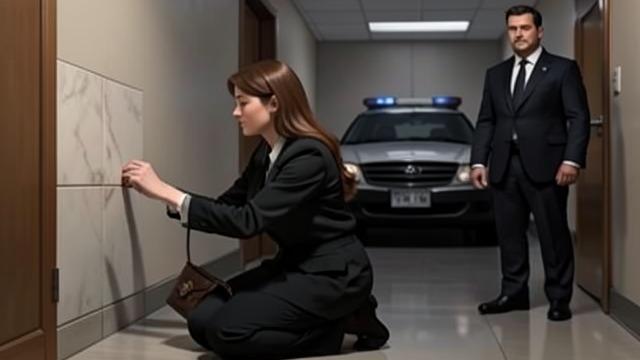
Police searching Sarah’s house find cocaine concealed behind a loose bathroom tile in a small purse she remembers using for charity donations. She does not know how the drugs came to be there, and the evidence appears designed to make her personal history look like proof of guilt.
Sarah is exhausted and frightened, with no reliable account of how to defend herself. The planted cache transforms her from an observer of the bombing and disappearance into a convenient suspect in a public drug case.
A Past Turned into Leverage
Student History Reopened
The Old Fall
Ruskin uses Sarah’s student history with drugs to undermine her credibility. Her memories return to an LSD experience that ended with her falling from a rooftop and suffering severe injuries, a past event she has long treated as a private catastrophe rather than a continuing identity.
The history is real, but it does not establish that she currently uses or sells drugs. In the interview, however, a remembered episode becomes a ready-made explanation for the cocaine found in her bathroom and the money recorded in Joe’s wallet.
A Narrative Built Around Her
The police link the seized cocaine to the recent death of Lizbeth Moss and press Sarah to explain her relationship with Joe. Their questions repeatedly return to drugs, making it difficult for her to keep the inquiry focused on the more threatening possibility that Joe was murdered.
Sarah’s confusion is intensified by exhaustion and shock. Her past is not merely recalled; it is recruited against her, giving the authorities a plausible account that requires less investigation than the one she is trying to tell.
The False Confession
A Statement Under Pressure
Simon Smith’s Advice
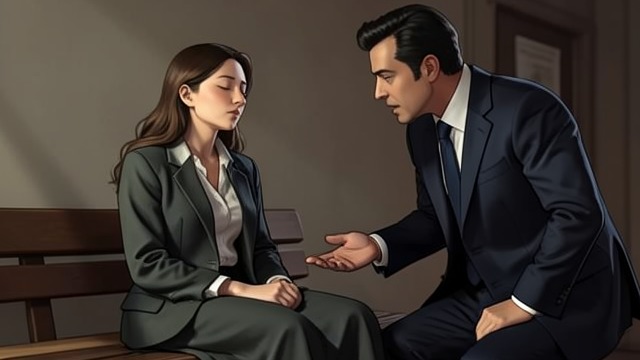
Mark brings Simon Smith to help Sarah after her arrest. Simon argues that the simplest way out is to admit that the cocaine was hers, claim Joe as its source, and present herself as a troubled user who can be directed toward treatment.
Sarah knows Joe did not sell her drugs, but Simon frames the false account as a practical bargain. He believes the police want a clear culprit in the wake of Lizbeth Moss’s death and that cooperation will keep Sarah from becoming the center of a more damaging prosecution.
The Damage of Compliance
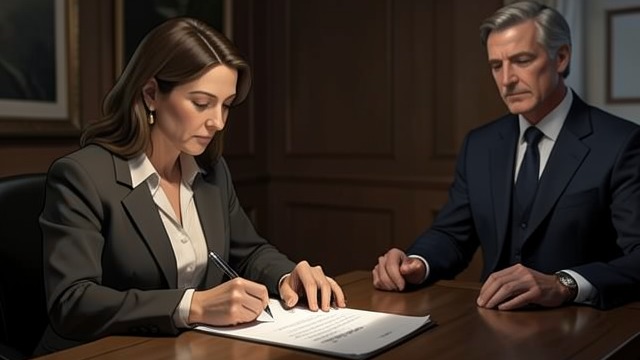
Sarah accepts the advice while numbed by medication and grief. She signs a statement claiming that she bought drugs from Joe, converting an official lie into a record that can be used against his reputation and against her own credibility.
Mark supports the arrangement because he trusts Simon’s professional judgment and wants the crisis contained. For Sarah, the statement is less a considered belief than an act of submission to a world in which other people keep telling her what she must do.
Zoë Names the Betrayal
A Witness Forces the Truth
The Confrontation
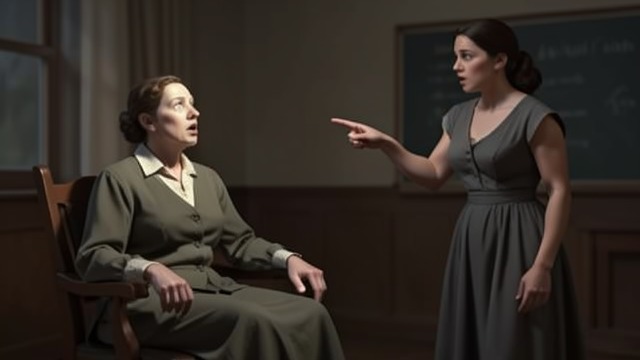
Zoë finds Sarah in a debilitated state and challenges her about the missing file, the drugs, and the statement accusing Joe. She recognizes that the pills belong to Mark and that Sarah has been made too passive to question the account being imposed on her.
Sarah struggles to explain who pressured her. Zoë’s direct questions cut through the fog: if Sarah did not kill Joe, then she has been pushed into damaging the reputation of the person who was trying to find Dinah.
A Demand for Retraction
Zoë insists that Sarah tell the police the statement was false. The demand is not a promise of safety; it is an insistence that danger does not justify letting a murderer’s frame-up become the accepted truth.
Sarah admits that she has not thought clearly and resolves to act. Zoë’s intervention turns shame into a specific task, allowing Sarah to recover a measure of agency without pretending that the consequences have disappeared.
The Retraction Call
Refusing the Official Version
A Direct Challenge
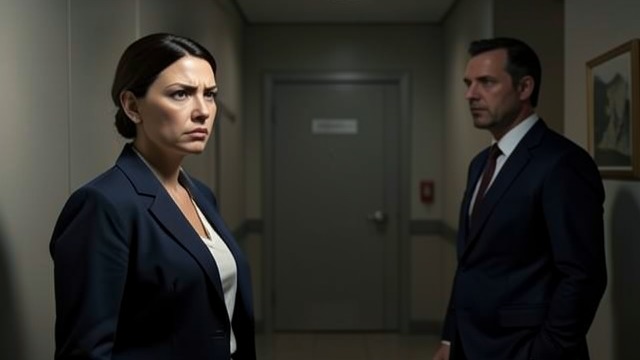
Sarah calls Inspector Ruskin and says her earlier statement was made under duress and was not true. Ruskin warns her about the implications of making a false statement and reminds her that other charges may still be brought.
Rather than retreat, Sarah tells him she will come to the station to give a fresh statement and threatens to call a press conference if the police do not respond. Her language is newly forceful, despite the fear she feels as soon as the call ends.
A Costly Return to Agency
The retraction does not immediately clear her name or restore the truth about Joe. It does, however, break the arrangement that had made her useful as a convenient culprit and forces the police to confront the unreliability of the account they accepted.
Sarah’s choice marks a small but decisive recovery from the medicated passivity surrounding her arrest. She cannot control the investigation, but she can refuse to keep repeating a story she knows is false.
The day Sarah finds Joe’s body
During the first police interrogation
The day after Sarah is released from custody
The morning Zoë finds Sarah at home
Later that afternoon
