Sarah's LSD-induced rooftop fall
Down Cemetery RoadSarah Trafford’s LSD-induced rooftop fall is a near-fatal episode in which an imagined flight gives way to bodily catastrophe. The scene turns on the gap between Sarah’s sense of freedom and the physical consequences of letting go: she survives the fall, but its injuries and recurring nightmares outlast the hallucination.
The Ascent and the Delusion
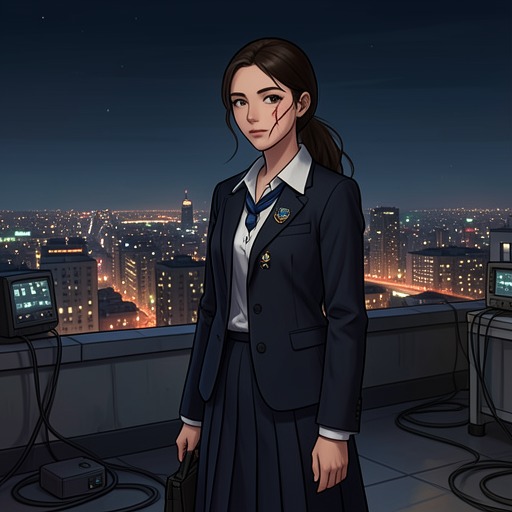
Sarah reaches a fire escape that runs down the side of the house, but instead of descending she climbs. The lights below seem like the lights of hell; as the ascent continues, they grow brighter, and the city becomes an undiscovered pole at the world’s centre. The iron structure rattles and shakes beneath her feet. This physical instability sits alongside a vision that makes the climb feel purposeful: at the top, Sarah finds a playpen that contains the whole world, its corners stretching into space.
In this imagined world, Jesus and the holy devil call to her from separate corners. For a moment Sarah believes that the world’s fate depends on her choice. That sense of solitary power collapses when the Other Sarah Tucker appears beside her, smiling with apparent benevolence. The world is snatched from Sarah’s hands, and the scene’s emotional balance shifts from limitless choice to the conviction that there is no way to stop what is coming.
The Fall
Sarah rushes toward the crooning deity. Because she believes she can float, she must cling to the railing with both hands to keep from blowing away. The people from the party reach the top only after it is too late to save her. The fantasy offers an image of release: Sarah remembers that the Other Sarah Tucker has never had the dream of wingless flight, and lets go with a sense of surrender. The city lights appear to cartwheel as though the landscape, rather than Sarah, is being pulled out of the picture. One by one, they wink out; with the last light, the imagined flight ends in pain and the discovery of what it takes to stay alive.
The contrast between the scene’s dream logic and its consequence is central to the event. In the delusion, letting go feels like release and submission to a truth that is inescapable but kind. Outside that vision, Sarah has fallen from a height and sustained severe injuries. The narrative does not turn survival into proof that the imagined flight was real: the bodily aftermath establishes the cost of that belief.
Injuries and Recovery
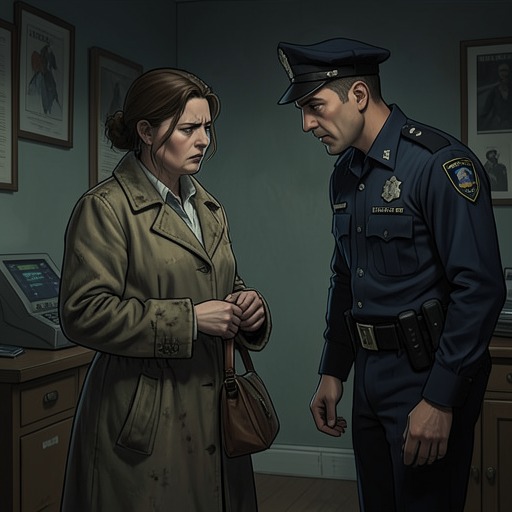
Afterward, Sarah is repeatedly told that she was lucky. She has broken three important bones and four minor ones, and narrowly missed iron railings that, by the laws of gravity and physics, might have impaled her. Her bruises make her look like a human reminder of the colours of the rainbow. Most fade, but a scar remains on her upper left arm, usually hidden from view. Doctors worry about possible hidden injuries, yet she appears to have suffered no brain damage.
A counsellor is assigned to address her drug abuse, though Sarah regards this as the least necessary part of her treatment. Her psychedelic period is already ending and, she believes, will be over once the bruises vanish. The fall also destroys her confidence in the supposed immortality drugs had given her: she recognises that their promise was temporary. Most importantly, she has convinced herself that she will never be able to fly. The injury is therefore both physical and a correction to the hallucinatory conviction that she could escape gravity.
The Fall’s Afterlife
The episode continues beyond Sarah’s recovery in the form of nightmares. Later, she never hits the ground in them. That repeated interruption leaves the fall suspended: the remembered event has an outcome in the body, but the nightmare withholds the moment of impact. The contrast makes survival inseparable from the experience of falling, rather than erasing it.
The scene’s movement from a playpen-sized world to an actual injury also gives its visions a stark reversal. Sarah first imagines herself as the sole person able to choose the world’s fate; then the Other Sarah Tucker takes that choice away, and Sarah’s belief in flight carries her toward a consequence she cannot control. The lasting scar, the end of her psychedelic period, and the nightmares mark different forms of aftermath: visible evidence, a changed understanding of the drug experience, and a recurring dream that stops short of the ground.