
Power and the Doctor's Role
Dr. DeathThis flow traces how characters use medical authority and claims of compassion to exercise control over life and death.
increasing Bearing strength in each event
 decreasing
Bearing strength in each eventdecreasingMate Watches Death
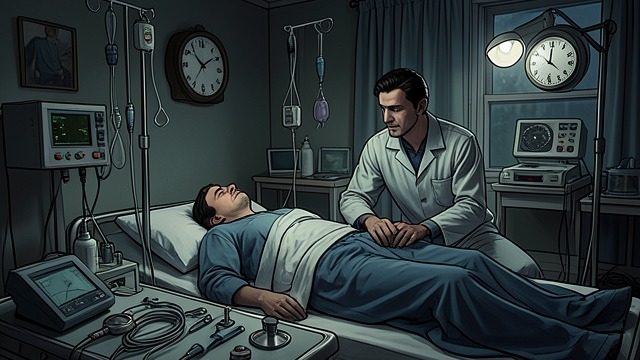
An Obsession with the Moment
The Lights-Out Idea
Mate writes about observing the bodily signs of death and naming a supposed lights-out syndrome.
Curiosity Before Compassion
His early interest centers on the mechanics of dying, complicating his later claims of mercy.
A Homemade Machine
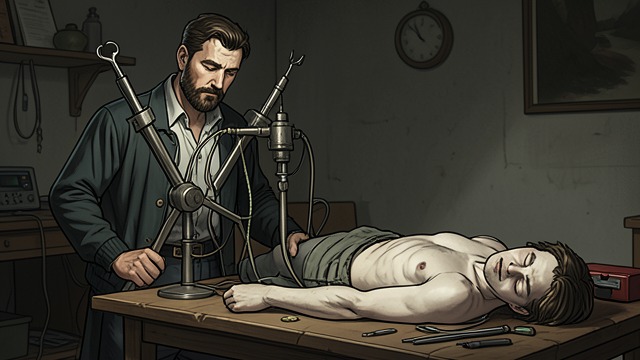
Technology and Authority
The Humanitron
Mate builds a crude apparatus to administer drugs and presents it as a reliable path to death.
A Doctor's Performance
The machine gives him control and spectacle despite his limited clinical practice.
The Killer Takes the Tools
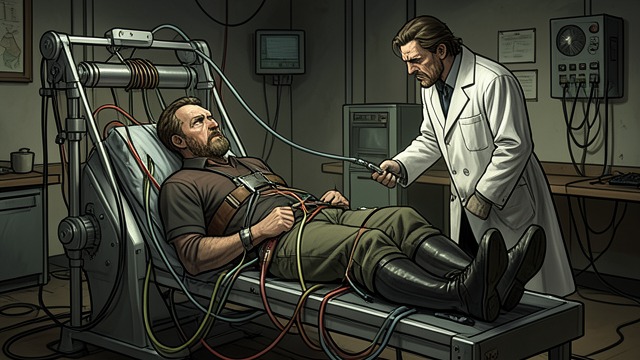
A Reversal of Roles
Mate Becomes the Patient
His killer stages him beside his own machine and turns his method against him.
Authority Reassigned
The violence declares that the killer, not Mate, will occupy the doctor's position.
Care as a Disguise
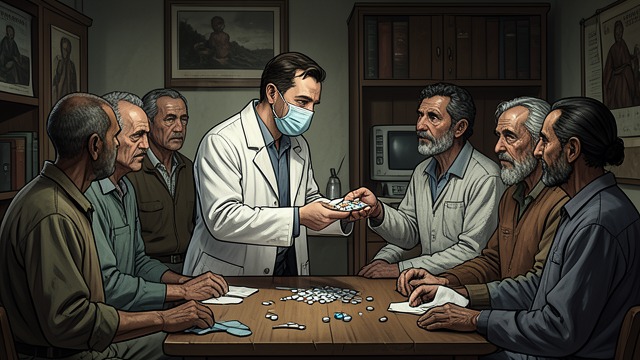
Help and Harm Intertwined
A Doctor's Access
Burke befriends ill patients and works in medical settings where treatment and death can be difficult to distinguish.
A Mask of Compassion
His apparent care gives him access to vulnerable people while concealing his desire for control.
The Claim of Succession
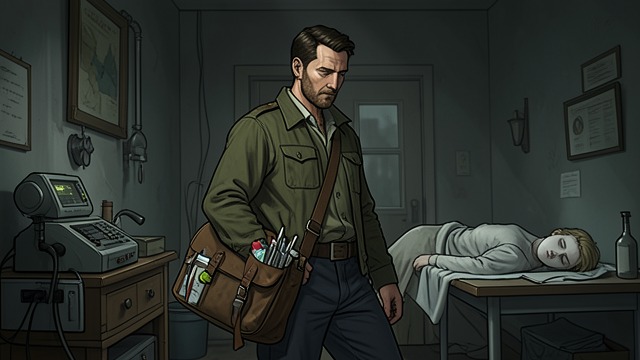
A New Doctor's Equipment
A Hidden Bag
Ulrich carries scalpels, drugs, and intravenous supplies associated with Mate's work.
The Same Dangerous Authority
His conduct shows that the language of mercy can become a cover for domination.
During Mate's early medical career
Before the first publicized assisted deaths
The night Mate is murdered
Across Burke's hospital history
At the end of the Malibu surveillance
