Donny Mate’s homelessness and estrangement
Dr. DeathDonny Mate’s homelessness is presented not as a confirmed living situation but as the painful appearance of a son who has withdrawn from his family and stayed away for two years. His mother remembers a bright student with an apparent future in science, then describes a dramatic change in his habits and appearance. When Milo Sturgis considers Donny as a possible suspect in Eldon Mate’s murder, that estrangement takes on investigative significance, but the possibility remains speculation rather than proof.
Promise and Decline
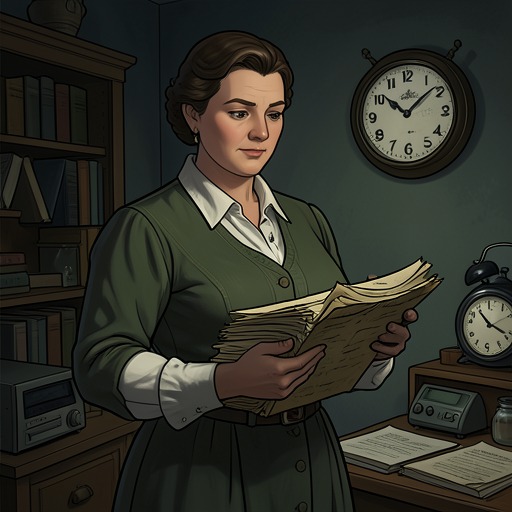
Donny’s mother recalls that he was “real smart, just like Eldon.” He attended San Francisco State for a year, earned good grades, and liked science. She had imagined that he might become a doctor, as Eldon had. Her account establishes a sharp contrast between the capable young man she remembers and the person she says he became; it does not explain what caused the change.
As she talks, she handles an extra pillow, fluffing and compressing it before punching it. The small, repetitive task accompanies her account of Donny’s absence. She says she does not know where he is, and that her friends at church attributed his change to drugs. She adds that she never saw him take any. The distinction matters: drug use is an explanation offered by others, not something she can confirm from her own experience.
A Home He Has Not Returned To
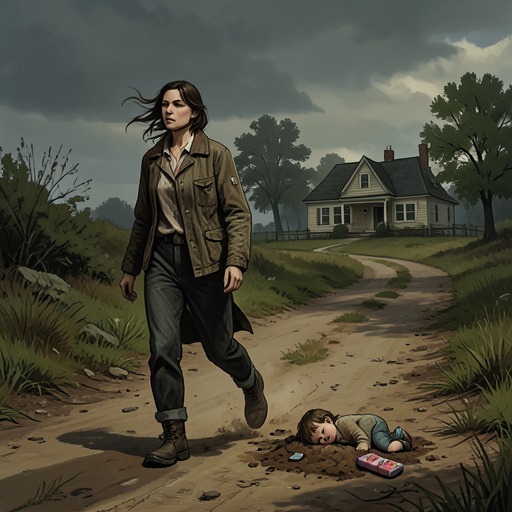
His mother describes Donny as having stopped caring for himself, grown his hair and beard long, and become filthy. To her, he looked like one of the homeless people, but she immediately separates that appearance from his circumstances: he has a home if he would come back. The account therefore identifies estrangement and neglect without establishing that he literally lives on the street. The home remains available in her telling; Donny’s absence is the fact that gives the image of homelessness its force.
Asked how long it has been since she saw him, she answers, “Two years.” Afterward, she leaves the room for the bathroom, returns saying she is tired, and asks where she can get dinner when she is ready to eat. The conversation ends not with a reunion or any new information about Donny’s whereabouts, but with the practical routine of arranging food. Her distress is visible in the scene, yet she also closes off further discussion by withdrawing and turning to the evening ahead.
Estrangement as an Investigative Possibility
Outside, Milo Sturgis calls the family situation anything but happy and considers Donny’s disappearance alongside the murder investigation. He describes Donny as a possible homeless man with mental problems, perhaps involved with drugs, then revises his earlier dismissal of the possibility that a street-dwelling man could matter to the case. These are Milo’s assessments, not established facts about Donny’s health, drug use, or residence.
Milo reasons that Donny’s intelligence might have persisted even if he had experienced a mental breakdown. He imagines that Eldon’s rejection could have produced a deep anger, perhaps intensified by Eldon’s growing fame, and speculates that Donny might have returned to take over the family business. He further proposes that Eldon could have arranged to meet him on Mulholland rather than at his apartment. Each step is conjectural: the scene supplies a possible motive and a possible meeting, not evidence that Donny returned, met Eldon, or killed him.
Significance and Unresolved Circumstances
The account makes Donny’s absence legible through other people’s descriptions: his mother remembers his earlier promise and reports his deterioration, while Milo converts those fragments into a suspect theory. The difference between what is witnessed and what is inferred remains central. His mother has not seen him for two years and cannot say where he is; neither her friends’ explanation nor Milo’s suspicion resolves what happened to him.
Donny’s estrangement thus enters the story as both a family loss and an investigative uncertainty. The fact that he has a home but has not returned sharpens that uncertainty: he is described as absent from family life, not conclusively identified as homeless. His possible anger toward Eldon gives the investigation a line to consider, while the evidence presented here stops short of turning that possibility into a finding.