
Kafuku's Life After Bereavement
Drive My CarThis flow traces how Kafuku continues to function after his wife's death while carrying an intimacy and grief that he cannot reproduce or resolve.
increasing Bearing strength in each event
 decreasing
Bearing strength in each eventdecreasingA Life Built Together
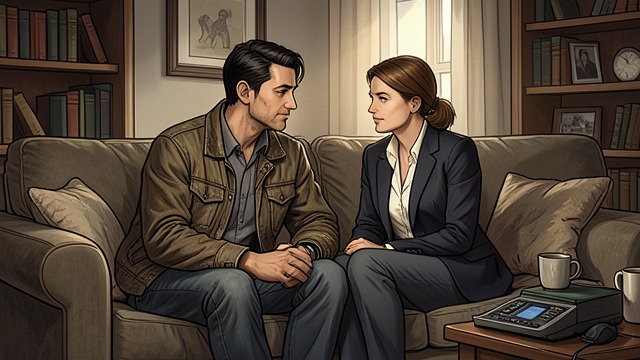
A Life Built Together
Affection and respect
Kafuku and his wife share nearly twenty years of marriage. He loves her deeply, respects her professional work, and considers her both a partner and a trusted friend.
Their different levels of acting success do not prevent a stable life together.
A remembered closeness
Kafuku recalls their relationship as spiritually and sexually fulfilling. He remains faithful, despite opportunities, because the desire to be with someone else never arises for him.
This memory explains why her later affairs are painful without reducing the marriage to betrayal alone.
Watching Her Decline
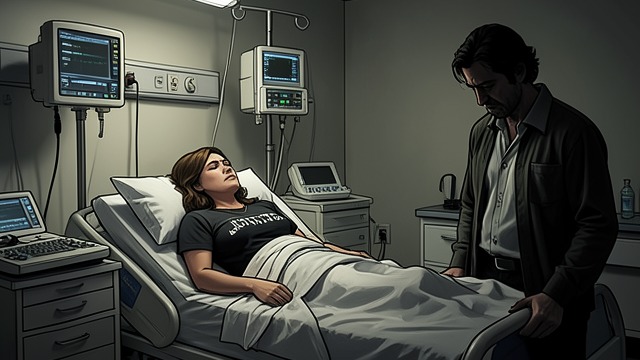
Watching Her Decline
Illness becomes real
Kafuku's wife is diagnosed with advanced uterine cancer and deteriorates rapidly. Kafuku watches the illness day by day, while Takatsuki is kept from seeing her and learns of the cancer only near the end.
The difference between their access to her marks a difference in their grief.
A closing world
As her condition worsens, Kafuku sets aside the questions he had wanted to ask. Her suffering makes him choose presence over confrontation.
That decision is compassionate, but it leaves the marriage's unanswered parts intact.
At the Crematorium
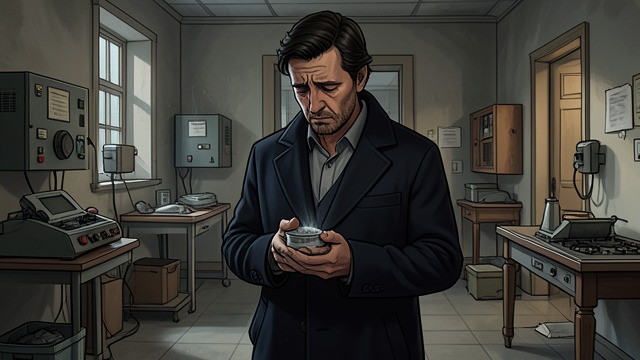
At the Crematorium
A final physical ritual
Kafuku attends the cremation and plucks his wife's bones from the ashes. The physical reality of death confronts him more directly than Takatsuki's later memories can.
Someone speaks near him, but he is too absorbed in his thoughts to hear.
Love after the body
The ritual does not end his attachment. It changes the form in which that attachment must continue, leaving him with memories and questions rather than a living conversation.
His later friendships are formed in the shadow of this final encounter with her remains.
New Intimacies Compared
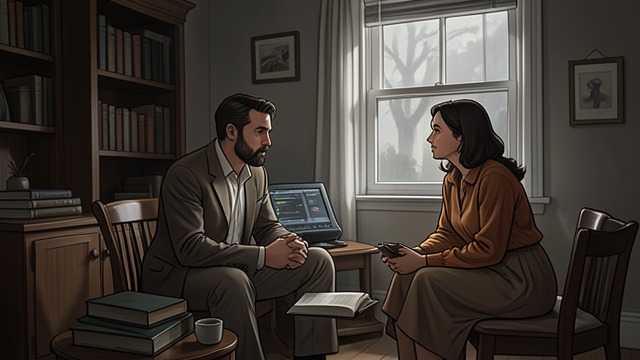
New Intimacies Compared
Attempts at a later life
After his wife's death, Kafuku meets several women and becomes intimate with them. He is capable of returning to relationships, but the encounters do not give him the same joy he remembers from his marriage.
Instead, he experiences something like a reenactment of an earlier scene.
A persistent measure
His memory of his wife remains the standard by which later intimacy is felt. This does not mean he stops living, but it does mean that new experiences arrive already compared with an absence.
The story portrays bereavement as something carried into the future rather than completed by it.
A Changed Passenger
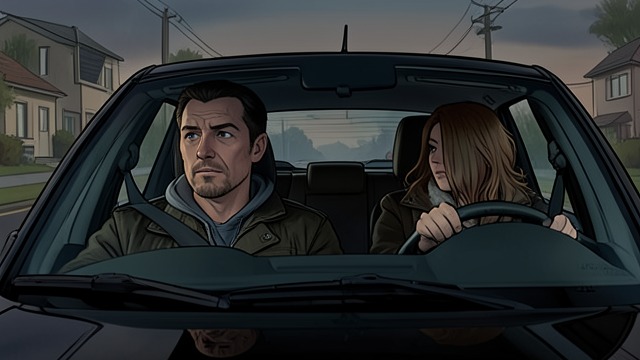
A Changed Passenger
Remembering in motion
Once Misaki takes the wheel, Kafuku finds himself thinking about his dead wife more often. The altered view from the passenger seat seems to reopen memories that had sat quietly within his driving routine.
The shift is practical, but also emotional: he must relinquish control and occupy a new position in his own car.
Speaking the old grief
In conversation, Kafuku tells Misaki about the affairs, Takatsuki, and his unfulfilled wish to understand his wife. His memories become words shared with another person rather than thoughts held alone.
The dialogue does not erase the loss, but it changes the conditions under which he carries it.
Across nearly twenty years of marriage
The final months of his wife's life
Immediately after his wife's death
The years after his wife's death
After Misaki begins driving him
