
Kafuku and Misaki's Quiet Bond
Drive My CarThis flow traces how a strictly practical employer-driver relationship becomes a restrained but meaningful exchange of attention and personal history.
increasing Bearing strength in each event
 decreasing
Bearing strength in each eventdecreasingA Formal Arrangement
A Formal Arrangement
Work before intimacy
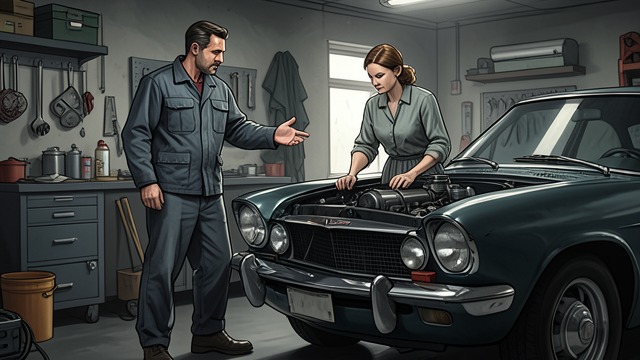
Kafuku meets Misaki at the garage because he needs a driver. She answers his questions tersely, asks for no elaborate résumé, and says she prefers a manual transmission.
Neither person begins by seeking friendship; the arrangement is defined by a car, schedule, and salary.
Mutual ease in silence
Kafuku is uneasy at first about being driven by a woman, while Misaki is not especially warm or talkative. Her excellent test drive makes the professional decision straightforward.
Their compatibility begins with practical competence and a shared comfort with quiet.
The Daily Silence

The Daily Silence
A dependable presence
Misaki takes Kafuku to work and waits while his schedule unfolds. She remains punctual, drives smoothly, and asks little of him beyond the information needed to do her job.
Kafuku cannot tell whether she likes him, dislikes him, or feels indifferent.
Comfort without disclosure
Her emotional reserve suits Kafuku's dislike of small talk. He can rehearse lines or watch the streets without managing another person's feelings.
At this stage, their closeness is expressed less through confession than through the ease of sharing a confined space.
Questions Offered Freely
Questions Offered Freely
Misaki initiates
Misaki asks Kafuku why he became an actor and whether he ever wanted not to return to himself. She also asks why he seems to have no friends.
The questions show that her silence is not simply lack of attention. She has been observing him and has chosen to speak when something genuinely interests her.
A more personal exchange
Kafuku answers about acting, marriage, and friendship, then tells her about Takatsuki. Their work relationship begins to hold subjects that neither schedule nor salary can explain.
Misaki's directness gives Kafuku permission to speak without ceremony.
Stories of Family Loss

Stories of Family Loss
Misaki shares her past
Misaki tells Kafuku about her mother's drinking and death, and about the father who left when she was eight. She also admits that her mother's repeated accusations hurt her and that she felt relief after the death.
Kafuku does not ask her to soften or justify the account.
Care without rescue
He quietly tells her she is not ugly, refusing to repeat her mother's judgment. Misaki accepts the reassurance without turning the conversation into an easy reconciliation.
The exchange creates a form of care based on listening rather than promises to fix the past.
Permission and Laughter

Permission and Laughter
Small rules relax
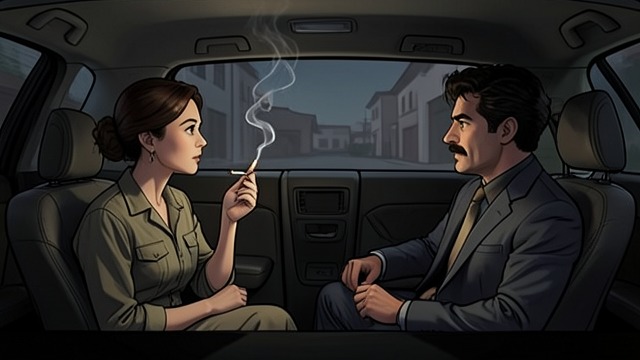
Kafuku tells Misaki she may light the cigarette she is holding, even though the roof is closed. Their work arrangement, once guided by strict practical boundaries, allows this small accommodation.
Misaki makes a dark joke about being alive, and Kafuku laughs for real.
A connection without labels
Misaki notices the laugh and says it is the first time she has seen him laugh. The moment makes her attention visible and Kafuku's ease newly recognizable.
Their relationship remains understated, but the shared silences now contain signs of trust.
Misaki's first meeting with Kafuku
The first weeks of regular driving
About two months into the job
During the traffic-jam conversation
During a later drive through traffic
