
Kafuku and His Wife's Intimate Memory
Drive My CarThis flow traces Kafuku's enduring attachment to his wife through remembered companionship, betrayed expectations, loss, and later acts of remembrance.
increasing Bearing strength in each event
 decreasing
Bearing strength in each eventdecreasingLove at Twenty-Nine
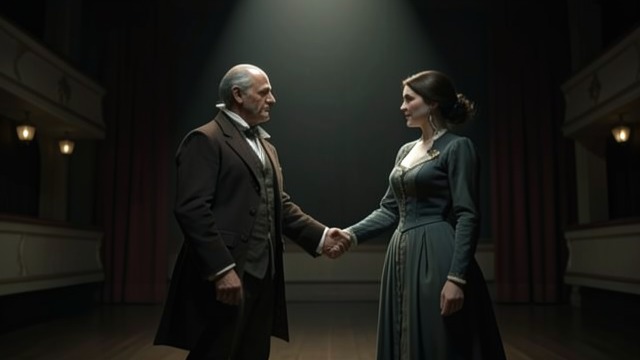
Love at Twenty-Nine
An immediate attachment
Kafuku falls deeply in love with his wife when they meet as actors. The feeling remains unchanged in his memory until her death two decades later.
He does not describe the relationship as a brief passion that marriage eventually dulls.
Respect beside desire
Their professional fortunes differ, but they respect each other's work. Kafuku never feels threatened by her greater success, and he regards them as compatible companions.
The later pain of betrayal is rooted in the depth of this attachment.
A Shared Private Language
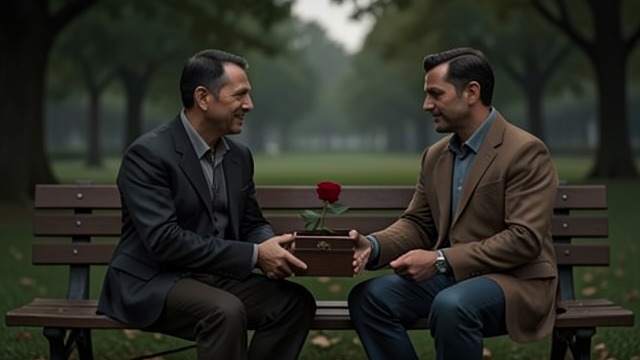
A Shared Private Language
Friends as well as spouses
Kafuku and his wife talk frankly about a wide range of subjects and believe they can trust each other. He considers them not only a couple but also close friends.
Their intimacy gives Kafuku a strong sense that he knows her.
Confidence becomes vulnerable
Because the bond feels so complete, her secret affairs later disturb more than sexual exclusivity. They raise the possibility that an important part of her inner life was never visible to him.
The remembered closeness and the hidden truth remain part of the same marriage.
Faithfulness and Betrayal
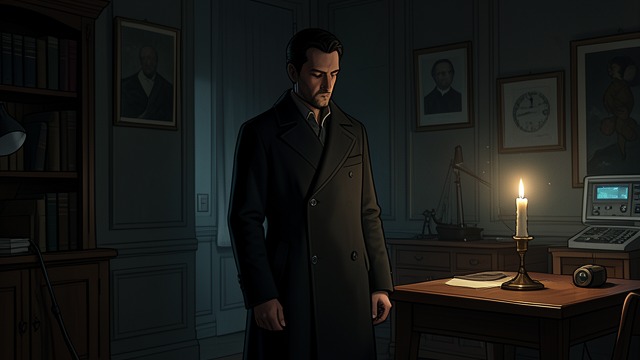
Faithfulness and Betrayal
Unequal knowledge
Kafuku believes his wife has four affairs while he remains faithful. He knows enough to be hurt but never asks her to confirm what he suspects.
He continues their shared life and works to keep his pain from becoming visible.
Love does not settle the question
His affection does not make the affairs inconsequential. Nor does their existence erase the years of tenderness he remembers.
Kafuku's attachment is therefore emotionally divided rather than replaced by simple resentment.
Grief at the Cremation
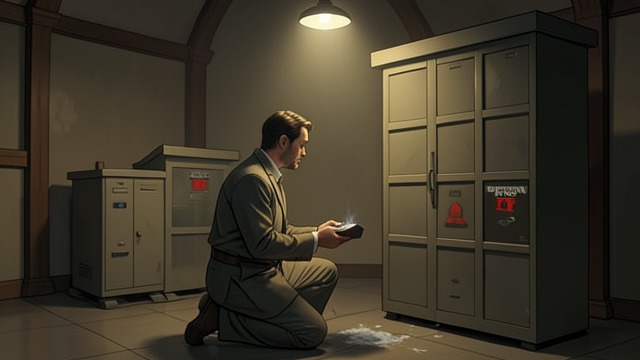
Grief at the Cremation
Bone and ash
Kafuku gathers his wife's bones from the ashes at the crematorium. The act gives physical form to the finality of her death.
He is so lost in his thoughts that he does not hear someone speak to him.
The beloved remains present
Her body is gone, but Kafuku continues to think about their shared life and the affairs he could not discuss with her. Love is not ended by the physical ritual.
The unresolved question becomes inseparable from grief.
Remembering Without Replacement

Remembering Without Replacement
Later intimacy falls short
Kafuku meets other women after his wife dies, but does not experience the same intimate joy he remembers. New encounters can feel like scenes replayed from the past.
The comparison reveals how firmly the marriage remains part of his emotional life.
Love carried forward
Kafuku's continued memory does not prevent him from working or forming new bonds. It means that the life he builds afterward begins from a loss that cannot be exchanged for something identical.
His attachment persists as memory rather than a claim on the living.
When Kafuku is twenty-nine
Across the early and middle years of marriage
During the years of his wife's affairs
On the day of his wife's cremation
In the years after her death
