
The Shared Wound of Family
Drive My CarThis flow connects Kafuku and Misaki through their separate experiences of family loss without treating those experiences as identical.
increasing Bearing strength in each event
 decreasing
Bearing strength in each eventdecreasingKafuku's Lost Daughter
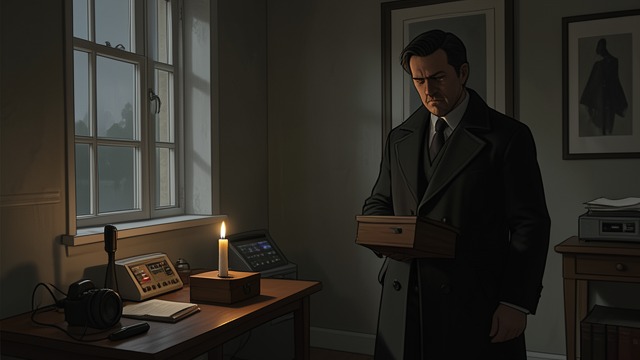
Kafuku's Lost Daughter
A family's first great loss
Kafuku and his wife lose their infant daughter after three days. The sudden death leaves both parents in a state they can barely put into words.
They eventually support each other, but the loss changes their shared life permanently.
A continuing bond
Kafuku continues to observe the child's birthday, imagining the adult she might have become. The daughter remains a private presence in his family history.
That continuing grief becomes one of the experiences he carries into later conversations.
Misaki's Family Breaks
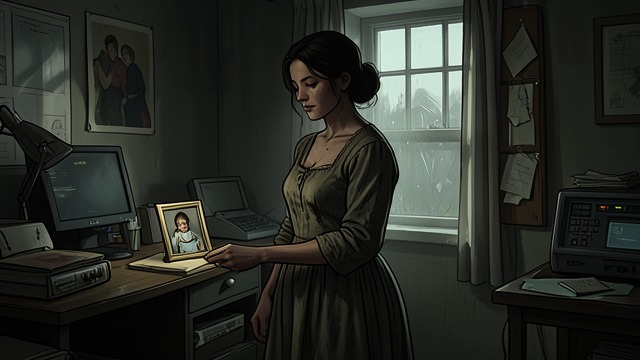
Misaki's Family Breaks
Abandonment and blame
Misaki's father disappears when she is eight, and her mother blames the child's appearance for his departure. Years later, the mother's drinking repeats that accusation and other hurtful words.
Misaki is made to carry responsibility for circumstances beyond her control.
A fatal ending
When Misaki is seventeen, her mother dies after drunk driving. Misaki later says she felt relieved, revealing the complicated history beneath the loss.
Her experience is distinct from Kafuku's, but both know that grief can coexist with unresolved feelings.
Listening Without Comparison
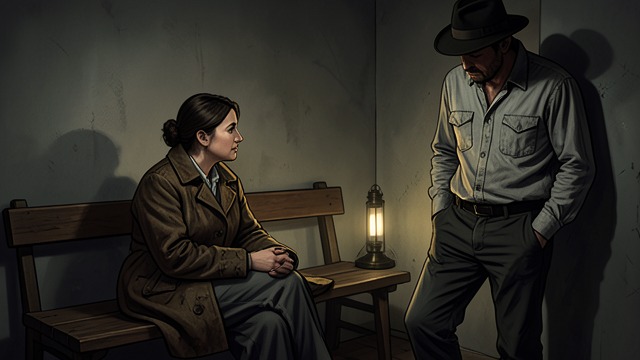
Listening Without Comparison
Two histories disclosed
Misaki tells Kafuku about her parents, while Kafuku shares the death of his wife, the infant loss, and the affairs that continue to trouble him.
Neither story is presented as a contest over who has suffered more.
The value of being heard
Kafuku offers Misaki reassurance without denying what she has experienced. Misaki, in turn, listens as Kafuku admits motives and feelings he has not usually voiced.
Their bond grows through attention to each other's particular histories rather than through easy equivalence.
Different Ways of Surviving
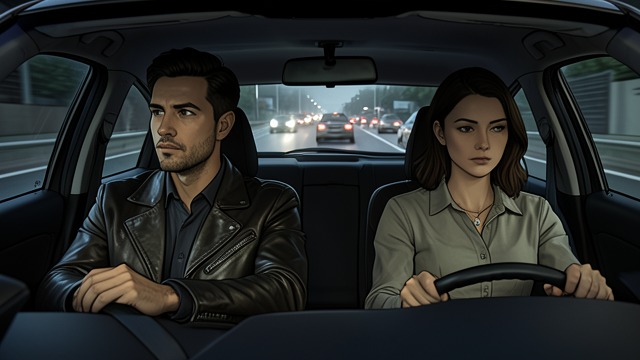
Different Ways of Surviving
Work and discipline
After the infant's death, Kafuku and his wife throw themselves into acting. Misaki survives through temporary jobs, practical skill, and a guarded independence.
Their responses are not the same, but both find structures that let daily life continue.
A shared ride
In the Saab, Kafuku rehearses lines while Misaki concentrates on traffic. The car holds two people whose private histories remain different but whose routines briefly overlap.
The arrangement provides companionship without requiring either to abandon the habits that have helped them endure.
A Quiet Kind of Kinship
A Quiet Kind of Kinship
Familiarity without possession
Kafuku and Misaki spend enough time together for her to recognize his loneliness and for him to hear the history behind her reserve. Neither makes a claim to complete knowledge of the other.
Their connection is grounded in work and conversation rather than a declared family role.
A limited, real comfort
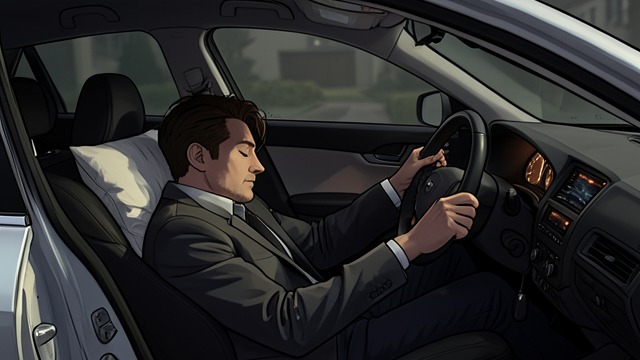
Kafuku can sleep beside Misaki's steady driving, and she can speak bluntly without being asked to perform cheerfulness. Those small forms of trust matter precisely because they do not solve either person's past.
The story leaves their relationship open, but shows that their shared time has changed its emotional texture.
Early in his marriage
From Misaki's childhood to age seventeen
During their conversations in the car
During the first months of Misaki's employment
Near the end of the narrated drives
